
Is Mowing Lawns For Money Illegal?
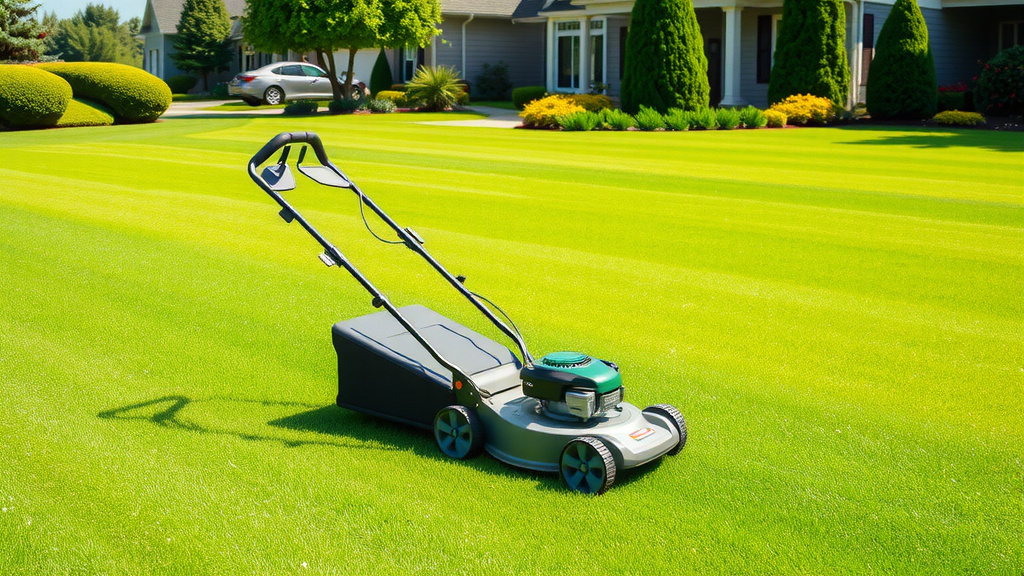
Mowing lawns for money is generally not illegal, but you might need to consider local business regulations and tax obligations depending on your scale and location.
Operating a lawn mowing business typically requires attention to permits, insurance, and proper tax reporting to stay on the right side of the law.
- Starting a lawn mowing service is usually legal if you follow local rules.
- You might need a business license or permit, especially if you work often.
- Always tell the tax authorities about the money you earn.
- Getting business insurance is a smart move to protect yourself.
- The rules change depending on if you are just helping a neighbor or running a full business.
Is Mowing Lawns For Money Illegal?
No, mowing lawns for money is not illegal in itself. You can certainly earn income by tidying up yards. However, the legal side pops up when you start to think of it as a business, even a small one.
There are rules and laws that govern how businesses operate, and your lawn mowing activities might fall under them. It is all about how seriously and regularly you plan to do it.
Understanding the Basics: Is it a Business?
Think about what you are doing. Are you just helping out a neighbor once in a while for a few bucks? Or are you actively advertising, taking on multiple clients, and making it a regular income source?
The difference between a casual helper and a business owner can be a bit blurry. The government usually defines a business by its regular activity and intent to make a profit.
The Casual Yard Helper vs. Professional
If you mow your grandma’s lawn and she slips you twenty dollars, that is probably not a business. You are doing a favor. But what if you post flyers, buy equipment, and serve five clients every week?
Then, you are likely operating a business. This distinction is important because it determines which rules apply to your work. Many experts say regularity and seeking profit are key indicators.
Licensing and Permits: What You Might Need
One of the first questions people ask is about licenses. Do you need one? The answer often depends on where you live.
Cities, counties, and even states have different requirements for small businesses. We found that some areas require a general business license, even for sole proprietors (SBA).
Local Ordinances and Your Lawn Business
Beyond general business licenses, look into local ordinances. These are rules specific to your town or county.
Some towns have noise restrictions on when you can operate loud machinery. Others might have rules about where you can store equipment or if you need a permit to work on certain properties. It is always wise to check with your local city hall or county clerk.
Insurance: Protecting Your Green Ventures
Running a lawn mowing business, no matter how small, comes with risks. What if you accidentally break a window with a stray rock?
Or what if someone trips over your equipment and gets hurt? Insurance is your safety net, protecting you from potentially costly problems.
Why General Liability is Your Best Friend
Many experts recommend general liability insurance for lawn care businesses. This type of insurance helps cover costs if you cause property damage or someone gets injured on the job (Insurance Information Institute).
It gives you peace of mind and shows your clients you are a responsible professional. It is an investment in your future and reputation.
Taxes, Taxes, Taxes: Uncle Sam Wants His Share
This is where things can get a bit more serious. Any money you earn, whether from a big corporation or a few lawns, is generally considered taxable income.
The Internal Revenue Service (IRS) expects you to report all your earnings. This might feel like a hassle, but it is a fundamental part of running any legal business.
Reporting Your Income
If you are a sole proprietor, you will typically report your lawn mowing income on Schedule C (Profit or Loss From Business) when you file your personal income tax return (IRS).
Keep good records of all your income and expenses. This helps you figure out your net profit and pay the correct amount of tax.
Business Structure: Solo Act or Something More?
How you set up your business can affect your legal and tax responsibilities. Most small lawn mowing operations start as a sole proprietorship.
This means you and your business are legally the same. Other options include LLCs, which offer more personal liability protection but also involve more paperwork.
Choosing Your Path Wisely
For many starting out, a sole proprietorship is the simplest option. It is easy to set up and manage. However, it also means your personal assets are not separated from your business debts.
We found that considering an LLC might be a good idea once your business grows and generates more income (SBA). Each structure has its own pros and cons to weigh.
Avoiding Legal Headaches: A Quick Checklist
Want to keep things smooth and legal? Follow these steps:
- Check with your local city or county for required business licenses.
- Research local ordinances regarding noise, operating hours, and permits.
- Get adequate business insurance, especially general liability coverage.
- Keep detailed records of all income and expenses for tax purposes.
- Report all your earnings to the tax authorities.
- Use clear, written agreements with clients for services and prices.
Here is a simple look at the differences you might encounter:
| Aspect | Casual Mowing (Helping Friends) | Professional Mowing (Business) |
|---|---|---|
| Frequency | Occasional, as needed | Regular, scheduled clients |
| Income Intent | Supplemental, informal help | Primary or significant income source |
| Licenses | Generally not needed | Often required locally |
| Insurance | Personal liability might cover small incidents | Business insurance highly recommended |
| Taxes | Informal reporting if very small | Formal income and expense reporting |
When to Seek Professional Advice
If you are feeling overwhelmed by all these details, do not worry. You do not have to figure it all out alone. Seeking advice from professionals can be a game-changer.
A local attorney or a small business advisor can help you understand the specific laws in your area. An accountant can guide you through tax obligations. It is always better to ask questions early than face problems later.
Conclusion
Mowing lawns for money is a fantastic way to earn income, enjoy the outdoors, and help your community. It is a rewarding service, and it is absolutely legal when done correctly. The key is understanding that once your casual yard work turns into a business, even a small one, there are rules to follow.
By checking local regulations, getting the right insurance, and reporting your income, you build a solid, legal foundation for your green business. Take these steps, and you will be mowing with confidence and without legal worries.
Do I Need a Business License for Occasional Mowing?
For truly occasional mowing, like helping a few neighbors a couple of times a year, you likely do not need a formal business license. However, if you start advertising, have regular clients, or aim to make significant income, even seasonally, many municipalities will consider it a business requiring a license. Always check with your local city or county clerk’s office for their specific thresholds and requirements.
What Kind of Insurance is Best for a Small Lawn Mowing Business?
For a small lawn mowing business, general liability insurance is often considered essential. This insurance helps protect you if you accidentally cause property damage (like breaking a window) or if someone gets injured on your client’s property while you are working. As your business grows, you might also consider equipment insurance or workers’ compensation if you hire employees.
Can I Mow Lawns for Cash Without Reporting It?
No, legally, all income earned from services, including mowing lawns for cash, should be reported to the Internal Revenue Service (IRS) in the United States. Even cash transactions are taxable income. Failing to report income can lead to penalties, fines, and interest charges. Keeping good records of all cash transactions is important for accurate tax filing.
Are There Age Restrictions for Mowing Lawns Professionally?
Age restrictions for mowing lawns professionally usually tie into child labor laws. While many teenagers start lawn mowing services, formal employment rules typically apply to those under 16 or 18. If you are operating as a self-employed individual and not an employee, the rules can be different. However, some local ordinances or insurance policies might have age limitations for operating certain equipment or entering contracts. It is smart for younger individuals to check local labor laws and discuss this with a parent or guardian.
How Do I Set My Mowing Prices Legally?
Setting your mowing prices is generally up to you as a business owner. There are no specific laws dictating how much you can charge. However, you should ensure your pricing is clear and transparent with clients to avoid disputes. Providing written estimates or contracts is a good practice. Researching what other lawn care businesses in your area charge can help you set competitive and fair rates.
