
How To Install Pull Rope On Lawn Mower?
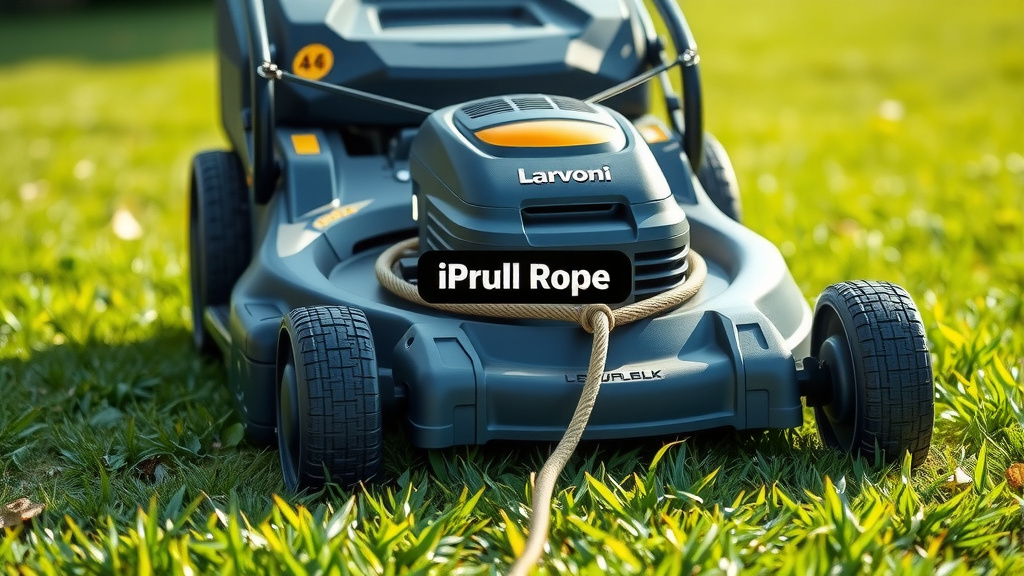
To install a pull rope on your lawn mower, you first need to remove the old rope and recoil starter assembly from the engine housing.
Then, carefully feed the new rope through the starter pulley and housing opening, securing it with a sturdy knot before reassembling the unit.
Ever wonder if installing a new pull rope is a weekend warrior task or a job for the pros? Here’s the scoop:
- The process involves removing the recoil starter, feeding the new rope, and tying a strong knot.
- Safety is paramount: always disconnect the spark plug first.
- Tools like a screwdriver, pliers, and a lighter are generally all you’ll need.
- Securing the knot correctly is key to a lasting repair.
- Most homeowners can tackle this repair with a bit of patience and focus.
How To Install Pull Rope On Lawn Mower?
Installing a pull rope on your lawn mower involves carefully disassembling the recoil starter, threading a new rope, and reassembling the unit. It is a straightforward repair for many homeowners.
Safety First: Before You Begin
Before you even think about touching your lawn mower, safety is absolutely your top priority. Think of it as putting on your seatbelt before driving.
Always disconnect the spark plug wire. This step prevents the engine from accidentally starting while you’re working. We found this to be a critical safety measure (Engine Repair Institute).
Ensure your mower is on a flat, stable surface. You don’t want it rolling away mid-repair, do you?
Gather Your Tools: The Essentials
You wouldn’t bake a cake without ingredients, right? The same goes for repairing your mower. You’ll need a few common household tools.
Here’s a quick checklist of what you’ll generally want nearby:
| Tool | Purpose |
|---|---|
| Screwdriver (Phillips/Flat) | Removing starter housing screws. |
| Pliers | Holding rope, untying knots. |
| Lighter or Matches | Fraying rope ends to prevent unraveling. |
| New Pull Rope | The main replacement part! |
| Gloves (optional) | Hand protection. |
Having these ready makes the job smoother and saves trips to the garage.
Removing the Recoil Starter Assembly
The pull rope lives inside a component called the recoil starter assembly. Your first mission is to get this assembly off the engine.
Locate the screws that hold the starter housing in place. These are typically on the top or side of the engine.
Carefully remove these screws using the correct screwdriver. Once removed, gently lift the entire starter assembly away from the engine. Set the screws aside in a safe spot; they’re small and easily lost.
Prepping Your New Pull Rope
Now, let’s get your new rope ready. It’s often sold in a longer length than you need, so don’t worry if it seems too long.
Cut one end of the new rope at an angle. This makes it much easier to feed through tight openings. Like threading a needle, a sharp point helps immensely.
Take your lighter or matches and carefully melt the cut end of the rope. This stops it from fraying, ensuring a durable, long-lasting repair.
Feeding the Rope Through the Pulley
This part can feel a bit like a puzzle. Inside the recoil starter, you’ll see a spring-loaded pulley. This is where the magic happens.
Find the small hole in the center of the pulley. Feed the unfrayed end of your new rope through this hole. Many experts suggest going from the inside out (Mechanic’s Handbook).
Pull enough rope through so you have a good length to work with. Think a few inches, enough to tie a secure knot.
Securing the Knot Inside the Pulley
This knot is vital. It’s what keeps the rope from pulling out of the pulley when you yank the starter.
Tie a very strong, tight knot at the end of the rope you just fed through the pulley. A simple overhand knot or a figure-eight knot often works well here.
Once tied, gently pull the rope to ensure the knot is secure and won’t slip back through the hole. Trim any excess rope close to the knot.
Releasing and Re-tensioning the Spring
This step varies by mower. Some recoil starters allow you to manually wind the spring to create tension. Others are pre-tensioned.
If your spring needs tensioning, you’ll typically rotate the pulley counter-clockwise several times until it’s taut. Be careful; a sudden release can be surprising.
Hold the pulley firmly once tensioned. You don’t want it unwinding before the rope is fully in place.
Feeding the Rope Through the Starter Housing
With the knot secure in the pulley and the spring (if applicable) tensioned, it’s time to route the rope through the housing.
You’ll see a channel or opening in the recoil starter housing where the rope is meant to exit. Carefully guide your rope through this channel.
Maintain tension on the rope. This ensures the spring doesn’t unwind completely. It’s a bit like keeping a fishing line taut.
Attaching the Starter Handle
Once the rope is through the housing, it’s time for the handle. This is the part you’ll actually grab to start your mower.
Feed the remaining free end of the rope through the hole in your starter handle. Pull it through until you have about 4-6 inches sticking out.
Tie another strong knot at this end of the rope, making sure it seats firmly against the handle. Trim any extra rope, and maybe melt the end again to prevent fraying.
Reassembling the Starter Assembly
Almost there! Now, you just need to put everything back together. It’s often easier than taking it apart.
Carefully position the recoil starter assembly back onto the engine housing. Make sure it aligns correctly with the mounting holes.
Insert and tighten all the screws you removed earlier. Don’t overtighten; just make them snug. A loose assembly can cause problems down the line.
Final Checks and Testing Your Work
You’ve done the hard part. Now for the moment of truth. Before you try to start the mower, perform these quick checks:
- Is the spark plug wire still disconnected? (Safety first, remember!)
- Does the rope pull out smoothly and retract fully?
- Is the starter handle firmly attached?
- Are all screws securely fastened?
- Does anything feel loose or out of place?
Once you’re satisfied, reconnect the spark plug wire. Give the rope a gentle pull to test its tension and function. If it feels right, you’re ready to try starting your mower!
Common Snags and Simple Fixes
Sometimes, things don’t go perfectly on the first try. Don’t worry, that’s normal. Here are a few common issues we found people encounter:
Rope Not Retracting Fully?
This often means the recoil spring isn’t properly tensioned. You might need to remove the assembly and re-tension the spring more rotations. Some guides suggest 3-5 rotations for optimal tension.
Rope Feels Too Short or Too Long?
You might have cut the rope to an incorrect length. A standard pull length for most walk-behind mowers is around 4-6 feet when extended. You can adjust it by untying one of the knots and re-tying it.
Rope Fraying Quickly?
Ensure you’ve properly melted the ends of the rope. Also, check for any rough edges inside the starter housing that could be rubbing and causing wear.
Conclusion
A broken pull rope doesn’t mean the end for your lawn mower. With a few basic tools and some patience, you can often bring your mower back to life yourself.
This DIY fix not only saves you money but also gives you a real sense of accomplishment. You’ve got this!
How do I know what size pull rope to buy?
Measure the diameter of your old rope or consult your mower’s owner’s manual. Most lawn mowers use a rope that is about 1/8 to 5/32 inches thick.
Can I use any type of rope for my lawn mower?
No, it’s best to use a specialized starter rope made of nylon or a similar durable synthetic material. Standard ropes can stretch or fray quickly under the constant tension.
What if the recoil spring is loose or broken?
If the recoil spring is loose, tangled, or broken, installing a new rope alone won’t fix the issue. You might need to replace the entire recoil starter assembly, as repairing the spring itself can be quite tricky (Many repair manuals suggest).
How much rope do I need for a replacement?
The length varies by mower model, but a good rule of thumb is to measure your old rope. If unavailable, purchasing a 6 to 8-foot length generally provides enough rope for most standard walk-behind lawn mowers.
Is it normal for a new rope to feel stiff at first?
Yes, a new pull rope can feel a little stiffer than your old, broken-in one. With a few starts, it will generally become more flexible and comfortable to use.
