
How To Keep Lawn Mower Flap Open?
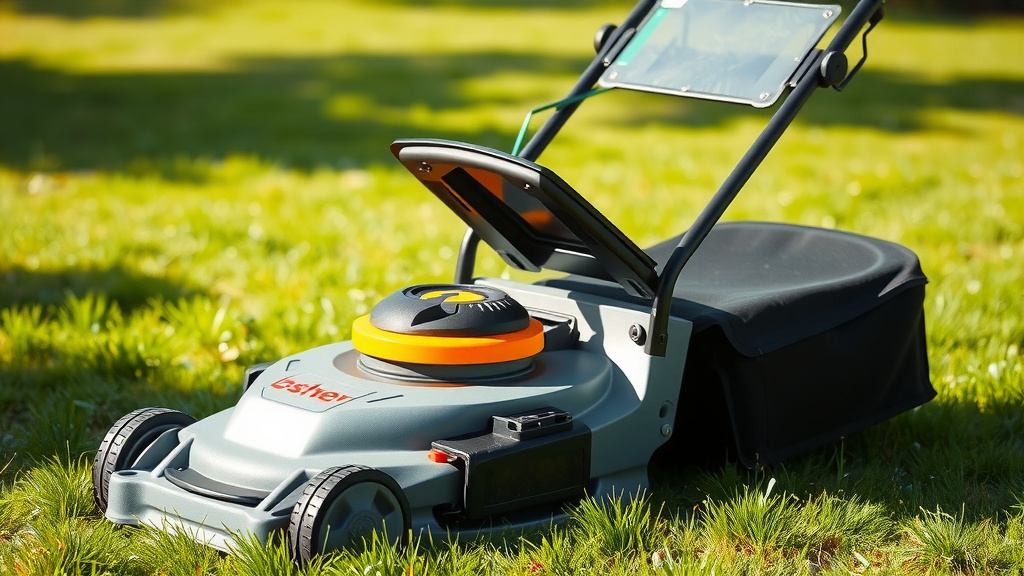
It is generally not advised to try and keep your lawn mower flap open manually for safety reasons and proper operation. This flap, also known as the deflector shield, protects you from flying debris.
For specific mowing needs, like attaching a bagger or side discharge chute, the flap is designed to interact with these accessories, ensuring clippings are directed correctly.
TL;DR:
- Safety first: Never force the deflector flap open unless you’re attaching an approved accessory.
- The flap acts as a critical safety shield, preventing hazards during mowing.
- It guides grass clippings efficiently for bagging, mulching, or side discharge.
- Common issues that hinder flap movement include grass buildup or damaged parts.
- Always consult your owner’s manual for correct usage and maintenance instructions.
How To Keep Lawn Mower Flap Open?
You generally should not try to keep your lawn mower flap open permanently. The flap is a safety shield designed to protect you from objects propelled by the blade, so it needs to function correctly.
Understanding Your Mower’s Flap: Safety First!
Imagine your lawn mower as a powerful machine, and its flap is like a shield. This little door, often spring-loaded, plays a big role in keeping you safe while you trim your lawn.
What Does the Flap Do?
The flap, or deflector shield, does a few important things. Primarily, it directs grass clippings away from your feet and face. It also stops small rocks or other debris from becoming dangerous projectiles (OSHA guidelines).
Why It’s Usually Closed
Most mowers have a flap that automatically closes when not in use. This design is for your protection. Many experts say that keeping it closed during regular mowing prevents accidental injury from thrown objects.
When is it Okay to Open the Flap (or Modify it)?
You might wonder why you’d ever want the flap open. Well, there are specific, manufacturer-approved reasons. These situations usually involve attaching accessories to your mower.
Bagging Attachments and the Flap
When you attach a grass bag, the flap is often designed to lift or stay open to allow clippings to enter the bag. The bag itself then acts as the primary safety guard, containing the grass.
Side Discharge Chutes and the Flap
Using a side discharge chute is another instance. This accessory attaches to the mower, holding the flap open to create a channel. This allows grass to be expelled neatly to the side, away from the cutting deck.
Common Problems Preventing Proper Flap Movement
Sometimes the flap doesn’t move as it should, making it hard to attach accessories or even mow. We found that a few culprits are often behind a sticky or immobile flap.
Grass and Debris Buildup
Over time, grass clippings and dirt can accumulate around the flap’s hinges. This buildup acts like glue, preventing the flap from opening or closing smoothly. It’s a very common issue.
Damaged Springs or Hinges
The flap typically has springs that help it snap shut. If these springs become rusty, bent, or broken, the flap won’t operate correctly. Similarly, damaged hinges can cause the flap to stick or wobble.
Worn-Out Components
Like any mechanical part, the flap’s components can wear out. The plastic or metal might become brittle, or the mounting points could weaken. This often leads to a flap that is loose or uncooperative.
Troubleshooting Steps for a Sticky Flap
Dealing with a stuck flap can be frustrating, but many issues are easy to fix. Here’s a quick checklist to get your flap moving freely again. Always remember to turn off your mower and remove the spark plug wire first.
- Clean thoroughly: Remove all grass and debris from around the flap.
- Lubricate hinges: Apply a silicone-based spray or light oil to the pivot points.
- Check springs: Inspect for rust, bends, or breaks, and replace if needed.
- Examine mounting: Make sure the flap’s attachment points are secure.
- Test movement: Gently move the flap to ensure it swings freely after cleaning.
Clean Around the Flap
The first step is often the simplest: a good cleaning. Use a stiff brush or scraper to remove all caked-on grass and dirt from the flap and its hinges. You might be surprised how much buildup can hide there.
Lubricate Moving Parts
Once clean, apply a suitable lubricant to the hinge points and any springs. A dry silicone spray works well for plastic parts, while a light machine oil is better for metal. This helps reduce friction and improves movement.
Inspect for Damage
Take a close look at the springs, hinges, and the flap itself. Are there any cracks, bends, or signs of severe rust? If a part is damaged, replacing it is often the best long-term solution (Consumer Reports).
Proper Maintenance for Your Mower Flap
Keeping your mower flap in good shape is part of overall mower care. Regular checks and cleaning will help it perform its job reliably. Think of it as a small task that yields big safety benefits.
Consider how different mowing tasks interact with your mower’s flap:
| Mowing Task | Flap State | Reasoning |
|---|---|---|
| Standard Mulching | Closed (with mulching plug) | Keeps clippings inside for finer shredding. |
| Grass Bagging | Open (by bag attachment) | Allows clippings to flow into the collection bag. |
| Side Discharge | Open (by chute attachment) | Directs clippings out through the side chute. |
| Rear Discharge (no bag) | Closed (partially deflecting) | Deflects clippings down and back, away from operator. |
Safety Considerations When Working with the Flap
Your personal safety is always the top priority when working on any power equipment. Before you inspect or adjust the flap, always remember these critical safety steps.
Always turn off the engine and disconnect the spark plug wire. This prevents accidental starting while your hands are near the blades. Using gloves is also a good idea to protect your hands from sharp edges or grime.
Conclusion
While the idea of keeping your lawn mower flap open might seem convenient for some, it’s usually not recommended for safety reasons. The flap is a vital component that shields you from potential hazards. Instead of forcing it open, focus on proper maintenance to ensure it operates correctly when needed for accessories like a bagger or side discharge chute. Regular cleaning and occasional lubrication will keep your flap – and you – safer in the long run.
What is the main purpose of a lawn mower flap?
The main purpose of a lawn mower flap, or deflector shield, is to protect the operator and bystanders from objects like rocks, sticks, or other debris that the spinning blade might throw. It also helps direct grass clippings.
Can I remove the deflector flap from my lawn mower?
Removing the deflector flap is strongly discouraged as it compromises your safety. Manufacturers design this part to protect you. Operating a mower without it significantly increases the risk of injury from flying objects.
Why is my lawn mower flap not closing properly?
A lawn mower flap that doesn’t close properly often has grass and dirt buildup around its hinges, preventing free movement. Damaged springs, worn hinges, or a bent flap itself can also be reasons for it not closing correctly.
Is it safe to mow with a broken deflector flap?
No, it is not safe to mow with a broken deflector flap. A damaged flap cannot effectively protect you from projectiles. It’s important to repair or replace a broken flap before using the mower again to maintain safety standards.
How often should I clean my lawn mower’s deflector flap area?
It’s a good practice to clean your lawn mower’s deflector flap area after every few uses or at least once a month, especially during peak mowing season. This prevents grass and debris from caking up and ensures smooth operation.
