Is A Lawn Mowing Business A Good Idea?
On this page (5 sections)
Yes, a lawn mowing business can be a very good idea for the right individual, offering a clear path to entrepreneurship with manageable initial investment.
Starting a lawn mowing business presents strong opportunities for profitability and consistent work, especially if you enjoy being outdoors and serving your local community.
- Low startup costs make entry accessible.
- Steady customer demand provides reliable work.
- Physical effort is a core requirement.
- Business offers good potential for growth and scalability.
- Success hinges on good planning and client service.
Is A Lawn Mowing Business A Good Idea?
Starting a lawn mowing business is often a solid idea, especially if you plan well and commit to quality service. Many entrepreneurs find success in this dependable industry.
The Allure of Green Growth: Why Consider This Business?
Dreaming of being your own boss? A lawn mowing business offers a clear path to independence. It lets you work outdoors, stay active, and build something for yourself.
Low Barrier to Entry
You don’t need a massive loan to start mowing lawns. Initial equipment costs are relatively low compared to other businesses. Many begin with just a mower, trimmer, and blower (Industry Reports).
Consistent Demand
Lawns keep growing, which means people always need help. This creates a steady stream of potential customers. From spring to fall, demand remains strong.
Scalability Potential
You can start small, perhaps just yourself, then grow. Adding more crew members or equipment allows you to take on more clients. This flexibility helps your business expand.
The Reality Check: What Challenges Will You Face?
While appealing, this business also comes with its own set of challenges. It’s smart to consider these upfront.
Physical Demands
Mowing lawns is hard work. You’ll spend hours on your feet, pushing heavy equipment in various weather conditions. Good physical fitness is a must.
Seasonal Work
For many areas, lawn mowing is a seasonal business. This means you need a plan for income during colder months. Some businesses branch into snow removal or holiday lighting.
Competition and Pricing
The market often has many lawn care providers. Standing out requires excellent service and smart pricing strategies. Research your local competitors thoroughly (Small Business Administration insights).
Getting Started: Your First Steps to Success
Ready to turn that idea into action? Here’s how to begin building your lawn mowing empire.
Essential Equipment: What You’ll Need
You don’t need everything at once. Start with the basics and upgrade as you grow. Think quality and reliability.
Your Basic Toolkit
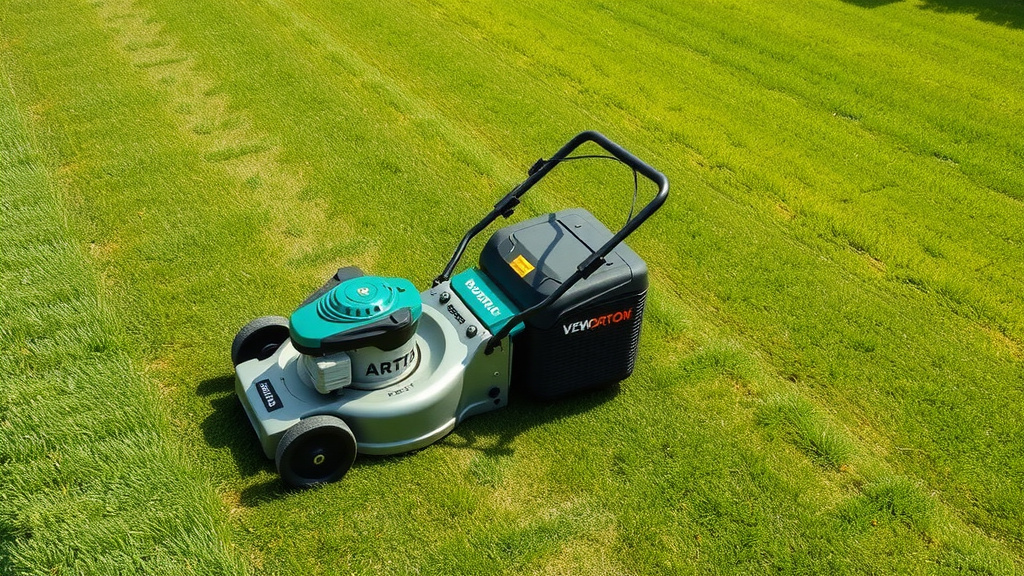
A good commercial-grade push or zero-turn mower is primary. You also need a string trimmer, a leaf blower, and safety gear. Don’t forget gas cans and oil.
Investing Smart
Consider buying used equipment initially if your budget is tight. Always check its condition thoroughly before purchasing. Proper maintenance extends the life of your tools significantly.
Building Your Client Base
Customers are the heart of any business. How will you find them? It’s simpler than you might think.
Local Marketing Magic
Start close to home. Distribute flyers in neighborhoods where you want to work. Use social media groups or local online forums. A simple website helps a lot.
Word-of-Mouth Power
Happy customers are your best advertising. Deliver exceptional service every time. Encourage clients to tell their friends and family about your work.
Business Models and Profitability
Not all lawn care businesses operate the same way. Choosing your model impacts how you grow and earn.
Residential vs. Commercial Clients
You can serve homeowners or larger businesses. Residential clients often mean more individual jobs. Commercial contracts, like for office parks, offer fewer but larger, more consistent jobs.
Pricing Your Services Fairly
Research suggests balancing your costs with market rates (Consumer Reports). Charge enough to cover expenses and make a profit. Don’t undersell your hard work.
Making It Official: Legal and Financial Bits
No one loves paperwork, but it’s vital for a smooth operation. Get these steps right from the start.
Licensing and Insurance Essentials
Check local regulations for any required business licenses. Liability insurance is not optional; it protects you and your business from accidents. Many experts say this is a critical safeguard (Insurance Information Institute).
Understanding Your Costs
Track everything you spend. This includes gas, equipment repairs, and marketing materials. Knowing your costs helps you set profitable prices.
Here’s a quick checklist before you launch:
- Secure essential equipment.
- Obtain necessary business licenses.
- Purchase liability insurance.
- Set up a basic pricing structure.
- Create a simple marketing plan.
- Define your target service area.
Choosing between residential and commercial clients affects your daily operations and growth strategy:
| Feature | Residential Clients | Commercial Clients |
|---|---|---|
| Job Size | Smaller, more frequent visits | Larger areas, less frequent bids |
| Pricing | Per job, often fixed rates | Contract-based, competitive bids |
| Marketing | Local flyers, word-of-mouth | Networking, formal proposals |
| Payment Reliability | Generally prompt, individual payments | Net 30-60 terms possible, larger payments |
| Growth Path | Adding more individual clients | Securing fewer, larger contracts |
Conclusion
A lawn mowing business offers a legitimate and often rewarding entrepreneurial path. It demands hard work and smart planning, but the rewards can be significant. If you love the outdoors, enjoy physical labor, and are ready to manage your own destiny, this could be your green light. Start with solid planning, deliver excellent service, and watch your business grow.
What is the average profit margin for a lawn mowing business?
The average profit margin for a lawn mowing business can vary widely, often ranging from 15% to 30% or even higher. It heavily depends on factors like pricing, efficiency, overhead costs, and the services offered.
How much does it cost to start a lawn mowing business?
You can start a lawn mowing business with a relatively low investment, sometimes as little as $1,000-$3,000 for basic, used equipment. For new, commercial-grade tools and a small trailer, costs might range from $5,000 to $15,000.
Is a lawn mowing business profitable in the winter?
In regions with cold winters, a traditional lawn mowing business is not profitable during that season. Many operators diversify into snow removal, holiday light installation, or other seasonal services to maintain income.
What skills are important for a successful lawn mowing business owner?
Key skills include strong physical stamina, good customer service, basic equipment maintenance knowledge, time management, and a grasp of local marketing. Business acumen, like pricing and budgeting, is also very important.
How do I find my first customers for a new lawn mowing business?
To find your first customers, focus on local neighborhood advertising through flyers, yard signs, and community social media groups. Offering an introductory discount or a referral program can also attract early clients and help build your reputation.