Can You Buy a Gas-Powered Robot Lawn Mower?
A gas-powered robot lawn mower is not a typical consumer option. Autonomous robot mowers generally use rechargeable batteries, while gas-powered remote-controlled machines need an operator to steer them.
On this page (7 sections)
- Is there a gas-powered robot lawn mower?
- How do autonomous robot mowers get power?
- How is a remote-controlled gas mower different?
- What should you buy if you want less mowing work?
- Can a robot lawn mower do other yard jobs?
- When does a gas mower make more sense?
- How should you choose between a robot and a remote-controlled mower?
A gas-powered robot lawn mower is not a typical consumer option. Autonomous robot mowers generally use rechargeable batteries, while gas-powered remote-controlled machines need an operator to steer them.
The word “robot” can describe two different things in lawn care: a mower that follows a programmed route on its own, or a machine controlled remotely by a person. If you want a mower that trims the lawn while you do something else, focus on autonomous battery models.
Is there a gas-powered robot lawn mower?
Most consumer robot lawn mowers run on rechargeable batteries, not gasoline. They move around a lawn using their navigation system, cut grass with small blades, and return to a charging setup when their battery needs power.
A gas-powered mower with remote control is not automatically a robot mower. Remote control changes how the operator steers the machine, but the operator still guides it instead of assigning it an autonomous mowing schedule.
If you are new to the category, What Is a Robot Lawn Mower? explains the basic design and how these machines differ from walk-behind mowers.
How do autonomous robot mowers get power?
Autonomous robot mowers typically use a rechargeable battery and a charging station. The mower cuts in repeated sessions, then returns to charge according to its design and operating setup.
That battery system is part of why a conventional gas engine is unusual in a consumer robot mower. Fuel adds weight and engine maintenance, while an autonomous mower needs to move around the lawn and recharge without an operator refueling it.
Robot models can differ in how they map or stay within a lawn. Some use a boundary wire, while others use different navigation methods, so check setup requirements for the specific model before buying.
What blades do robot lawn mowers use?
Robot mower blades are usually small cutting blades built for frequent trimming. They are not the same as the long rotary blade on many walk-behind gas mowers.
The cutting approach affects how often the mower needs to run and how it handles tall grass. See what blades robot lawn mowers use for more on blade design and cutting expectations.
How is a remote-controlled gas mower different?
A remote-controlled gas mower needs a person to operate it. The operator steers the machine from a distance, so it does not offer the same hands-off mowing as an autonomous robot.
Remote-controlled machines can suit specialized work where an operator wants distance from the mower. They are not interchangeable with a household robot mower simply because both can move without someone walking behind them.
Before choosing one, confirm what the machine can do on its own, what controls the operator must use, and what safety procedures apply. A manufacturer’s operating instructions should explain whether it follows a route autonomously or relies on continuous human control.
What should you buy if you want less mowing work?
Choose an autonomous battery robot mower if your priority is reducing routine manual mowing. If you are willing to mow yourself, a battery push mower or manual reel mower may be simpler alternatives.
The Greenworks 40V mower is a battery-powered walk-behind option, not a robot. It has a 16-inch class cutting width, a 4.0 Ah battery and charger, and a 5-position height adjustment.
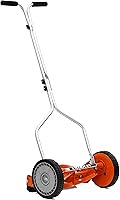
The American Lawn Mower Company 1204-14 is a manual reel mower for small lawns. Its 14-inch cutting width and 4-blade reel suit readers who prefer to push the mower and do not need motorized operation.
Neither mower is autonomous, so you still need to guide it across the lawn. For an autonomous model, compare its charging setup, lawn coverage, navigation method, and ability to handle the grass and terrain you have.
Can a robot lawn mower do other yard jobs?
A robot lawn mower is designed to cut grass, not to become a gas mower or a multi-purpose yard machine. Treat attachments and combination claims as specific product features that need clear manufacturer support.
A mower’s cutting blades also do not make it a replacement for a separate edger. If you are comparing the two jobs, see whether a robot lawn mower can replace a lawn edger.
Likewise, do not assume the mower can clear snow because it travels around the yard. The guide to a robot lawn mower and snow blower covers why those are different tools.
When does a gas mower make more sense?
A conventional gas mower may suit you if you prefer a walk-behind or riding mower and accept its manual operation. It is a separate choice from an autonomous robot mower.
Consider your lawn size, slopes, obstacles, storage space, and willingness to refuel and maintain an engine. If you want to avoid gasoline, a battery mower can be a practical walk-behind alternative, while a reel mower needs no motor at all.
The Maxpower 331981B is a replacement mulching blade for compatible 21-inch cut mowers. It is not a mower or robot accessory, so confirm mower compatibility before considering it.
How should you choose between a robot and a remote-controlled mower?
Pick an autonomous battery robot for scheduled, hands-off lawn cutting, and pick a remote-controlled gas mower only if you want to steer the machine yourself from a distance. A conventional walk-behind mower fits readers who prefer direct control.
Check the specific model’s navigation, cutting setup, charging or fuel needs, and terrain limits. The term “robot” alone does not tell you whether a mower works independently.
For most homeowners searching for a gas-powered robot lawn mower, the key decision is whether they want autonomy or simply remote control. If you want autonomy, shop for a battery-powered robot mower; if you are comfortable operating the mower, compare conventional mower types instead.
Frequently asked questions
Are robot lawn mowers gas powered?
Most consumer robot lawn mowers run on rechargeable batteries and return to a charging station when needed. A gas-powered remote-controlled mower is a different kind of machine: a person operates it, so it does not mow autonomously like a robot.
Do robotic lawn mowers need a boundary wire?
Some robot mowers use a boundary wire, while others use a different navigation setup. Check the model's instructions for its setup, lawn limits, and charging needs before buying, since these details vary by mower.
Can a remote-controlled gas mower mow by itself?
Remote control lets an operator steer a mower from a distance, but that alone does not make it autonomous. Unless a machine has a documented self-guided mowing system, plan to control it during operation and follow its safety instructions.
What should I buy instead of a gas-powered robot mower?
Choose a battery robot mower if you want autonomous mowing, or a conventional battery or manual mower if you are comfortable mowing yourself. Match the mower to your lawn size, terrain, cutting needs, and willingness to handle charging or manual work.