Can a Robot Lawn Mower Also Work as a Snow Blower?
Most robot lawn mower and snow blower setups are not one machine doing both jobs. You either swap a mowing deck for a snow attachment on a modular base, or you keep a mower for grass and a separate snow blower for winter.
On this page (9 sections)
- Can a robot lawn mower and snow blower be the same machine?
- How do modular mowing and snow clearing systems work?
- What attachment requirements should you check first?
- How does snow clearing differ from mowing in daily use?
- When does a modular robot lawn mower and snow blower make sense?
- When should you keep mowing and snow clearing separate?
- What if you want a simpler mower for most of the year?
- How much does a robot lawn mower and snow blower system cost?
- Which setup should you choose for a robot lawn mower and snow blower?
Most robot lawn mower and snow blower claims rest on a simple idea. One base unit handles summer mowing, and a swappable attachment handles winter snow.
That can work in the right climate and yard, but it is not the same as a standard robot mower moving snow on its own.
If you want the basic terms first, our guide to What Is a Robot Lawn Mower? explains boundaries, charging, and blades. Keep that picture in mind, then compare it with snow work.
Can a robot lawn mower and snow blower be the same machine?
Yes, but only when the maker designs it as a modular system. The base provides power, steering, and sensors.
The top section changes by season.
A mowing module uses a blade, a low deck, and a grass discharge path. A snow module adds an auger or plow blade, a chute, and higher side panels.
The swap may take minutes or may need tools, so check the exact steps before you buy.
Not every robot mower accepts a snow module. Many makers sell only mowing decks, and third party attachments often do not fit.
If the maker does not list a snow attachment for your model, treat the machine as mower only.
How do modular mowing and snow clearing systems work?
Modular systems share motors and batteries, but they change the front end for each job. The base stays the same, while the working head changes shape and purpose.
In mowing mode, the unit follows your boundary wire or map, cuts at a set height, and returns to charge. For a clearer check on blade types, see robot lawn mower with real blades.
In snow mode, boundary setup changes, because a snow path is a driveway, walkway, or patio, not a lawn. Some systems use a plow blade that pushes snow aside.
Others use an auger that throws snow to the side. Each method needs more torque than grass cutting.
Ask about attachment requirements before you compare prices. You may need a stronger battery, a winter tire set, a snow sensor kit, and a different charging spot.
The base price alone does not tell the full cost.
What attachment requirements should you check first?
Check fit, power, and controls for the exact model you plan to buy. A snow attachment that fits one base may not fit a newer or older version.
Confirm the mount type, the electrical connector, and whether the snow head needs its own motor. If it draws from the base battery, check run time in cold weather.
Cold reduces battery output, so a mower that runs all summer may clear less snow than you expect.
Check ground clearance and tire tread. Snow work needs grip on ice and packed snow, not just dry grass.
Also check turning radius, because a wide snow head can catch on steps, planters, and car tires.
Look for a clear snow depth limit from the maker. Light snow means a dusting to a few inches.
Wet, heavy snow needs more power and a slower pass. If the maker gives no limit, plan for light snow only.
How does snow clearing differ from mowing in daily use?
Snow is heavier, wetter, and less forgiving than grass. A mower can pass over the same lawn many times in a week.
A snow unit must clear the full path in one pass or the snow piles up.
Grass is cut and left in place or collected. Snow must be moved off the path and thrown clear of the edges.
A plow can leave a ridge at the end of each pass. An auger can throw snow back onto a cleaned area if wind or chute aim is wrong.
Wear and care also differ. Grass can dull a blade over a season.
Snow and ice can bend an auger, crack a chute, or stress gears in a single storm. Store each module clean and dry, and inspect bolts and belts when you swap heads.
That is why many owners use a robot for mowing and keep a simple blower for winter. The split is not a failure.
It is a match of tool to load.
When does a modular robot lawn mower and snow blower make sense?
It makes sense for small yards, light snow, and buyers who want one base to store. If your winters bring dustings and brief covers, a snow head may clear a short walk and patio with ease.
It also suits buyers who like a tidy garage. One base plus two heads takes less floor space than a mower plus a full blower.
If you already own a robot mower, adding the maker approved head may cost less than a second machine.
It works best when you can swap heads without lifting heavy parts alone. Check head weight and handle points.
A head you cannot lift safely will not get used, no matter how smart the base is.
If you plan light duty only, the same logic applies to edges. A robot lawn mower with edger helps where grass meets path, but snow still needs its own head or blower.
When should you keep mowing and snow clearing separate?
Keep them separate if snow is deep, wet, or frequent. A dedicated blower has a larger auger, a stronger motor, and a chute built for volume.
It will clear a driveway faster and with less strain.
Separate tools also help when you need both at once. Early spring can bring melting snow in the morning and grass to cut by afternoon.
Two machines let you run both jobs without a swap.
Size matters too. A wide snow head on a small base can feel tippy on slopes or curbs.
A separate blower lets you pick a size for your driveway, not a size that must also fit under a mower deck.
Cost is a factor as well. A modular base plus a snow head, winter battery, and extra parts can approach the price of a good mower and a good blower.
Compare total cost, not the base price alone.
Some buyers also prefer a gas powered robot lawn mower style setup for range. Even then, power source does not turn a mower into a snow blower.
The head and drive still need to match the snow load.
What if you want a simpler mower for most of the year?
A simple push or cordless mower still suits many yards where a robot is overkill. Small lawns, tight gates, and steep spots can favor a light walk behind mower.
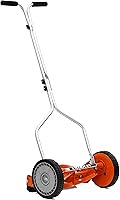
For a quiet manual option, this reel mower cuts with a scissor like action and weighs 19 lb. Its 14 inch width and 0.5 to 1.75 inch height range suit short, frequent cuts on small lawns.
For cordless ease, this 16 inch mower runs on a 40V 4.0 Ah battery and weighs 37.5 lb. It offers 5 height positions and mulching or rear bagging, which helps on yards up to about 1/3 acre on a full charge.
If you keep a walk behind mower, blade care matters. This 21 inch universal mulching blade fits 21 inch cut mowers and ships with a cover washer plus 6 reducing washers in sizes from 3/8 to 13/16 inch.
These tools do not clear snow. They show the other end of the choice.
If your snow is light and your lawn is small, simple tools for each job can cost less and store in less space.
How much does a robot lawn mower and snow blower system cost?
Budget for the base, the snow head, and winter parts together. A base price may exclude the module that makes snow work possible.
Use our guide to How Much Does a Robot Lawn Mower Cost? as a starting point for mower pricing. Then add the snow head, extra battery if needed, winter tires, and any sensor kit.
Also factor in storage and service. A modular system needs room for two heads and a safe place to swap them.
If you cannot lift a head alone, you may need help each season.
Compare that total with a robot mower plus a separate snow blower. The separate route may give you more power for less money, or it may take more space.
Your yard and snowfall decide which trade off fits.
Our list of the Best Robot Mower For Seniors can also help if lifting and swapping heads is a concern. Ease of use matters more when you change tools twice a year.
Which setup should you choose for a robot lawn mower and snow blower?
Choose a modular system for light snow and small paths, and choose separate tools for deep or wet snow. That rule keeps power matched to the load.
Pick modular if the maker lists a snow head for your exact base, states a snow depth limit, and shows a simple swap. Pick separate if your driveway is long, your snow is heavy, or you need quick clearing after storms.
Before you buy, write down your yard size, driveway length, typical snow depth, and storage space. Then check fit, battery, and head weight against those numbers.
That check turns a smart claim into a safe buy. A robot mower and snow blower combo is not magic.
It is a base, a head, and a clear limit on what each season asks of it.
Frequently asked questions
Can a robot lawn mower clear snow without an attachment?
No. A robot mower is built to cut grass with a low blade and to follow a set boundary.
It has no auger, chute, or throw distance for snow, and running it in snow can strain the drive and dull the blade.
Use a snow attachment or a separate blower.
What should I check before buying a modular robot lawn mower and snow blower system?
Check the base unit's drive power, ground clearance, battery size, and winter rating first. Then confirm the snow attachment fits that exact base, how it mounts, and what it costs.
Also confirm storage space, boundary setup for winter, and who services the unit locally.
Is a separate snow blower better than a mower with a snow attachment?
For deep or wet snow, a separate blower is usually better because it is built for heavy loads and longer clearing time. A mower attachment suits light, dry snow on small areas.
Choose based on your typical snowfall, driveway size, and how often you expect to clear more than a dusting.