
How Much Does a Zero-turn Mower Cost?
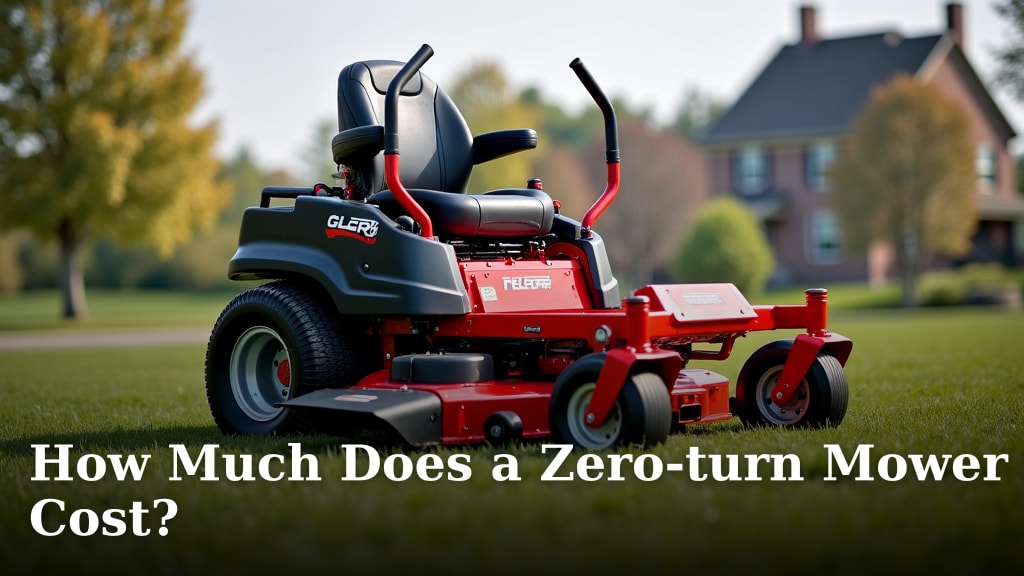
A zero-turn mower can cost anywhere from $2,500 to over $10,000, depending on the model and features. Most homeowners find a good option between $3,000 and $5,000 for a quality zero-turn mower.
The price you pay for a zero-turn mower really depends on your yard size and mowing needs. We found that bigger decks, stronger engines, and extra comfort features all drive the price up. Are you tackling a small suburban lawn or a large acreage?
- Residential zero-turns are typically $2,500 – $6,000.
- Commercial models can reach $7,000 – $15,000+.
- Engine size and deck width heavily influence cost.
- Features like suspension and comfortable seats add to the price.
- Don’t forget maintenance costs and potential attachments.
Let’s dive into the details so you can figure out the perfect zero-turn mower for your budget and needs. We’ll explore exactly what impacts the price of these popular machines.
Understanding Zero-Turn Mower Price Tags
The cost of a zero-turn mower isn’t just one number; it’s a range influenced by several key factors. Think of it like buying a car: you can get a basic sedan or a luxury SUV, and the price varies widely. For mowers, these factors include the mower’s intended use, engine power, deck size, and extra features that make mowing easier or more comfortable.
Residential vs. Commercial Zero-Turn Mowers
One of the biggest factors in pricing is whether a mower is built for home use or professional jobs. You’ll find a significant jump in price between these two categories. Residential mowers are designed for typical homeowners, while commercial mowers are built for heavy-duty, daily work.
Residential Zero-Turn Mower Costs
For most homeowners, a residential zero-turn mower is the right fit. These typically range from $2,500 to $6,000. This category is perfect if you have a yard between one-third of an acre and three acres. They offer good power and features for regular home use without the over-the-top durability of a commercial model.
We found that within this range, pricing reflects things like engine brand, deck material, and basic comfort additions. A smaller engine with a stamped deck will be on the lower end, while a larger engine with a fabricated deck pushes the price up.
Commercial Zero-Turn Mower Costs
If you’re a landscaper or have a very large property (think over three acres and daily use), you’re looking at commercial zero-turn mowers. These machines start around $7,000 and can easily exceed $15,000. Why such a difference? Commercial mowers are built for endurance.
They feature stronger frames, larger and more powerful engines, heavy-duty transmissions, and components designed to withstand constant abuse. Many experts say commercial models are an investment for businesses because of their longevity and ability to handle tough conditions (Mowzine).
Key Factors Influencing Zero-Turn Mower Prices
Beyond residential or commercial classification, several specific components and features directly impact how much you’ll pay. It’s like building blocks; each adds a certain cost to the total. Knowing these helps you decide what’s truly essential for your mowing needs.
Engine Size and Horsepower
The engine is the heart of your mower, and its size directly affects performance and price. You’ll often see engines measured in horsepower (HP) or cubic centimeters (cc). Generally, a larger engine means more power and a higher price tag.
- 18-22 HP: Common for residential mowers, good for up to 2-3 acres.
- 23-27 HP: Found in higher-end residential or entry-level commercial models, suitable for larger properties or tougher grass.
- 28+ HP: Typically reserved for commercial mowers tackling vast areas or demanding conditions.
Brands like Kohler, Kawasaki, and Briggs & Stratton are common engine manufacturers. Premium engines from these brands often cost more due to their reliability and performance features.
Cutting Deck Width and Construction
The cutting deck is the part of the mower that holds the blades. Its width determines how much grass you can cut in a single pass. A wider deck means fewer passes, saving you time. This is a major cost driver.
- 32-42 inches: Best for smaller yards or those with many obstacles. More maneuverable.
- 46-54 inches: The sweet spot for most residential properties (1-3 acres). Offers a good balance of speed and maneuverability.
- 60 inches and above: Primarily for very large properties or commercial use, designed for maximum efficiency.
Deck construction also matters. Stamped decks are made from a single sheet of metal and are generally less expensive. Fabricated decks are welded from multiple pieces of steel, making them stronger, more durable, and more expensive. Commercial mowers almost exclusively use fabricated decks.
Transmission Type and Quality
The transmission translates engine power into motion for the wheels. Zero-turn mowers use hydrostatic transmissions, which offer smooth speed and direction changes. The quality of the transmission affects durability and feel.
Higher-end mowers, especially commercial ones, feature more robust transmissions (often referred to as commercial-grade transaxles). These are built to handle heavier loads and last longer, contributing to a higher overall price.
Comfort and Convenience Features
Beyond the core mowing components, many features are designed to make your mowing experience better. These additions contribute to the final price tag but can be well worth it for comfort during long mowing sessions.
- Suspension Systems: Some high-end mowers have full suspension or seat suspension to absorb bumps, providing a much smoother ride. This is a game-changer on uneven terrain.
- High-Back Seats: More comfortable seats with armrests reduce fatigue.
- Digital Hour Meters: Help you keep track of maintenance schedules.
- Cup Holders and Storage: Small but appreciated conveniences.
- LED Headlights: Useful for early morning or late evening mowing.
Do you need all these bells and whistles? Only you can decide if the extra comfort justifies the additional cost. We found that features like suspension can add hundreds, sometimes thousands, to the price.
Budgeting Beyond the Purchase Price
When you’re looking at the cost of a zero-turn mower, it’s easy to just focus on the upfront purchase price. However, we encourage you to think about the bigger picture. There are other costs that come with owning one of these powerful machines.
Just like owning a car, there are ongoing expenses. Ignoring these can lead to surprises down the road. Consider these additional costs as part of your overall investment in a well-maintained lawn.
Maintenance and Repairs
All machinery needs care. Your zero-turn mower will require regular maintenance, including oil changes, air filter replacements, spark plug checks, and blade sharpening. These tasks can be done yourself or by a service professional.
Annual maintenance costs can range from $100-$300 for basic service, depending on who does the work and the parts needed. Also, unexpected repairs can pop up, like a flat tire or a broken belt. Factor in a small buffer for these possibilities.
Fuel Consumption
Zero-turn mowers, especially those with larger engines, consume a fair amount of fuel. The exact amount depends on your yard size, grass thickness, and engine efficiency. You’ll need to factor in the cost of gasoline for each mowing season.
Commercial mowers, running for many hours daily, will have significantly higher fuel costs than a residential mower used once a week. It’s a recurring expense to keep in mind.
Attachments and Accessories
Many zero-turn mowers can do more than just cut grass. You can often purchase attachments that extend their versatility. These aren’t included in the base price but can add functionality for things like snow removal, hauling, or dethatching.
Common attachments include baggers for collecting clippings ($300-$700), mulching kits ($100-$200), and sometimes even snow plows or tow-behind carts. Think about if you’ll need any of these when planning your total budget.
New vs. Used Zero-Turn Mowers
Just like cars, you have the option to buy new or used. Each has its pros and cons, especially when it comes to the price. Your budget and tolerance for potential issues will guide your decision.
The Appeal of a New Mower
Buying new means you get the latest technology, a full warranty, and the peace of mind that comes with knowing no one else has used it. You also often have more financing options available from dealers. The downside, of course, is the higher upfront cost. But for many, the reliability and support are worth it.
Considering a Used Mower
A used zero-turn mower can offer significant savings. You might find a high-quality machine for 30-50% less than its new price. However, used mowers come with risks. They might not have a warranty, or their components might be closer to the end of their lifespan.
If you’re considering a used model, we recommend a thorough inspection by a trusted mechanic. Check the engine hours, deck condition, and tire wear. Sometimes, a “deal” can quickly become more expensive if it needs major repairs soon after purchase.
A Quick Cost Comparison Chart
To help visualize the differences, here’s a simple comparison of what you might expect at different price points:
| Price Range | Typical Use | Engine HP | Deck Width (inches) | Key Features |
|---|---|---|---|---|
| $2,500 – $3,500 | Small Residential (0.3-1 acre) | 18-20 | 32-42 | Stamped deck, basic seat, limited features |
| $3,501 – $5,000 | Mid-Size Residential (1-2.5 acres) | 20-23 | 46-54 | Stamped/fabricated deck, improved seat, some comfort features |
| $5,001 – $7,000 | Large Residential (2.5-4 acres) | 23-26 | 54-60 | Fabricated deck, better transmission, premium seat, potential suspension |
| $7,001 – $10,000 | Light Commercial / Estate | 24-28 | 54-60+ | Commercial-grade components, heavy-duty frame, advanced suspension |
| $10,000+ | Full Commercial Use | 28+ | 60-72+ | Highest durability, powerful engines, advanced ergonomics, robust components |
This table gives you a general idea. Remember that prices can vary by brand and specific model year. Always compare exact specifications when making your decision.
Making Your Purchase Decision
Choosing the right zero-turn mower involves balancing your needs with your budget. It’s a significant investment, so taking your time to research is smart. Don’t rush into a purchase that might not be the best fit for your situation.
Think about how often you’ll use it and how much you value comfort and speed. Sometimes, spending a little more upfront saves you headaches and money in the long run.
Your Zero-Turn Mower Checklist
Before you commit to a purchase, ask yourself these questions:
- What is my exact lawn size?
- How many obstacles (trees, flowerbeds) do I have?
- How much time do I want to spend mowing?
- What’s my absolute maximum budget (including potential accessories)?
- Do I prefer a new mower with a warranty or a potentially cheaper used one?
- What’s the availability of parts and service in my area for specific brands?
Answering these questions will help narrow down your options considerably. We found that the clearer you are on your needs, the easier it is to find the perfect mower without overspending or underspending.
Conclusion
Choosing a zero-turn mower means balancing your lawn’s needs with your budget. We’ve seen that prices vary widely based on whether you need a residential or commercial model, the engine power, and deck size. Don’t forget about ongoing costs like maintenance and fuel.
By considering your specific requirements and using our checklist, you can confidently select a mower that offers the best value. Take your time, compare options, and invest in a machine that will serve you well for years to come.
Frequently Asked Questions
What’s the best time of year to buy a zero-turn mower for a good price?
We found that late fall and winter are often the best times to find deals on new zero-turn mowers. Dealers may offer discounts to clear out current year models before new inventory arrives. You might also find sales during early spring before peak mowing season.
Can I finance a zero-turn mower purchase?
Yes, many dealers offer financing options for new zero-turn mowers, often with competitive interest rates or special promotions. We recommend checking with multiple dealers and comparing their financing plans to find one that fits your budget.
Is it worth buying a zero-turn mower if I only have a small yard?
For very small yards (under half an acre), a zero-turn mower might be an overkill and a walk-behind mower could be more cost-effective. However, if you have many obstacles or want to significantly cut down mowing time, even a smaller zero-turn could be a worthwhile investment for its maneuverability and speed.
How much does it cost to replace the blades on a zero-turn mower?
The cost to replace blades can vary but typically ranges from $20 to $50 per blade, depending on the mower’s deck size and blade quality. We recommend regularly sharpening your blades to extend their life, which can be done for a much lower cost.
Are electric zero-turn mowers cheaper than gas models?
Generally, electric zero-turn mowers tend to have a higher upfront purchase price than comparable gas models. However, they can offer savings over time due to lower fuel and maintenance costs. We found that the long-term cost of ownership can be similar, depending on usage and electricity prices.
