
How Much Do Commercial Mowers Cost?
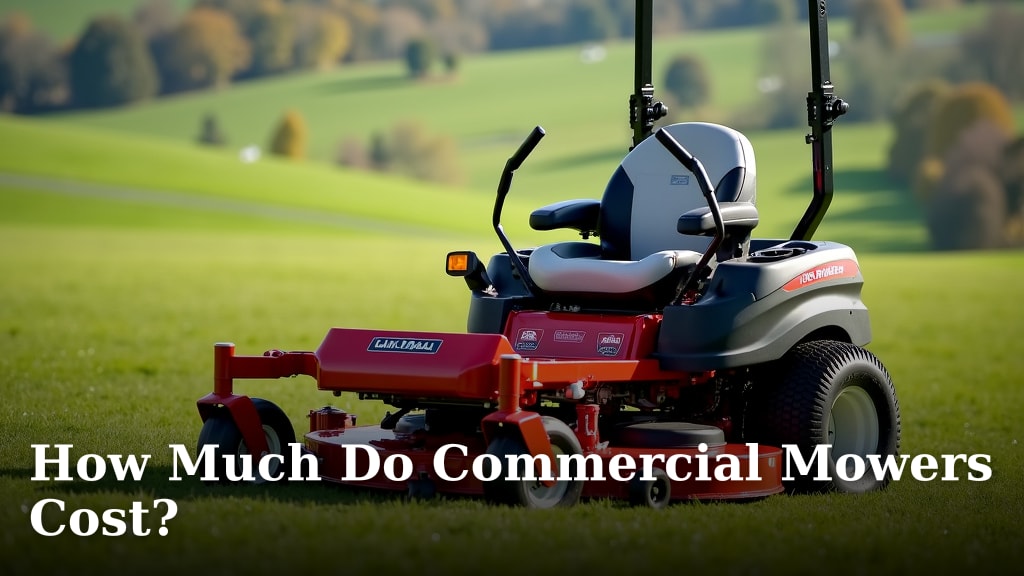
So, you’re wondering about the price tag on a commercial mower? You can expect to spend anywhere from $3,000 to $15,000 or even more. The cost really depends on the type, size, and features you need for your specific job.
Think of it as an investment in your business. A commercial mower is built tough for daily use, unlike a residential one. We’ve found that understanding the different models and what they offer upfront can save you a lot of headaches – and money – down the road.
- Commercial mowers range from $3,000 to $15,000+.
- Cost depends on mower type, size, and features.
- Commercial mowers are built for heavy, daily use.
- Understanding models prevents costly mistakes.
Let’s break down what goes into that price and help you find the right fit for your needs.
Understanding Commercial Mower Pricing Factors
So, you’re ready to dive into the cost of commercial mowers. It’s not a simple sticker price. Many factors play a role in where that number lands. We’ve researched this extensively, and the range can be quite wide. Let’s break down what makes one commercial mower cost more than another.
The Core Components: What You’re Actually Paying For
Think of a commercial mower like a professional tool. It needs to be robust and reliable. The engine is a huge part of the cost. More powerful engines mean higher prices. So do tougher transmissions and durable decks.
Engine Power and Quality
Commercial mowers often use gasoline engines with higher horsepower. These are built for sustained heavy use. Brands like Kawasaki and Kohler are common. They cost more upfront but offer better longevity and performance. Residential mowers typically have smaller engines that aren’t designed for this kind of work.
Deck Size and Material
The width of the cutting deck is a big driver of price. Wider decks mean you can cut more grass at once. This saves you time on larger properties. Decks are usually made from heavy-gauge steel. Thicker steel means a higher price but also more resistance to damage. You’ll see decks ranging from 30 inches to over 72 inches.
Transmission Systems
Commercial mowers usually have hydrostatic transmissions. These are smooth and efficient for varying speeds and terrain. They are more complex and expensive than the gear transmissions found in some residential models. Hydrostatic drives allow for precise control and easier operation, which is key for professional use.
Key Features That Impact the Bottom Line
Beyond the basic build, specific features can really push the price up. These are the extras that enhance performance, comfort, and efficiency. You need to decide if these are must-haves for your business or nice-to-haves.
Zero-Turn Capabilities
Zero-turn mowers are incredibly popular for their maneuverability. They can turn on a dime, reducing trimming time significantly. This feature comes with a higher cost due to the complex steering components. Many commercial landscapers swear by them for their efficiency.
Suspension Systems
To reduce operator fatigue on rough terrain, some high-end commercial mowers feature suspension systems. This could be on the deck, the wheels, or even the seat. This advanced technology adds to the overall cost but can greatly improve the operator’s comfort during long workdays.
Mulching and Bagging Options
While basic mulching is standard, advanced mulching systems and integrated bagging solutions can increase the price. Some mowers have specialized decks or attachments for better grass clipping management. The convenience of these systems often justifies the extra expense for professionals.
Ergonomics and Operator Comfort
Features like padded seats, adjustable armrests, cup holders, and intuitive control panels contribute to operator comfort. While seemingly minor, these aspects can improve productivity and reduce fatigue over long hours. High-end mowers invest more in these ergonomic designs.
Types of Commercial Mowers and Their Price Ranges
The kind of commercial mower you choose will directly affect its price. Each type is designed for specific tasks and terrains. We found that matching the mower type to your typical job is essential for getting the best value.
Walk-Behind Commercial Mowers
These are generally the most affordable commercial mowers. They are great for smaller to medium-sized properties, or areas with a lot of obstacles. You’ll often see them used by smaller landscaping businesses or for detailed work.
- Price Range: Typically $3,000 to $7,000.
- Best For: Gateways, tight spaces, hilly terrain where a rider isn’t practical.
- Considerations: Can be more physically demanding on the operator for larger areas.
Stand-On Commercial Mowers
Stand-on mowers offer a good balance of maneuverability and cutting speed. They provide a good view of the terrain and are easier to get on and off than rider mowers. Many professionals prefer them for their agility.
- Price Range: Generally $5,000 to $10,000.
- Best For: Medium to large properties, areas with obstacles, operators who need to get on and off frequently.
- Considerations: Can be less comfortable for extremely long hours compared to a zero-turn rider.
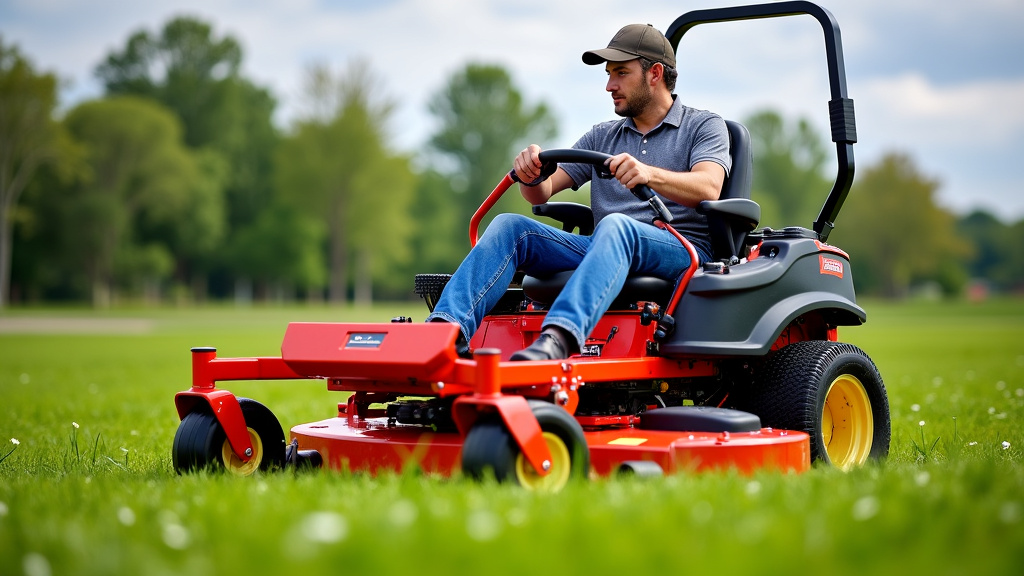
Zero-Turn Commercial Mowers (Riding)
These are the workhorses for many landscaping companies. They excel on large, open areas, cutting down mowing time significantly. The zero-turn radius is the key benefit here.
- Price Range: Typically $6,000 to $15,000+, depending on size and features.
- Best For: Large properties, open fields, commercial properties, golf courses.
- Considerations: Can struggle on very steep slopes without proper setup or specific models designed for hills.
Robotic Commercial Mowers
While still a developing market in some areas, robotic mowers are gaining traction. They offer automated, consistent mowing. The upfront cost is high, but they can reduce labor costs over time.
- Price Range: Can start around $7,000 and go upwards of $20,000 for larger, more sophisticated systems.
- Best For: Large, complex areas requiring constant maintenance, like sports fields or corporate campuses.
- Considerations: Requires professional installation and ongoing maintenance of the system.
Brands and Their Pricing Positions
Just like cars, mower brands have reputations and price points. Some brands are known for their entry-level durability, while others focus on premium features and top-tier performance.
We found that brands like Scag, Ferris, and Hustler often sit in the mid-to-high price range. They are known for robust construction and excellent cut quality. Toro and John Deere offer a wide range of models, from more accessible to professional-grade, also influencing their pricing.
Brands that focus on innovative features, like advanced suspension systems or specialized transmissions, will naturally command higher prices. It’s worth looking at reviews and talking to dealers to understand where each brand fits your budget and needs.
Additional Costs to Consider
The purchase price of the mower is just the beginning. You also need to budget for essential accessories and ongoing expenses. These can add up, so it’s smart to factor them in from the start.
- Maintenance and Parts: Regular oil changes, blade sharpening, and filter replacements are necessary.
- Fuel: Commercial mowers consume a significant amount of fuel depending on usage.
- Storage: You’ll need a safe, dry place to store your mower when it’s not in use.
- Trailer or Transport: If you’re moving your mower between job sites, you’ll need a trailer and towing vehicle.
- Insurance: Protecting your investment with proper insurance is wise.
Making the Smart Investment: A Checklist
To help you narrow down your options and make an informed decision, here’s a quick checklist:
- Assess Your Property Needs: How large are the areas you’ll be mowing? Are there many obstacles?
- Consider Your Budget Realistically: Include initial purchase, accessories, and ongoing costs.
- Prioritize Essential Features: What functions are non-negotiable for your business?
- Research Reputable Brands: Look for durability, reliability, and good dealer support.
- Read Reviews and Seek Advice: See what other professionals are saying about different models.
- Test Drive if Possible: Get a feel for the mower’s comfort and handling.
Conclusion
Investing in a commercial mower is a big step for your business. We’ve seen that costs can range widely, from $3,000 for a robust walk-behind to over $15,000 for a feature-packed zero-turn or robotic system. Remember, the price reflects the mower’s engine power, deck size, transmission, and those key features like zero-turn capability and suspension. Don’t forget to factor in ongoing costs like maintenance and fuel.
Your next move? Take that checklist we shared. Honestly assess your property needs and budget. Then, start researching the specific models and brands that best match your requirements. Making an informed decision now means a more productive and profitable future for your business.
Frequently Asked Questions
What’s the biggest factor affecting commercial mower prices?
We found that the type of mower, such as walk-behind versus zero-turn, is often the biggest initial price differentiator. Beyond that, the deck size and the engine’s horsepower significantly drive up costs.
Are more expensive commercial mowers always better?
Not necessarily. While higher prices often mean better durability and more features, the “best” mower is the one that fits your specific job needs and budget. A simpler, less expensive model might be perfect if you don’t need advanced capabilities.
How much more do zero-turn commercial mowers typically cost than walk-behinds?
You can generally expect a zero-turn commercial mower to cost $3,000 to $8,000 more than a comparable walk-behind model. This premium is due to the advanced steering components and greater efficiency they offer.
Should I budget for maintenance when buying a commercial mower?
Absolutely. You should budget for regular maintenance like oil changes, blade sharpening, and filter replacements. We’ve found these costs can add several hundred dollars per year, depending on usage.
Can I find good quality commercial mowers for under $5,000?
Yes, you can often find entry-level commercial walk-behind mowers within that price range. These are built for durability but will have smaller decks and fewer advanced features compared to higher-priced models.
