
How To Build A Hot Rod Lawn Mower?
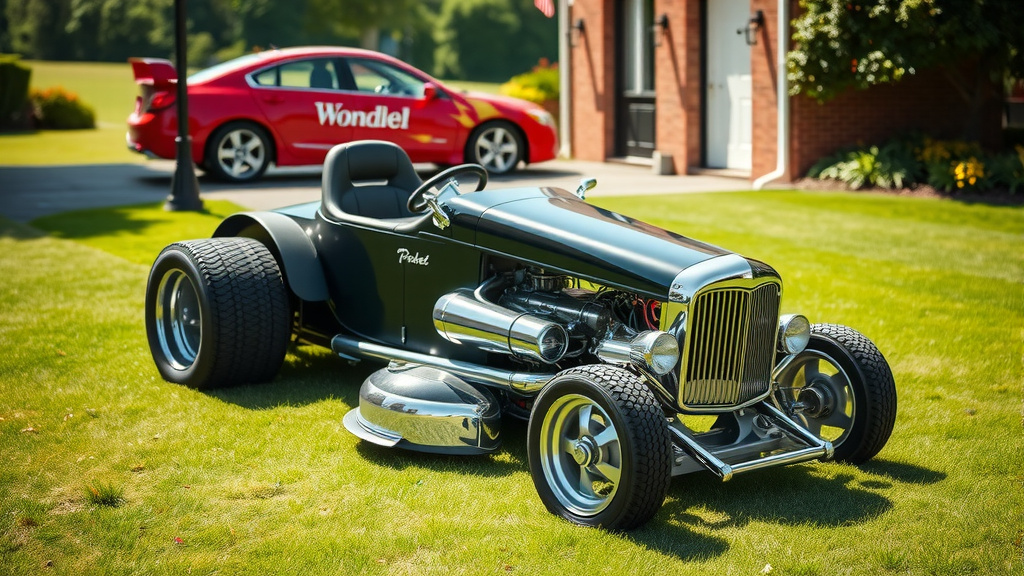
To build a hot rod lawn mower, you will upgrade its engine, transmission, and chassis for enhanced speed and power.
This custom project involves careful planning, selecting robust parts, and always prioritizing safety during the entire build process.
- Building a hot rod lawn mower means transforming a standard machine into a high-performance vehicle.
- The process begins with a sturdy base mower and involves significant engine, transmission, and frame modifications.
- Safety is paramount, requiring appropriate gear and careful attention to structural integrity and braking systems.
- Personalization allows you to create a unique, fast machine that stands out from the crowd.
How To Build A Hot Rod Lawn Mower?
You build a hot rod lawn mower by enhancing its core components for speed and durability, often starting with a powerful engine swap. This transformation makes your mower a unique, high-speed vehicle.
Why Build a Hot Rod Lawn Mower?
You might wonder why anyone would want a faster lawn mower. Well, it is about more than just cutting grass quickly. It is about the thrill of engineering and customization.
For many, it is a fun hobby and a way to express creativity. You get to build something truly unique. Some people even race these custom machines.
Prioritizing Safety in Your Build
Building a hot rod mower is exciting, but safety is your non-negotiable first step. These machines can reach high speeds. Many experts say that unexpected mechanical failures are a real risk (National Safety Council).
Always respect the power you are creating. A powerful machine needs powerful safety measures. Your well-being depends on it.
Essential Protective Gear
Before you even pick up a wrench, gear up. You will need a proper helmet, goggles, and hearing protection. Heavy-duty gloves and sturdy work boots are also essential. Think of this as your personal safety net.
Gathering Tools and Parts
What do you need for this transformation? You will need more than just ambition. Having the right tools and parts ready makes the project smoother. It saves you trips to the store.
Basic Workshop Tools
Start with standard garage tools. A good socket set, wrenches, screwdrivers, and a grinder are a must. A welding machine will also be crucial for frame modifications. Many builds require precise measurements and cuts.
Key Performance Components
Your shopping list will include a new, more powerful engine. You will also look for stronger axles, better brakes, and a robust transmission. Don’t forget new wheels and tires suitable for higher speeds. We found that quality parts ensure reliability.
Choosing Your Starting Platform
Every hot rod needs a foundation. For a lawn mower, this means picking the right base machine. A riding lawn mower is often preferred due to its existing frame structure.
Riding Mower Foundations
A riding mower provides a larger chassis to work with. This makes engine swaps and frame reinforcements easier. Look for a model with a sturdy steel frame. Avoid flimsy, light-duty models, as they may not withstand modifications.
Boosting Engine Power
This is where your mower truly becomes a “hot rod.” Swapping out the stock engine for something much more powerful is key. You are aiming for a significant horsepower increase. Research often connects higher displacement engines with better performance (Society of Automotive Engineers).
Engine Swap Considerations
When selecting a new engine, consider weight, size, and power output. Compatibility with your existing drivetrain is also vital. Below is a quick comparison of common engine choices:
| Engine Type | Pros | Cons |
|---|---|---|
| Motorcycle Engine | High RPM, lightweight, good power. | Complex wiring, specific cooling. |
| V-Twin Utility Engine | Torquey, reliable, readily available. | Heavier, larger footprint. |
| Small Car Engine | Very powerful, robust. | Significant fabrication needed, heaviest. |
Optimizing the Drivetrain for Speed
A powerful engine needs a matching drivetrain to put power to the ground. Your stock transmission will likely not handle the increased torque. You will need to upgrade it.
Transmission and Gearing Adjustments
Look for a stronger transmission, perhaps from a larger garden tractor or even a go-kart. You will also adjust the gearing. Smaller drive pulleys and larger driven pulleys mean more speed. This is where engineering precise ratios becomes important.
Reinforcing the Mower’s Frame
More power and speed mean more stress on the frame. The original mower chassis was not designed for this. Reinforcement is not optional; it is a necessity for your safety. We found that a weak frame can buckle under stress.
Chassis Strength Upgrades
You will need to weld additional steel bracing to the frame. Strengthen key stress points, especially around the engine mount and axle. Creating a stronger, more rigid frame ensures stability. This step is about building structural integrity.
Enhancing Steering and Braking
Speed is only fun if you can control it. Your hot rod mower needs excellent steering and strong brakes. The stock components simply won’t cut it. Many experts point to reliable stopping power as critical for high-speed vehicles.
Control System Enhancements
Upgrade to a more direct steering system, possibly rack-and-pinion, for better responsiveness. Install heavy-duty disc brakes, preferably on all wheels. This provides the stopping power you will need. Precision control is key for a safe and enjoyable ride.
Personalizing Your Hot Rod Look
After all the mechanical work, it’s time to make your hot rod mower truly yours. This is where your creativity shines. Aesthetics are just as important as performance for many builders. Make it reflect your style.
Aesthetic Touches and Finishes
Consider a custom paint job, racing stripes, or unique decals. Add comfortable racing seats or a custom steering wheel. How about a roll cage for an authentic look and added safety? Here’s a quick checklist for customizing:
- Choose a distinctive paint color.
- Install a comfortable racing seat.
- Add custom lighting or gauges.
- Design unique graphics or decals.
- Fabricate a protective roll bar or cage.
- Upgrade the exhaust for a better sound.
Conclusion
Building a hot rod lawn mower is a rewarding project that combines mechanical skill with creative flair. From a simple riding mower, you can create a high-performance machine. Always remember to prioritize safety above all else. With careful planning, the right parts, and attention to detail, you will construct a unique vehicle. Enjoy the process of bringing your vision to life. You will be proud of your custom-built speed machine.
Frequently Asked Questions
Is it legal to drive a hot rod lawn mower on public roads?
No, generally, hot rod lawn mowers are not street legal. They lack safety features required for public roads. They are best used on private property or designated racing tracks.
What is the most challenging part of building a hot rod lawn mower?
Many builders find engine and transmission mounting the most challenging. This often requires custom fabrication and precise alignment. Ensuring everything fits and functions safely takes skill.
How much does it cost to build a hot rod lawn mower?
The cost varies greatly depending on the parts you choose. You could spend anywhere from a few hundred to several thousand dollars. High-performance engines and custom fabrication add to the expense.
Can a hot rod lawn mower still cut grass?
Technically, yes, if you keep the cutting deck. However, most hot rod mowers are built for speed and performance, not for actual lawn care. The deck is often removed to reduce weight and drag.
What safety precautions should I take when testing a hot rod lawn mower?
Always wear full protective gear, including a helmet and sturdy clothing. Test in a controlled, open area, away from people or obstacles. Start slow, and gradually increase speed as you get comfortable with its handling.
