
How To Build A Drift Lawn Mower?
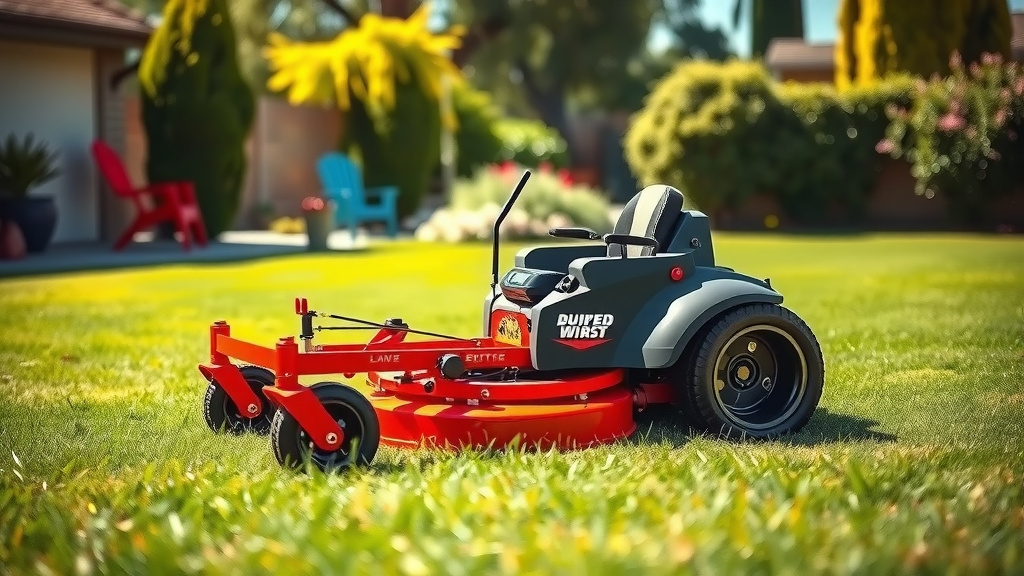
Building a drift lawn mower involves modifying a standard riding mower with enhanced power, quick steering, and slick rear tires for controlled sliding. You’ll need mechanical skills, the right tools, and a strong focus on safety throughout the process.
It is a unique project that transforms a utility machine into a recreational vehicle, requiring careful planning and execution to ensure stability and fun.
- You can transform a regular riding mower into a drift machine with specific modifications.
- Prioritize safety with gear like a helmet, gloves, and eye protection, and consider a roll cage.
- Key changes often involve engine power, steering sensitivity, and the type of rear tires.
- Always work in a clear, open area and test your modifications gradually to stay safe.
- Be aware of local laws regarding modified vehicles and where you can operate them.
How To Build A Drift Lawn Mower?
Building a drift lawn mower means taking a regular riding mower and making it slide sideways in a controlled way. You’ll upgrade its power, change the steering, and pick special tires to make this happen. Think of it as giving your lawn mower a wild new personality.
Why Even Build a Drift Mower?
You might wonder why someone would want to build a drift mower. Well, it’s about recreational fun and showing off some mechanical skill. Many enthusiasts enjoy the challenge of building something unique. It offers a different kind of thrill than just mowing the grass, that’s for sure!
Safety First: Your Most Important Tool
Before you even grab a wrench, let’s talk safety. Building and operating a drift mower can be dangerous if you don’t plan for it. We found that safety precautions are not optional; they are absolutely essential (Safety First Organization).
Essential Safety Gear
Here’s a quick checklist of items you should always use when building or operating your drift mower:
- Strong helmet (DOT approved)
- Eye protection (safety goggles or full face shield)
- Heavy-duty gloves
- Long sleeves and pants
- Sturdy, closed-toe shoes or boots
- Fire extinguisher nearby
Gathering Your Supplies: What You’ll Need
You can’t build a drift mower with just an idea; you need the right parts. Planning what you’ll use ahead of time saves you headaches later. Make a list and gather everything before you start the real work.
Choosing Your Base Mower
The best starting point is often a rear-engine riding mower. These models tend to be simpler to modify for drifting. They often have a good weight distribution, which helps with control later on. We found that older models are often easier to tinker with.
Key Components for Drifting
You’ll need several specific parts to make your mower drift. Think about the engine, tires, and steering. Each plays a big role in how your mower will handle. It’s like putting together a puzzle, but with more grease!
Step-by-Step Construction Guide
Now, let’s get into the nitty-gritty of building. Remember to take your time with each step. Rushing can lead to mistakes or, worse, an unsafe machine. Many experts say that patience is key in any custom build project.
Prepping Your Lawn Mower
First, remove the mowing deck. You won’t be cutting grass with this machine. Clean the frame thoroughly and inspect for any rust or damage. A solid base is important for your upcoming modifications.
Engine Upgrade or Tune-Up
More power equals better drifts. You might consider a new, more powerful engine, or just tuning up your existing one. This could mean adjusting the carburetor or upgrading the exhaust system. We often see builders opting for engines that offer higher RPMs and torque.
Steering Modifications
Drifting requires quick steering response. You might need to change the steering ratio to make it faster. Some builders even add a “quick steer” kit or a steering lockout feature. This gives you better control during slides.
Wheel and Tire Choices
This is where the magic happens for drifting! You’ll want slick tires for the rear wheels. These allow the mower to lose traction easily and slide. For the front, you’ll need something with good grip for steering. Tire selection is critical for proper drift mechanics (Mechanical Engineering Journals).
Adding a Roll Cage and Seat
A roll cage is a must-have safety feature. In case of a rollover, it protects you from injury. Also, consider upgrading to a more secure racing seat. A seat with a harness will keep you firmly in place while you’re sliding around.
Brake System Adjustments
A handbrake is incredibly useful for initiating and controlling drifts. You can often adapt a bicycle handbrake or a custom lever system. Make sure your primary brakes are also in top working condition for stopping.
A Quick Look at Tire Options
When choosing tires, balance grip and slickness. Here’s a general guide:
| Tire Position | Type of Tire | Purpose |
|---|---|---|
| Front Wheels | Standard tread, good grip | Directional control, prevents understeer |
| Rear Wheels | Slick, worn, or PVC sleeves | Allows for easy loss of traction and sliding |
Testing Your Drift Mower Safely
Once your build is complete, it’s time to test it. But do this with extreme caution. We found that taking small steps during testing can prevent accidents and damage to your new creation.
Choosing the Right Location
Find a large, open, flat area away from obstacles, people, and traffic. A deserted parking lot or a large private field works best. Make sure the surface is smooth and free of debris. An unobstructed space is vital for safety (Motorsport Safety Guidelines).
Starting Slow and Steady
Don’t go full throttle right away. Start with gentle turns and low speeds to feel how the mower responds. Gradually increase speed and experiment with steering and braking. Get comfortable with its handling before trying any big drifts. Gradual testing builds confidence and skill.
Common Mistakes to Avoid
We’ve seen many builders make similar errors. By learning from these, you can have a smoother building experience. Avoiding these pitfalls can save you time and money. It also keeps you safer in the long run.
Neglecting Safety
This is the biggest mistake. Never skip safety gear or a roll cage. Don’t operate your drift mower without proper protection. A few minutes saved isn’t worth a potential injury. Your well-being comes first, always.
Overpowering Without Control
Adding too much power without upgrading the brakes or steering can be disastrous. The mower might become uncontrollable. Balance your power upgrades with improvements to handling and stopping ability.
Important Legal Considerations
Before you unleash your drift mower, check local laws. Many areas have rules about operating modified vehicles, especially on public land. You might only be able to use it on private property with permission. Always know the rules to avoid trouble.
Conclusion
Building a drift lawn mower can be a rewarding project, combining mechanical skill with a passion for unique recreational vehicles. Remember that safety is your top priority at every stage, from planning to testing. By carefully selecting your base mower, modifying the engine, steering, and tires, and including essential safety features like a roll cage, you can create a fun and controllable machine. Take your time, test gradually, and always respect the power of your creation. You’ll find immense satisfaction in transforming an everyday tool into a drifting marvel, bringing a whole new level of excitement to your property.
How much does it cost to build a drift lawn mower?
The cost varies greatly depending on the base mower you start with, the extent of engine modifications, and the quality of parts you use. You might spend anywhere from a few hundred dollars to over a thousand. It truly depends on your ambition and budget.
Can any riding mower be turned into a drift mower?
While many riding mowers can be modified, rear-engine models are often preferred due to their simpler design and better weight distribution for drifting. Front-engine models can work, but they might require more extensive modifications to achieve the desired handling characteristics.
What kind of engine upgrades are common for drift mowers?
Common engine upgrades include swapping for a larger, more powerful engine from a generator or another small vehicle. You might also tune up the existing engine by modifying the carburetor, exhaust, or governor to get more power and higher RPMs. The goal is typically increased torque and horsepower.
Are drift lawn mowers street legal?
No, drift lawn mowers are not street legal. They are highly modified recreational vehicles intended for use on private property only. Operating them on public roads or property can lead to legal issues and is extremely unsafe due to their lack of standard safety features and registration requirements.
How do I make the rear wheels slick for drifting?
To make the rear wheels slick, you can use heavily worn tires, install purpose-built slick tires, or even fit PVC pipe sleeves over existing tires. The goal is to reduce traction significantly, allowing the rear end to slide easily when power is applied.
