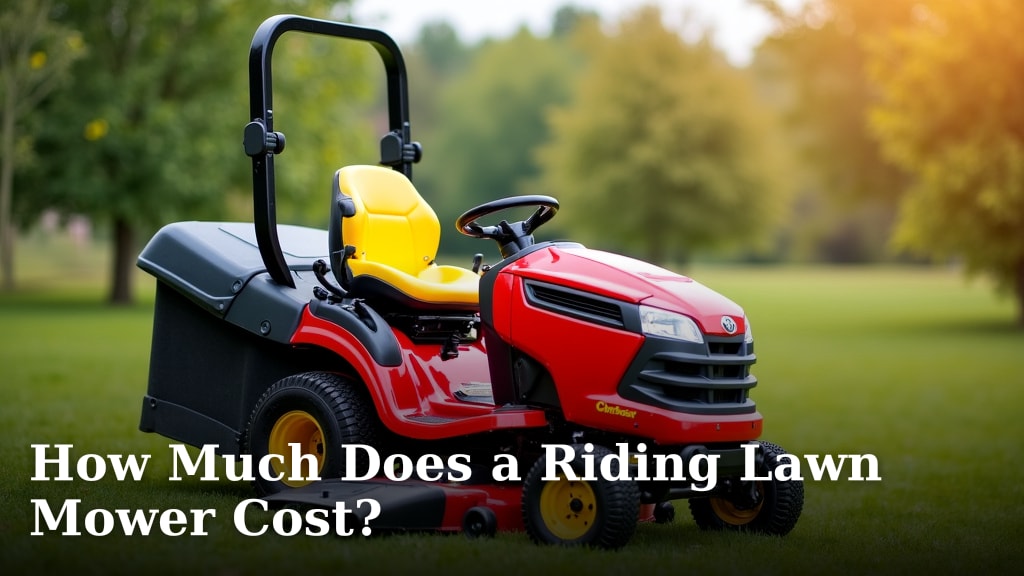
How to Choose a Riding Lawn Mower
Choose a riding mower by matching its type, deck width and controls to your lawn: a compact yard with tight turns may suit a lawn tractor, while a larger open lawn may favor a zero-turn. Measure gates and storage, check slopes and obstacles, then compare controls and attachments.
On this page (10 sections)
- What riding mower type fits your property?
- How wide should a riding mower deck be?
- Which controls should you try before buying?
- What power source and engine should you compare?
- Do you need a bagger or other attachments?
- How should you check slopes, obstacles and storage?
- What can these related mower products help with?
- How do you compare riding mower costs?
- What should you do before choosing a riding mower?
- How do you buy the right riding lawn mower?
Choose a riding mower by matching mower type, deck width and controls to the lawn you actually maintain. Measure narrow gates and storage space, note slopes and obstacles, and decide whether you need features such as grass collection before comparing models.
The right mower depends on the shape and size of your property, not just its total area. For a short list of options, see our Top 7 Best Riding Lawn Mower 2026.
What riding mower type fits your property?
Choose a lawn tractor for general yard work, a garden tractor when heavier-duty attachments matter, or a zero-turn mower when a large, open lawn calls for fast turns around obstacles. Check each model’s intended use and slope guidance before you decide.
A lawn tractor uses a steering wheel and is often the familiar choice for mowing and light property tasks. For a brand-specific shortlist, see Craftsman riding mower options.
Garden tractors are generally built for more demanding work, but compare the specific model’s allowed attachments and operating limits rather than relying on its name alone.
Zero-turn mowers use lap bars or a steering wheel system to control each drive wheel. Their turning style can help around trees and landscape beds, though the controls may take practice and the machine may be less suited to steep slopes.
| Your property | Start by comparing | Check before choosing |
|---|---|---|
| Small lawn with gates and tight turns | Compact lawn tractor | Deck width, turning space and access |
| Large, open lawn | Lawn tractor or zero-turn | Mowing time, storage and terrain |
| Many trees or landscape beds | Zero-turn or compact tractor | Control comfort and maneuvering room |
| Sloped or uneven ground | Models approved for that terrain | Manual guidance, traction and safe operating limits |
| Mowing plus heavier attachments | Garden tractor | Attachment compatibility and capacity |
If comfort and ease of mounting are priorities, compare our guide to the Best Riding Mower For Seniors. A lower step-through and familiar steering can matter as much as mowing speed.
How to buy a riding lawn mower for a small yard
For a small yard, prioritize a compact footprint and easy turning over a wide cutting deck. A large deck may reduce passes, but it can make narrow paths and close obstacles harder to manage.
Measure the narrowest gate, shed door and route to the mowing area. Leave room to turn and park the mower, and check the machine’s full width, including any discharge chute.
If most of the lawn is open, a modest deck may be adequate. For a yard divided by trees, beds or play areas, focus on maneuverability and visibility around the mower.
Which riding mower suits a large lawn?
For a large lawn, compare mowing width, travel speed and turning efficiency together. A wider deck can cover more ground per pass, but only if it fits your storage and can move safely around the property.
Estimate the open mowing area rather than counting the full lot, since buildings, gardens and wooded sections do not need mowing. Include the number of obstacles and narrow passages that will affect turns.
A zero-turn may help reduce extra turning on broad, open stretches. If the property has slopes or rough sections, check the model’s operating guidance and consider whether a lawn tractor better suits the route.
How wide should a riding mower deck be?
Choose the widest deck that fits your access, storage and obstacle layout. A wide deck can reduce mowing passes, but it must clear gates and allow you to turn around trees, beds and buildings.
Measure the narrowest route and compare it with the mower’s overall width, not just the cutting width. The discharge chute or other attachments may extend beyond the deck.
| Lawn layout | Deck choice to consider | Why |
|---|---|---|
| Narrow gates and close obstacles | Compact deck | Easier access and tighter maneuvering |
| Open lawn with wide storage access | Wider deck | Fewer passes across broad areas |
| Mixed open and tight sections | Mid-width deck | Balances coverage and access |
The deck’s shape also affects how closely you can cut along fences or landscape edges. Check the deck design and discharge direction, and plan to trim areas the mower cannot reach safely.
Which controls should you try before buying?
Choose controls that feel clear and manageable from the operator’s seat. Compare steering-wheel models with lap-bar or other controls, and consider whether the starting, speed and deck controls are easy for you to reach.
A steering wheel will feel familiar to many drivers. Lap bars give separate control of the drive wheels, which can make a zero-turn responsive but may require a learning period.
Look for clear labels and a comfortable seating position. If a dealer offers a demonstration, use it to check mounting, visibility, pedal or lever reach, and how easily you can stop and turn.
If more than one person will operate the mower, make sure each person can reach the controls and adjust the seat as needed. Our How To Choose A Good Lawn Mower? guide covers the broader choice between mower types.
What power source and engine should you compare?
Compare power based on the mower’s intended workload, runtime needs and available service support. Gas engines are common on riding mowers, while battery-powered models may suit buyers who want to avoid fuel and engine exhaust during mowing.
Compare electric riding lawn mowers if you want a battery-powered rider.
For a battery model, check its stated runtime, charge time, battery compatibility and whether the mower can complete your lawn in the conditions you expect. Grass length, terrain and mowing habits can affect runtime.
For gas models, compare engine size and service requirements in the manufacturer’s specifications. Confirm the recommended fuel, oil, maintenance schedule and whether local service is available.
Do not assume more power automatically means a better fit. Match the engine and transmission to the mower’s intended tasks, terrain and any attachments you plan to use.
Do you need a bagger or other attachments?
Choose attachments based on what you will do with the clippings and whether the mower supports the equipment. A bagger can collect grass, while a mulch kit returns clippings to the lawn; compatibility depends on the exact mower and deck.
Check the mower’s manual or manufacturer compatibility guide before buying an attachment. Confirm the deck size, model year and required mounting parts.
The MTD double bagger is described for certain riding mowers with 42- or 46-inch decks, including select Troy-Bilt and Cub Cadet models. It has a 6.5 bushel capacity and a sight window to help show when the bags are full.
A bagger adds bulk and needs regular emptying, so consider where you will store it and how far you will carry clippings. If you prefer not to collect grass, check whether the mower supports mulching or side discharge.
How should you check slopes, obstacles and storage?
Check terrain limits, turning room and storage access before choosing a mower. Use the manufacturer’s slope guidance, and avoid operating any mower on ground that exceeds its stated limits.
Walk the property and mark steep sections, ditches, soft ground and areas where traction may be limited. Note trees, fences, irrigation heads and low branches that could affect safe mowing.
Measure the shed or garage door, interior turning room and space for the mower with attachments installed. Include access for routine cleaning and maintenance, plus room to park without blocking other equipment.
A mower that fits the lawn but cannot pass through the gate or fit in storage will create daily inconvenience. Measure first, then compare the dimensions of specific models.
What can these related mower products help with?
These products can help with separate lawn-care needs, though neither is a riding mower. Match each one to its stated use and your own equipment needs.
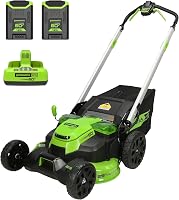
The Greenworks mower is a push model with a 4.0 Ah battery and charger. Greenworks says it can cut up to one-third acre per charge, with results varying by grass condition and operator technique.
The Husqvarna toy has an on/off button and makes engine sounds when its starter knob is pulled. It is a toy for supervised pretend play, not yard work.
For brand-specific riding mower options, see Best Husqvarna Riding Mowers. To compare likely spending ranges before narrowing your model choices, read How Much Does a Riding Lawn Mower Cost?.
How do you compare riding mower costs?
Compare total ownership needs, including the mower, compatible attachments, storage and routine maintenance. The lowest purchase price may not suit your property if it lacks the deck size or features you need.
Start by listing required features: mower type, deck width, transmission, bagging or mulching, and any attachment compatibility. Compare models with the same basic setup so the differences are clear.
Include maintenance and storage in your decision. A larger mower may require more room and cost more to maintain, while an attachment adds expense and may only fit specific models.
Use our riding lawn mower cost guide to understand the main price factors. Confirm current model details and attachment fit with the manufacturer before you buy.
What should you do before choosing a riding mower?
Choose the mower that fits your lawn’s access, terrain and routine. Pick a compact tractor for tight residential spaces, compare a zero-turn for broad open lawns, and choose heavier-duty equipment only when its work and attachments justify it.
Measure gates and storage, map slopes and obstacles, and list the tasks you expect the mower to handle. Then compare deck width, controls, power source and compatible attachments against those needs.
For an overall comparison, browse How To Choose Lawn Mower? and use the property checklist above to narrow the riding mower type.
How do you buy the right riding lawn mower?
To buy the right riding lawn mower, match type, deck width and controls to the shape of your yard and the way you mow. Measure access and storage first, follow slope guidance, and verify every attachment fits your exact model.
Choose a lawn tractor for general mowing and light property work, consider a zero-turn for open lawns with frequent turns, and compare garden tractors when compatible heavier attachments are central to your plans. Check current model details before settling on your choice.