
How Much Does a Riding Lawn Mower Cost?
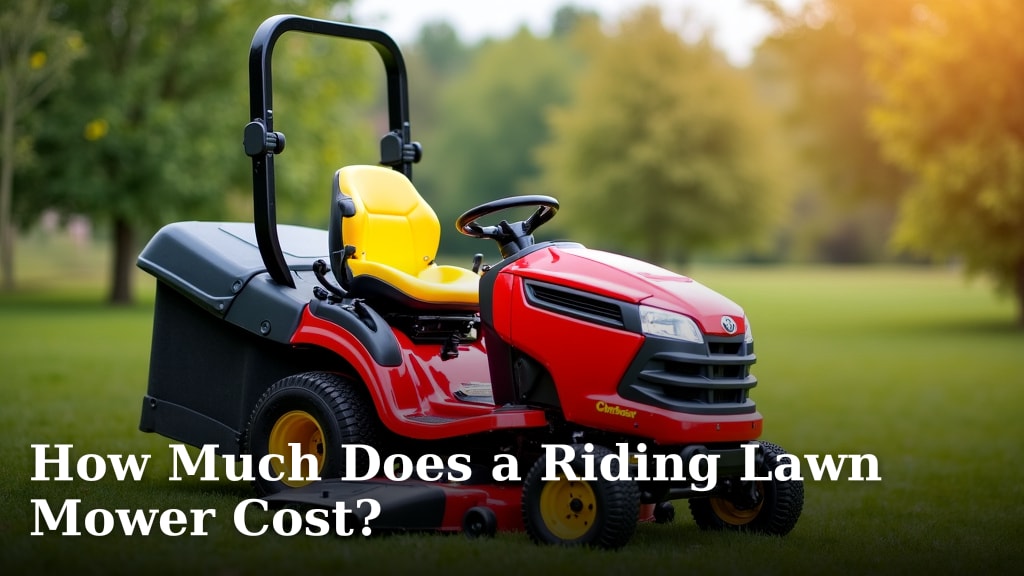
A riding lawn mower typically costs between $1,500 and $5,000 for a new model. The price you pay for a riding lawn mower can vary greatly depending on its type and features. Used models offer a more budget-friendly option.
You’re not alone if you’re wondering about the cost. Many factors influence the final price, like engine size, cutting deck width, and brand. We found that zero-turn mowers are often at the higher end of the scale.
- New riding mowers generally cost $1,500 to $5,000.
- The type of mower, like a lawn tractor or zero-turn, affects the price.
- Engine power and cutting deck size also play a big role.
- Extra features, like hydrostatic transmissions, can add to the cost.
- Used riding mowers are a cheaper alternative.
Let’s dive into the details and help you understand what impacts these prices. We’ll explore the different types of riding mowers and what you might realistically expect to spend.
Understanding Riding Mower Pricing
A new riding lawn mower generally costs between $1,500 and $5,000. This range covers many different types and features. Your specific needs will help narrow this down. We found that the main factors affecting cost are the mower’s type, engine power, and cutting deck size.
Mower Type and Its Impact on Price
The kind of riding mower you choose heavily affects the price tag. Are you looking for a traditional lawn tractor or something more agile like a zero-turn? We found these different types cater to different lawn sizes and user preferences.
Lawn Tractors
Lawn tractors are often the most affordable type of riding mower. They typically cost from $1,500 to $3,000. These are great for homeowners with medium to large yards. They drive much like a car, using a steering wheel and pedals. They can also tow small carts or spreaders, adding to their usefulness (Consumer Reports).
Many people buying their first riding mower choose a lawn tractor. They are simple to operate and generally reliable. You’ll find a good selection of brands and models in this price range.
Zero-Turn Mowers
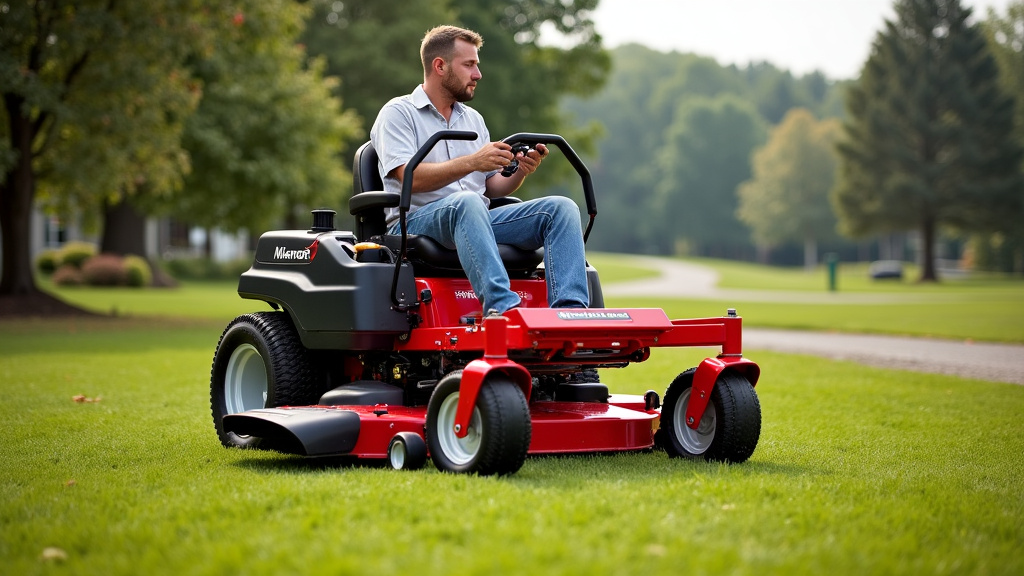
Zero-turn mowers are known for their incredible maneuverability. They can literally turn on a dime. This makes them ideal for yards with many obstacles like trees or flowerbeds. However, this agility comes at a higher cost. We found prices for zero-turn mowers usually start around $2,500 and can go up to $6,000 or more for residential models.
Commercial zero-turn mowers can be even more expensive. They are built for heavy daily use and demand higher prices. If you have a complex yard and value speed, a zero-turn might be worth the investment.
Rear Engine Riders
Rear engine riders are a bit of a hybrid. They are generally smaller and less powerful than lawn tractors. Prices for these usually range from $1,200 to $2,500. They are excellent for smaller properties where a full-sized tractor is overkill.
Their compact size makes them easy to store. They also offer good visibility since the engine is behind you. If your yard isn’t huge but you’re tired of pushing a mower, a rear engine rider could be a great choice.
Engine Power and Performance
The engine is the heart of your riding mower. Its size and power directly affect the price. Stronger engines mean higher costs. We’ve seen engines measured in horsepower (HP) or cubic centimeters (cc).
- Lower HP Engines (10-15 HP): Often found in rear engine riders or smaller lawn tractors. These are suitable for flat, smaller yards. Prices will be on the lower end.
- Medium HP Engines (16-22 HP): Common in most residential lawn tractors and some entry-level zero-turns. They handle larger yards and light hills well. This is where most mid-range mowers fall.
- High HP Engines (23+ HP): Typically included in larger lawn tractors or higher-end zero-turn mowers. These are for very large properties, tough terrain, or commercial use. Expect to pay premium prices here.
More horsepower means the engine can cut thicker grass more easily. It also often means better durability and a longer lifespan for the mower. Think about the size and slope of your yard when considering engine power.
Cutting Deck Width
The cutting deck is where the blades are located. Its width tells you how much grass the mower can cut in a single pass. A wider deck means you’ll finish mowing faster. Naturally, wider decks cost more.
We found common cutting deck widths range from about 30 inches to over 60 inches. A 30-inch deck is good for smaller yards, while a 50-inch or wider deck is better for several acres (University of Missouri Extension).
Consider the total area of your lawn. A wider deck saves time but also makes the mower larger and harder to maneuver in tight spaces. You’re paying for efficiency, or more precisely, for less time spent mowing.
Transmission Types
How the power gets from the engine to the wheels matters for both performance and price. There are generally two main types of transmissions in riding mowers.
Manual Transmissions: These are like old car sticks shifts. You have to change gears as you mow. They are usually found in lower-priced models and are simple to maintain. If you don’t mind shifting, you can save some money here.
Automatic (Hydrostatic) Transmissions: These offer smooth, seamless speed changes. It’s like driving an automatic car. They are much more convenient but also add to the cost. Most modern riding mowers, particularly zero-turns, feature hydrostatic transmissions. Many people find the ease of use well worth the extra expense.
Additional Features and Options
Beyond the basics, many extras can push up the price of a riding mower. These are often about convenience, comfort, or added functionality. Consider what features are truly important to you.
- Comfort Features: Padded seats, armrests, cup holders, and even cruise control can make long mowing sessions more pleasant. These can add a few hundred dollars to the price.
- Durability Upgrades: Cast iron front axles, heavier gauge steel frames, or commercial-grade components indicate a more robust machine. These are often found in higher-priced models built to last.
- Wash Ports: A built-in hose connection for cleaning the underside of the deck. A small but useful feature.
- LED Headlights: For mowing at dawn or dusk. A nice touch but not essential for everyone.
- Fuel Gauges/Hour Meters: Help you keep track of fuel levels and maintenance schedules.
Think of it like buying a car. Do you need the luxury package, or is the base model just fine? Each extra adds a little to the total. Decide which features provide real value for your specific mowing habits.
Brand Reputation and Dealerships
The brand of the mower also plays a role in its cost. Well-established brands often have higher initial prices but might offer better resale value and wider access to service. Popular brands we commonly see include John Deere, Husqvarna, Cub Cadet, Ariens, and Craftsman.
Buying from a local dealership might mean paying a bit more upfront than from a big box store. However, local dealerships often provide expert advice, assembly, delivery, and dedicated repair services. This after-sales support can be incredibly valuable, especially for complex machinery. It’s a trade-off between immediate savings and long-term peace of mind.
Finding Value: New vs. Used Mowers
Deciding between a new or used riding mower is a big part of finding the right price. Each option has its own set of pros and cons, especially for your budget.
The Perks of Buying New
When you buy a new riding mower, you get a fresh start. There’s usually a manufacturer’s warranty, which protects you from unexpected repairs. You also get the latest features and technology. We found peace of mind is a big motivator for buying new.
Many new mowers also come with financing options. This can make the upfront cost more manageable. You know the machine hasn’t been abused, and all parts are brand new. It’s a clean slate for your lawn care journey.
However, new mowers depreciate quickly. Just like a car, its value drops as soon as you use it. This is an important consideration if you ever plan to sell it.
Considering Used Riding Mowers
A used riding mower can offer significant savings. You might find a high-quality model for a fraction of its original price. This is especially true if you buy from a private seller. We often see prices that are 20-50% lower than new models.
The key to buying used is careful inspection. Look for signs of wear and tear, listen to the engine, and check the cutting deck. A pre-purchase inspection by a qualified mechanic can save you headaches later. Websites like Facebook Marketplace or local classifieds are good places to look. Some dealerships also sell certified used models.
The main drawback is the lack of a warranty. If something breaks, you’re usually on the hook for repairs. Ensure you’re comfortable with potential maintenance costs down the line. We recommend asking for service records if possible.
A Quick Comparison Table
Here’s a simple look at the major differences between new and used riding mowers:
| Feature | New Riding Mower | Used Riding Mower |
|---|---|---|
| Initial Cost | Higher (e.g., $1,500 – $6,000+) | Lower (e.g., $500 – $3,000) |
| Warranty | Typically included (1-5 years) | Usually none |
| Condition | Brand new, no wear | Varies (can have wear) |
| Features | Latest technology | May have older features |
| Financing | Often available | Rarely available |
| Resale Value | Higher initial depreciation | Slower depreciation later |
| Maintenance | Lower initial likelihood | Higher potential likelihood |
Budgeting for Your Riding Mower
Beyond the initial purchase price, there are other costs to consider when owning a riding mower. These ongoing expenses are part of the total cost of ownership. It’s wise to factor them into your overall budget.
Ongoing Operating Costs
Just like a car, your riding mower needs fuel. We found that most residential riding mowers use regular unleaded gasoline. The amount you use depends on your yard size and how often you mow. A larger mower with a bigger engine will consume more fuel. Don’t forget to factor in the cost of stabilizer if storing fuel over winter.
You’ll also need to consider basic supplies like oil and filters. These are essential for keeping your engine running smoothly. We recommend following the manufacturer’s guidelines for oil changes and filter replacements.
Maintenance and Repairs
Every machine needs maintenance. Your riding mower will require periodic tune-ups, blade sharpening, and occasional repairs. Spark plugs, air filters, and fuel filters are common replacement parts (U.S. Department of Energy).
Annual service can cost anywhere from $100 to $300, depending on what needs to be done. If you’re handy, you can do some of this yourself. If not, budget for professional service. Larger repairs, like a new transmission or engine work, can be much more expensive. This is where a warranty on a new mower can really pay off.
Storage Considerations
Where will you keep your riding mower when not in use? It needs a dry, safe place to protect it from the elements. This could be a garage, shed, or even a specialized mower cover.
If you don’t have existing storage, you might need to buy a shed. Shed costs vary widely, from a few hundred dollars for a basic resin shed to thousands for a larger wooden structure. Don’t overlook this potential added cost if you’re buying a larger machine.
Checklist for Choosing Your Riding Mower
To help you decide, here’s a checklist of key questions to ask yourself:
- What is the size of your lawn (in acres)?
- How many obstacles (trees, flower beds) does your yard have?
- Do you prefer a steering wheel or lap bars for control?
- What is your absolute maximum budget for the mower?
- Do you need capabilities like towing or mulching?
- Are you comfortable performing basic maintenance yourself?
Conclusion
Choosing the right riding lawn mower means balancing your needs with your budget. We’ve seen that prices range significantly based on mower type, engine power, and features. Whether you opt for a new model with a warranty or a used one for savings, understanding these factors helps you make an informed decision.
Remember to consider long-term ownership costs like fuel and maintenance, not just the upfront price. Take your time, assess your yard, and don’t hesitate to visit local dealerships. You’ll find the perfect machine to keep your lawn looking great without breaking the bank.
Frequently Asked Questions
What’s a good budget for a first-time riding mower owner?
For first-time owners with average-sized yards, a budget of $1,500 to $3,000 is a good starting point. This range allows for quality lawn tractors or entry-level rear engine riders that offer good performance and features. You can often find reliable new models in this price bracket.
Do zero-turn mowers always cost more than lawn tractors?
Generally, yes, zero-turn mowers do have a higher starting price. They offer superior maneuverability and often stronger engines, which contributes to their cost. While some high-end lawn tractors can match entry-level zero-turn prices, zero-turns typically occupy the higher price categories.
Can I get a decent used riding mower for under $1,000?
Yes, it’s possible to find a decent used riding mower for under $1,000, especially rear engine riders or older lawn tractor models. You’ll need to inspect it thoroughly and be prepared for potential maintenance. Private sellers or community marketplaces are good places to look for these deals.
Does a wider cutting deck always mean a more expensive mower?
Typically, a wider cutting deck does correspond to a higher price. This is because larger decks often require more powerful engines and more robust construction. A wider deck helps you cut grass faster, and that efficiency usually comes at an increased cost.
Is financing available for riding lawn mowers?
Yes, financing options are often available, especially when purchasing new riding mowers from dealerships or larger retailers. These can include interest-free periods or low monthly payments. We recommend checking with individual sellers or dealerships for their specific financing terms.
