How To Choose The Right Lawn Mower?
To choose the right lawn mower, assess your yard’s size, grass type, and terrain first. Consider a push reel for small, flat lawns, electric for medium-sized, or a gas/riding mower for larger properties and tougher grass.
The best lawn mower for you perfectly balances good mower features with your budget and preferred features like mulching or bagging.
TL;DR: Here’s a quick guide to choosing your ideal lawn mower:
- Match the mower type (manual, electric, gas, riding) to your yard’s specific needs.
- Prioritize key features such as cutting width, self-propulsion, and grass disposal options.
- Consider the power source: quiet electric models versus powerful gas engines.
- Always factor in your budget, necessary maintenance, and available storage space.
- Remember to prioritize safety whenever you operate any lawn mower.
How To Choose The Right Lawn Mower?
Choosing the right lawn mower means finding one that perfectly fits your yard, your lifestyle, and your budget.
It’s about making your lawn care routine easier and more enjoyable, turning a chore into a rewarding task.
Understanding Your Lawn: The First Step
Before you even look at mowers, take a good look at your lawn. This initial assessment is your personal GPS for selection.
Think about its size, the kind of grass you have, and the overall terrain.
Yard Size Matters Most
How big is your lawn? This is probably the single biggest factor in your decision, as we’ve found in our research.
A small suburban patch needs a different solution than a sprawling country estate.
For mower size for small yards (under 1/4 acre), a push reel or electric mower might be perfect. They are easy to store and operate.
Medium yards (1/4 to 1/2 acre) often benefit from a cordless electric or a walk-behind gas mower. These offer a good balance of power and maneuverability.
Large yards (1/2 acre or more) usually demand the power and speed of a self-propelled gas mower or a riding mower. You want to save time and effort here.
Grass Type And Terrain
Do you have thick, tough grass or a finer variety? Some mowers handle specific grass types better.
Is your yard flat as a pancake, or does it have hills, slopes, and obstacles? Hilly terrain often means you’ll want a self-propelled or riding model.
Types of Lawn Mowers: What Are Your Options?
The market offers a range of mowers, each with its own advantages. Let’s look at the main types you’ll encounter.
Push Reel Mowers
These are old-school, manual mowers, great for tiny, flat yards. They are quiet, eco-friendly, and provide a clean, scissor-like cut.
Think of them as a gentle workout while you trim your lawn. No gas, no cords, just pure elbow grease.
Electric Mowers (Corded & Cordless)
Electric mowers are generally quieter and emit zero fumes. Corded models are lighter and don’t need charging, but limit your range.
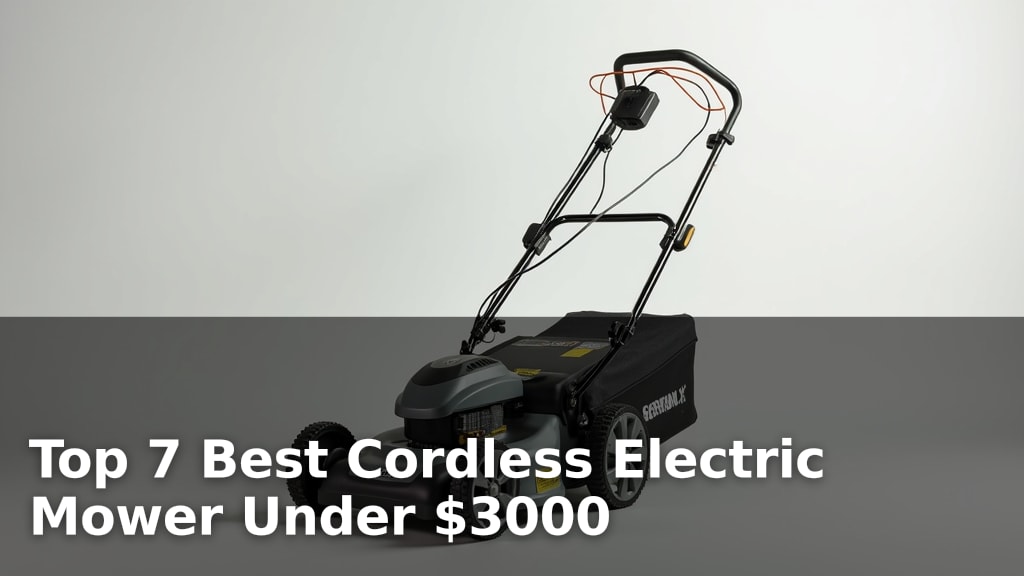
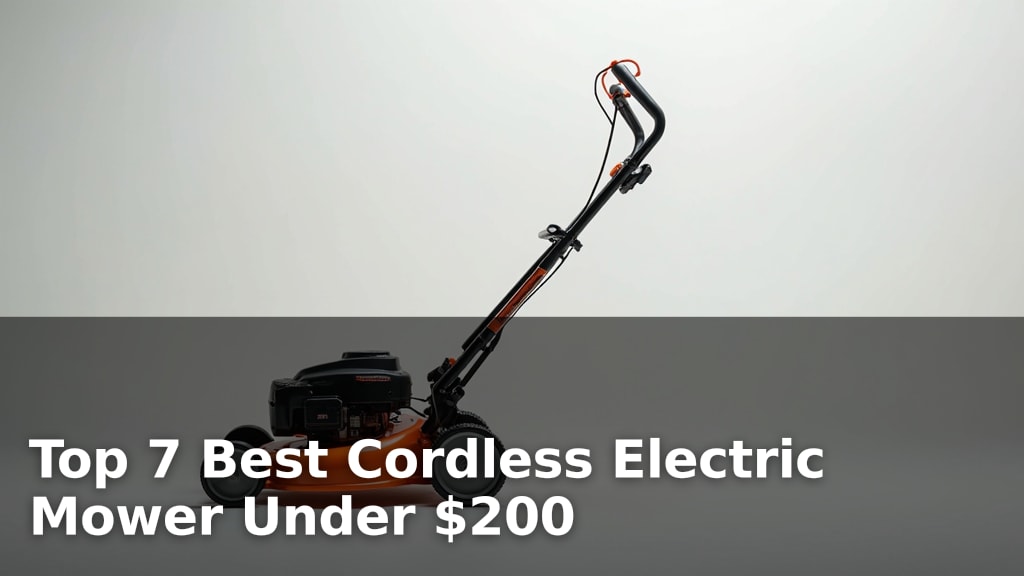
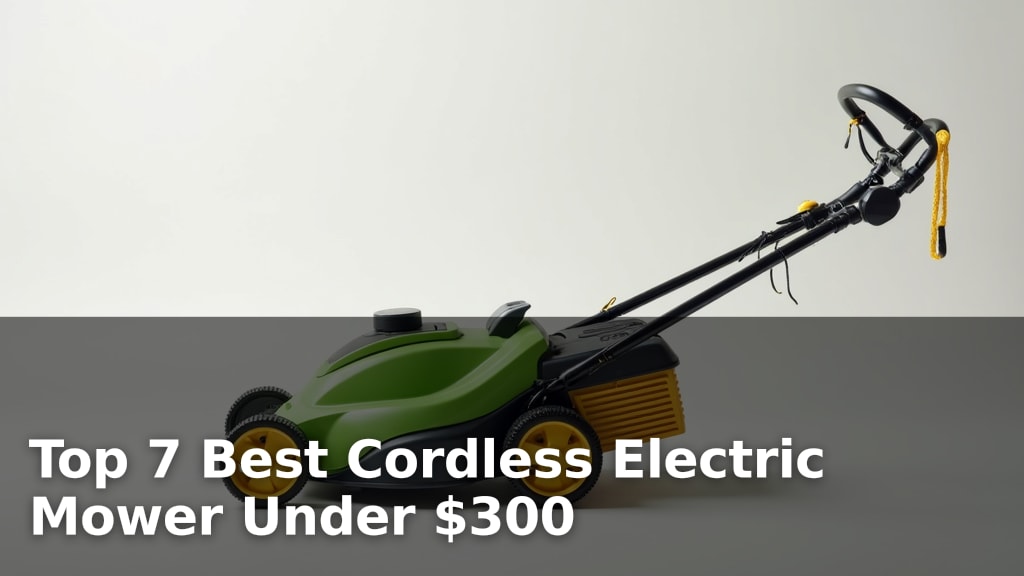
Cordless battery-powered mowers offer freedom of movement and are perfect for medium yards. Just remember to charge those batteries!
Gas Mowers (Walk-Behind, Self-Propelled)
These are the workhorses, offering more power and cutting width. Gas mowers handle taller, thicker grass with ease.
Walk-behind models require you to push, while self-propelled versions do the pushing for you, saving your back on larger lawns.
Riding Mowers (Lawn Tractors, Zero-Turn)
For truly large properties, riding mowers are the way to go. Lawn tractors are versatile, handling mowing and other tasks with attachments.
Zero-turn mowers are incredibly fast and agile, making quick work of complex landscapes with many obstacles, often preferred for their superior maneuverability.
The Power Source Debate
Deciding between manual, electric, or gas power comes down to your lawn’s needs and your personal preference. Each has trade-offs.
Here’s a quick overview to help you compare:
| Mower Type | Best For | Power Source |
|---|---|---|
| Push Reel | Small, flat yards | Manual |
| Electric (Corded) | Small to medium yards | Electric outlet |
| Electric (Cordless) | Medium yards | Rechargeable battery |
| Gas Walk-Behind | Medium to large yards | Gasoline |
| Riding Mower | Large yards, tough terrain | Gasoline |
Considering Mower Features and Functions
Beyond the basic type, mowers come with various features that can greatly affect your mowing experience. These small details can make a big difference.
Cutting Width
The cutting width, or deck size, determines how wide a strip of grass the mower cuts in one pass. A wider deck means fewer passes, saving you time on larger lawns.
Smaller decks offer better maneuverability around tight spots and garden beds.
Bagging, Mulching, Side Discharge
Most modern mowers offer options for what to do with the grass clippings. You can bag them, mulch them, or discharge them out the side.
Many experts say a “3-in-1” mower provides flexibility for different lawn conditions (Consumer Reports).
Blade Adjustments
Look for mowers that allow you to easily adjust the cutting height. This is crucial for maintaining a healthy lawn, as different grass types and seasons require varied cutting lengths.
A simple lever or single-point adjustment is a big plus.
Self-Propelled Mowers: A Back Saver?
If you have a medium to large yard, especially one with slopes, a self-propelled mower can be a dream come true. It reduces the physical effort, letting the mower do the heavy lifting.
We found that users consistently rate self-propelled models higher for comfort on larger areas.
Mulching vs. Bagging: What’s Best For You?
Mulching returns fine grass clippings to your lawn, acting as a natural fertilizer. This can lead to a healthier, greener lawn over time (University of Maryland Extension).
Bagging is good if you want a pristine, clip-free look or if your grass is too tall to mulch effectively without clumping.
Maintenance and Storage Considerations
Don’t forget about how much work your mower will need after each use and during the off-season. Some mowers are easier to care for than others.
Consider the ease of cleaning the deck and blades. Also, think about where you’ll store it – a large riding mower needs more space than a compact electric one.
Budgeting For Your Lawn Mower
Mower prices can vary widely. While it’s tempting to go for the cheapest option, remember that a good mower is an investment in your home.
Factor in not just the purchase price, but also running costs like fuel, oil, electricity, and blade sharpening.
Ergonomics and Comfort
You’ll be spending time with this machine, so ensure it feels good to operate. Look for features like adjustable handles and comfortable grips.
Reduced vibration can also make a big difference, especially during longer mowing sessions. A well-designed mower makes the job less tiring.
Safety First: Always Wear Protection
No matter which mower you choose, safety is paramount. Always wear appropriate footwear, eye protection, and gloves (OSHA).
Never operate a mower without paying full attention to your surroundings and any potential hazards.
A Quick Mower Selection Checklist
Use this checklist as a final review before making your choice:
- Is your yard small, medium, or large?
- Do you have hills, uneven ground, or many obstacles?
- What type of grass do you primarily have?
- Do you prefer quiet operation or raw power?
- Is mulching your clippings or bagging them a priority?
- What’s your comfortable budget range for initial cost and ongoing maintenance?
- How much storage space do you have available?
Conclusion
Choosing the right lawn mower doesn’t have to be overwhelming. By carefully considering your lawn’s specific characteristics and your personal preferences, you can narrow down the options.
Whether you opt for a quiet electric model or a powerful gas beast, the goal is a mower that makes caring for your lawn a satisfying and efficient experience.
How often should I sharpen my lawn mower blades?
Many experts recommend sharpening your lawn mower blades at least once per mowing season, or even more frequently if you mow a large area or hit many debris. Dull blades tear grass, leading to an unhealthy-looking lawn.
Are battery-powered lawn mowers powerful enough for tough grass?
Modern battery-powered lawn mowers have made significant advancements. While traditional gas mowers often offer more raw power, many high-end cordless electric models are now quite capable of handling tough grass, especially with larger voltage batteries and brushless motors.
What’s the difference between a lawn tractor and a zero-turn mower?
A lawn tractor is operated with a steering wheel and pedals, much like a car, making it good for general yard work and pulling attachments. A zero-turn mower uses lap bars for steering, allowing it to turn on a dime, making it much faster for intricate lawns with lots of obstacles, though they can be less stable on steep slopes.
Can I use a mulching mower if my grass is very tall?
While mulching is excellent for returning nutrients, it’s generally not recommended for very tall grass. Mulching overly long grass can lead to clumps that smother your lawn. In such cases, it’s better to bag the clippings or raise your cutting deck and make multiple passes.
Is it worth investing in a self-propelled mower for a flat lawn?
Even for a flat lawn, a self-propelled mower can be a worthwhile investment if you have a medium to large yard. It significantly reduces the physical effort required, making mowing less tiring and more enjoyable. It saves energy and time over the long run.