
How To Pick A Good Lawn Mower?
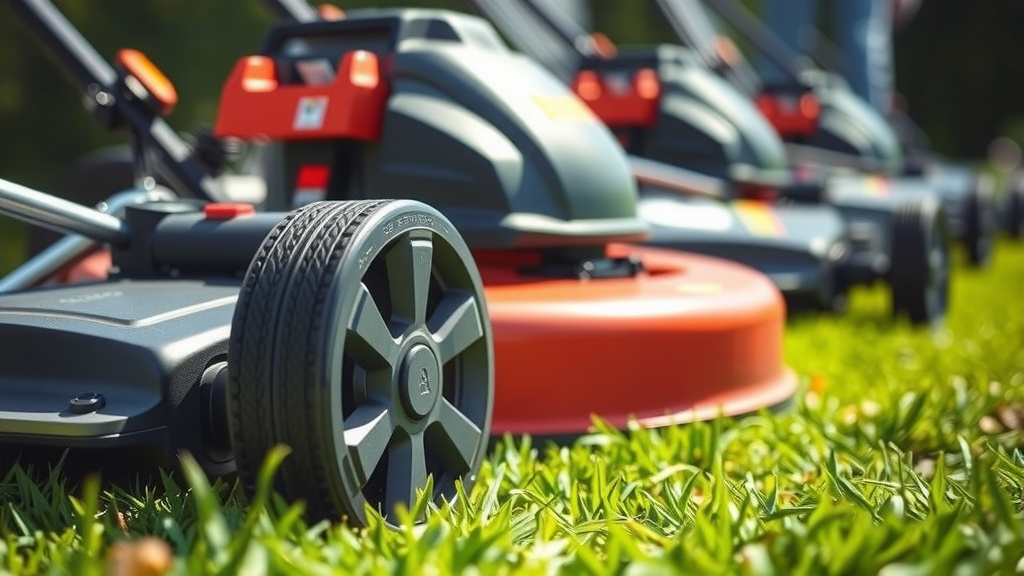
To pick a good lawn mower, first consider your lawn’s size and terrain. A smaller, flat yard might suit a push mower, while a larger, hilly area often needs a self-propelled or riding model.
Evaluate power source options like gas, electric (corded or battery), and robotic mowers based on convenience, noise, and environmental impact. Look for features such as cutting deck width, mulching capabilities, and user comfort.
Here’s a quick overview of what to look for when choosing your next lawn mower:
- Match the mower type to your lawn size and terrain.
- Decide between gas, electric, or robotic power.
- Consider cutting width for efficiency.
- Look for features like mulching, bagging, or side discharge.
- Set a budget and compare models within that range.
How To Pick A Good Lawn Mower?
Choosing the right lawn mower can truly transform your yard work. It means less struggle and more enjoyment when maintaining your green space. A good mower matches your needs perfectly.
Understanding Your Lawn: The First Step
Before you even think about models, take a good look at your lawn. How big is it? Is it mostly flat or does it have slopes? These details are key to finding your ideal mowing partner.
Lawn Size Matters
A small suburban lawn has different requirements than a sprawling estate. Knowing your lawn’s footprint helps narrow down your options significantly. We found that smaller yards need less powerful machines.
- Small Lawns (up to 1/4 acre): You might do well with a push reel mower or a smaller electric model.
- Medium Lawns (1/4 to 1/2 acre): Self-propelled walk-behind mowers or battery-powered options are often suitable here.
- Large Lawns (over 1/2 acre): Riding mowers or zero-turn mowers save significant time and effort.
Terrain and Slopes
Does your yard feel like a golf course or a mountain range? Flat lawns are easy to manage with almost any mower. However, hilly terrain demands more power and better traction, often from self-propelled or riding mowers.
Mower Types: Finding Your Match
There are many types of lawn mowers, each designed for specific situations. Let’s break down the main categories to help you decide.
Push Mowers (Manual and Gas/Electric)
Manual push reel mowers are quiet and eco-friendly, perfect for very small, flat lawns. Gas and electric push mowers offer more power for small to medium yards. They require you to provide all the forward motion.
Self-Propelled Mowers
These mowers do the pushing for you! They have a drive system that propels them forward, making them a godsend for medium-sized lawns or yards with slopes. Many experts agree these reduce operator fatigue.
Riding Mowers and Zero-Turn Mowers
If you have a large property, sitting down to mow makes sense. Riding mowers cover ground quickly. Zero-turn mowers offer incredible maneuverability, letting you turn on a dime around obstacles and saving time (Consumer Reports data shows this).
Robotic Mowers
Imagine your lawn mowing itself while you relax! Robotic mowers are growing in popularity for smaller, well-defined lawns. They are quiet, electric, and cut frequently, keeping grass at an ideal height. They need a boundary wire installed.
Power Source Choices: Gas, Electric, or Battery?
The engine or motor type influences performance, maintenance, and environmental impact. This choice often comes down to personal preference and practical considerations.
Gas Mowers
Gas mowers are known for their power and ability to handle tall, thick grass. They are typically preferred for larger lawns where corded electric options are impractical. They do require fuel, oil changes, and produce emissions.
Corded Electric Mowers
These are lighter, quieter, and emit no fumes. They are a good choice for smaller yards where an extension cord can reach all areas. Managing the cord can be a bit of a dance, but they require less maintenance than gas models.
Battery-Powered Mowers
Cordless electric mowers offer the best of both worlds: quiet operation, no fumes, and freedom from a power cord. Battery technology has improved greatly, offering longer run times. We found these are excellent for medium to large yards.
Key Features to Look For
Beyond the basic type, several features can make your mowing experience much better. Think about what truly matters for your lawn care routine.
Cutting Deck Width
The width of the cutting deck directly affects how many passes you need to make. A wider deck means fewer passes, saving you time on larger lawns. A narrower deck is better for tight spaces and maneuvering around obstacles.
Mulching, Bagging, and Side Discharge
Most mowers offer at least two of these functions. Mulching finely chops grass clippings and returns them to the lawn as natural fertilizer. Bagging collects clippings for disposal, creating a tidy finish. Side discharge is often for taller grass or when mulching isn’t desired.
Adjustable Cutting Height
Look for easy-to-use height adjustment levers. Being able to change your cutting height is essential for healthy grass, as different grass types and seasons require varying lengths. Many experts recommend never removing more than one-third of the grass blade at a time.
Comfort and Ease of Use
Consider features like ergonomic handles, easy-start mechanisms, and wheel size. Larger wheels can make it easier to navigate uneven terrain. A comfortable mower makes yard work less of a chore.
Budgeting for Your Mower
Lawn mowers come in a wide range of prices. Setting a budget helps you focus your search. Remember that the cheapest option isn’t always the best long-term value if it doesn’t meet your needs or breaks down quickly.
Here’s a quick comparison of common mower types:
| Mower Type | Best For | Pros | Cons |
|---|---|---|---|
| Push Mower | Small, flat lawns | Affordable, lightweight | Manual effort, slow |
| Self-Propelled | Medium lawns, slopes | Less effort, good power | Heavier than push |
| Riding/Zero-Turn | Large properties | Fast, comfortable | Expensive, large storage |
| Robotic | Small to medium, simple layout | Automatic, quiet | Initial setup, cost |
Pre-Purchase Checklist
Before making a final decision, run through this quick checklist. It helps ensure you’ve considered all the vital aspects for your lawn and personal comfort.
- Does it match my lawn size and terrain?
- Is the power source (gas, electric, battery) practical for my needs?
- Is the cutting deck width appropriate for efficiency and maneuverability?
- Does it offer the discharge options I prefer (mulch, bag, side)?
- Is it comfortable to operate and easy to store?
- Does it fit within my budget and offer good value?
Conclusion
Choosing a good lawn mower doesn’t have to be a guessing game. By carefully considering your lawn’s specific characteristics, understanding the different mower types, and evaluating key features, you can make an informed decision. Think of it as investing in your free time and the beauty of your home. A little research now means a lot less frustration later.
What is the best type of lawn mower for a small urban yard?
For a small urban yard, a corded electric or battery-powered push mower is often ideal. They are lightweight, quiet, easy to store, and require minimal maintenance, making them perfect for smaller spaces without extensive power needs.
How often should I change the oil in a gas lawn mower?
Many manufacturers recommend changing the oil in a gas lawn mower after the first 5 hours of use, and then every 25 to 50 operating hours or at least once per season, whichever comes first. Always check your mower’s specific user manual for precise recommendations.
Are robotic lawn mowers really worth the investment?
For homeowners with busy schedules or those who dislike mowing, robotic lawn mowers can be a worthwhile investment. They provide consistent, automated lawn care, keeping your grass neatly trimmed with minimal effort. Their value depends on your budget and desire for hands-off maintenance.
Can I use a riding mower on hilly terrain?
While some riding mowers can handle gentle slopes, specialized riding mowers or models designed for hills are better for significant inclines. Always check the manufacturer’s specifications for maximum safe operating angles. Zero-turn mowers are generally not recommended for steep hills due to stability concerns.
What’s the difference between mulching and bagging?
Mulching cuts grass clippings into very small pieces and redistributes them back onto the lawn, acting as a natural fertilizer. Bagging collects clippings into a removable bag for disposal, leaving a cleaner, clippings-free lawn. Both have benefits, depending on your lawn care goals.
