How To Convert Lawn Mower To Propane?
Yes, you can convert a lawn mower to propane, but it typically involves installing a specialized conversion kit and often requires professional help to ensure safety and proper operation. This process adapts your engine to run on cleaner-burning liquefied petroleum gas.
Converting your lawn mower to propane involves replacing or modifying the carburetor and fuel lines to accommodate the new fuel system, offering benefits like reduced emissions and easier fuel storage.
Here’s a quick look at what you’ll discover in this guide:
- Propane mowers offer cleaner emissions and simpler fuel storage compared to gasoline.
- Conversion kits typically include a regulator, mixer, and a propane tank connection.
- DIY conversion has significant safety risks; professional installation is often recommended.
- Expect to weigh the initial cost of conversion against potential long-term fuel savings.
How To Convert Lawn Mower To Propane?
Converting your lawn mower to propane involves fitting a specialized kit that allows your engine to run on LPG. This modification changes how your engine receives fuel, moving from liquid gasoline to vaporized propane for combustion.
Why Consider Propane for Your Mower?
Have you ever thought about making your lawn care a little greener? Converting your gasoline mower to propane can bring some real advantages. Many people consider it for both environmental reasons and practical benefits.
Environmental Perks of Propane
One major reason to switch is the environment. Propane burns much cleaner than gasoline, releasing fewer harmful pollutants into the air (Environmental Protection Agency). This means you’re reducing your carbon footprint every time you mow your lawn, contributing to better air quality in your neighborhood.
Fuel Storage Advantages
Tired of gasoline going stale? Propane doesn’t degrade like gasoline, so it has an indefinite shelf life. You can store propane tanks for extended periods without worrying about fuel stabilizers or carburetor gum-ups. Plus, propane tanks are sealed, meaning no spills or fumes in your garage.
What Does a Conversion Kit Include?
So, you’re leaning towards propane? Great! You’ll need a conversion kit. These kits are designed to replace or modify your existing fuel system. We found that a typical kit will contain several key components essential for the switch.
Key Components You’ll Need
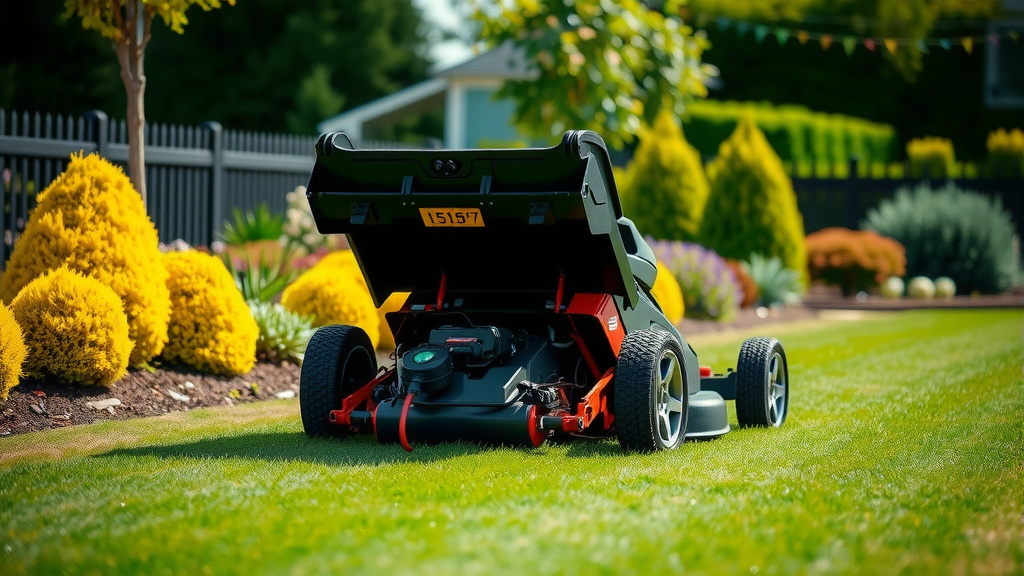
A standard propane conversion kit usually includes a propane regulator, which reduces the tank’s pressure. You’ll also find a fuel mixer or carburetor adapter that mixes the propane with air before it enters the engine. Fuel lines, fittings, and a bracket to hold the propane tank securely are also part of the package. It’s like giving your mower a whole new digestive system!
Is DIY Conversion a Good Idea?
Thinking of tackling this project yourself? While some mechanically inclined folks might consider a DIY approach, it’s really important to pause and assess the situation. Converting a fuel system is not like changing a tire; it requires precision and a deep understanding of engine mechanics.
Understanding the Risks
Working with fuel, especially a pressurized gas like propane, carries inherent risks. There’s a potential for gas leaks, which could lead to fire or even explosion if not handled correctly. Improper installation could also damage your engine or cause it to run inefficiently. We found that safety is paramount here.
When to Call a Professional
Many experts say that if you’re not experienced with fuel systems or feel uncomfortable, it’s best to seek professional help. A qualified mechanic can ensure the conversion is done safely and correctly, adhering to all necessary guidelines. This peace of mind is often worth the extra cost.
Let’s look at how gasoline and propane mowers stack up:
| Feature | Gasoline Mower | Propane Mower (Converted) |
|---|---|---|
| Fuel Type | Liquid Gasoline | Liquefied Petroleum Gas (LPG) |
| Emissions | Higher Pollutants | Lower Pollutants |
| Fuel Storage | Degrades, Requires Stabilizers | Indefinite Shelf Life, Sealed Tanks |
| Fuel Cost | Varies, Historically Cheaper Per Gallon | Varies, Can Be Cost-Effective Over Time |
| Maintenance | Carburetor Cleaning Common | Reduced Carburetor Issues |
The Conversion Process: A Quick Overview
So, what does the conversion actually look like? It’s not a single, simple step, but rather a sequence of modifications. Generally, it starts with disconnecting and draining the old fuel system components. Then, the new propane system is installed.
This includes mounting the regulator, attaching the fuel mixer or adapter to the carburetor area, and running the specialized fuel lines. Finally, the propane tank is connected, and the system is tested for leaks and proper engine function. It’s a bit like giving your mower a heart transplant, in a way!
Before You Start: A Checklist
Before you even think about unscrewing anything, here’s a quick checklist to guide you:
- Research compatible conversion kits for your specific mower model.
- Gather all necessary tools and safety equipment (gloves, eye protection).
- Ensure you have a well-ventilated workspace, away from ignition sources.
- Read the conversion kit instructions thoroughly, several times.
- Consider if you have the mechanical skill or if a professional is needed.
Common Challenges and Solutions
It’s natural to encounter a few bumps in the road during a conversion. One common challenge is finding the right kit for older or less common mower models. We found that not every mower is an ideal candidate for conversion.
Another issue can be adjusting the engine after the conversion to ensure it runs smoothly on propane. Sometimes, a fine-tuning of the air-fuel mixture is needed for optimal performance. Patience and careful adjustments are your best friends here.
Engine Compatibility Matters
Not all engines are created equal when it comes to propane conversion. Most kits are designed for 4-stroke engines, which are common in many push and riding mowers. Converting a 2-stroke engine can be significantly more complex due to their different lubrication and fuel delivery systems. Always verify engine type before purchasing a kit.
Cost of Conversion: What to Expect
Let’s talk dollars and cents. The initial cost of converting your lawn mower can vary. We found that conversion kits themselves typically range from $150 to $300, depending on the mower type and kit features. If you hire a professional, you’ll also factor in their labor costs, which could add another $100-$300 or more. It’s an investment upfront.
Long-Term Savings
So, is it worth it? Many people see the conversion as a long-term investment. Propane can sometimes be cheaper than gasoline, depending on local prices. You’ll also likely experience reduced engine wear and tear, meaning fewer carburetor cleanings and potentially extended engine life (National Renewable Energy Laboratory). Over time, these savings can really add up, offsetting the initial conversion cost.
Here’s a quick rundown of what you gain and what you might compromise:
- Pros:
- Reduced emissions for a cleaner environment.
- Fuel has an indefinite shelf life, avoiding spoilage.
- Potentially lower operating costs over time.
- Cleaner engine components, less maintenance on carburetor.
- Propane tanks are safer for storage than gasoline cans.
- Cons:
- Higher upfront conversion cost.
- Propane tanks add weight and bulk to the mower.
- Fewer fueling stations compared to gasoline.
- Requires careful installation; not a simple DIY task for everyone.
- Reduced engine power or performance in some cases.
Conclusion
Converting your lawn mower to propane is a journey that offers both environmental and practical benefits. While it’s an investment in time and money, the prospect of cleaner emissions, easier fuel storage, and potential long-term savings is quite appealing. Remember, safety and proper installation are key, often making a professional conversion the smartest path. Consider your mechanical aptitude, budget, and commitment to greener lawn care before making the switch. It’s a move that can truly make a difference, one mow at a time.
What kind of lawn mowers are best for propane conversion?
Generally, 4-stroke gasoline lawn mower engines are the most suitable for propane conversion. Their design is more compatible with the necessary fuel system modifications. Two-stroke engines are much more difficult to convert due to their different lubrication requirements and fuel mixing processes.
Will converting to propane reduce my mower’s power?
Some research indicates that converting to propane can result in a slight decrease in engine power or horsepower. This change is often minimal and may not be noticeable during typical lawn mowing tasks. Proper tuning of the conversion kit can help optimize performance and mitigate any power loss.
Is propane more expensive than gasoline for mowers?
The cost effectiveness of propane versus gasoline varies by region and current fuel prices. While propane might be cheaper per gallon equivalent in some areas, the initial investment in a conversion kit means it often takes time to recoup costs through fuel savings. Consider local prices and your mowing frequency.
How safe is it to store propane tanks for my mower?
Propane tanks are generally safe to store when handled correctly. They should be stored upright in a well-ventilated area, away from direct sunlight, heat sources, and ignition sources. Always ensure the tank valve is tightly closed when not in use and that tanks are not stored indoors in enclosed spaces like basements or living areas.
Can I switch back to gasoline after converting to propane?
Yes, many propane conversion kits are designed to be “dual fuel,” allowing your mower to run on either gasoline or propane. This involves having separate fuel systems that you can switch between. If the conversion permanently replaces your gasoline system, switching back would require reinstalling the original components, which can be complex.