How To Convert Lawn Mower To Mulcher?
On this page (5 sections)
To convert your lawn mower to a mulcher, you typically need to install a specialized mulching blade and a mulch plug or baffle kit. These components work together to finely chop grass clippings and return them to your lawn.
This process allows your existing mower to recycle nutrients back into the soil, promoting a healthier, greener lawn without the need for bagging and disposal.
Here’s a quick overview of how you can turn your regular lawn mower into a mulching powerhouse:
- Disconnect the spark plug for safety first.
- Clean your mower deck thoroughly before starting.
- Replace your standard blade with a specialized mulching blade.
- Install a mulch plug or baffle to keep clippings contained.
- Adjust your cutting height for optimal mulching results.
Do you dream of a lush, vibrant lawn that practically feeds itself? Many homeowners desire a greener yard without the hassle of bagging grass clippings. Converting your regular lawn mower into a mulcher is a fantastic way to achieve this, saving you time and giving your lawn a nutrient boost. It’s like giving your grass a tiny, natural snack every time you mow!
You might be thinking, “Is this complicated?” Not at all! With a few simple steps and the right parts, you can easily transform your machine. We often hear from gardeners who wish they had made this switch sooner. The benefits for your lawn are truly impressive, and the process is more straightforward than you imagine.
How To Convert Lawn Mower To Mulcher?
Converting your lawn mower to a mulcher involves swapping out a few key parts and making some minor adjustments. The main goal is to ensure the grass clippings are finely shredded and distributed evenly back onto your lawn. This allows for nutrient cycling, which is a big win for soil health (University of California Agriculture and Natural Resources).
Understanding Your Mower Type
Before you start, it’s helpful to know what kind of mower you have. Most walk-behind mowers are rotary mowers, which use a horizontal blade. Reel mowers operate differently and generally aren’t suitable for conversion. Your mower will likely be either a side-discharge model or one that bags clippings.
Side Discharge Mowers
If your mower throws clippings out the side, it’s a side-discharge model. For these, you’ll need a mulching blade and a cover to block the discharge chute. This cover ensures the clippings stay under the deck to be re-cut multiple times.
Bagging Mowers
Mowers designed for bagging usually have a rear discharge opening. You’ll need a mulching blade and a special plug for the bagging chute. This plug creates a closed system under the deck, allowing for better mulching action.
Essential Components for Mulching
Two main parts are crucial for a successful mulching conversion. These components work in harmony to transform your mower’s function. Without them, you won’t get the fine chop needed for effective nutrient return.
Mulching Blades – The Key Difference
A mulching blade looks different from a standard cutting blade. It has a more curved or toothed design, creating extra lift and multiple cutting surfaces. This unique shape allows the blade to chop the grass clippings into much smaller pieces, often described as “double cutting” them.
Mulch Plug or Baffle Kit
The mulch plug (sometimes called a baffle or block-off plate) is equally important. Our mulcher attachment guide explains how to fit it to the mower. It closes off the discharge opening, trapping the clippings under the mower deck. This ensures the clippings get shredded repeatedly by the mulching blade before falling back onto your lawn.
Step-by-Step Conversion Guide
Ready to get your hands a little dirty? This guide will walk you through each step. Remember, safety is always the first priority when working with machinery. Take your time and follow these instructions carefully.
Step 1: Safety First!
This is non-negotiable. Before doing anything else, disconnect the spark plug wire. This prevents the engine from accidentally starting while you’re working on the blades. Many experts say this is the most important step for preventing injuries (Consumer Product Safety Commission).
Step 2: Clean the Deck
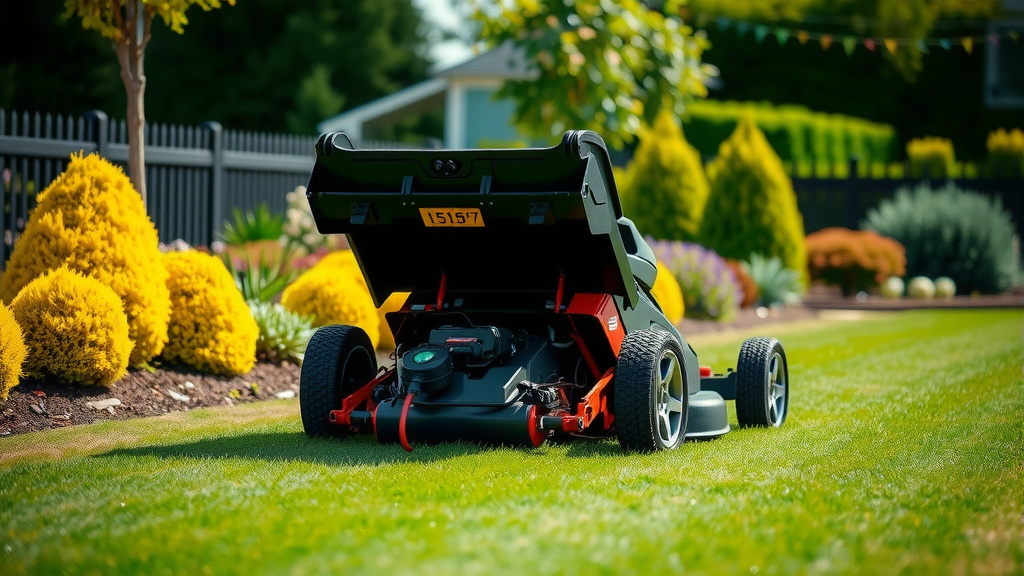
Flip your mower onto its side (making sure the air filter and carburetor are facing upwards to prevent oil/fuel leaks). Use a stiff brush or scraper to remove any caked-on grass and dirt from the underside of the deck. A clean deck allows the new components to fit properly and works more efficiently.
Step 3: Install the Mulching Blade
Carefully unbolt your existing blade. Make a note of which side faces up before you remove it. Now, align your new mulching blade correctly, ensuring the cutting edge faces the right direction. Tighten the blade bolt securely with a wrench, following your mower’s manual for torque specifications if available.
Step 4: Add the Mulch Plug/Cover
Locate the discharge chute or bagging opening on your mower. Install the mulch plug or baffle kit according to the manufacturer’s instructions. This usually involves snapping it into place or securing it with a few bolts. The goal is to seal off the discharge opening completely.
Step 5: Check Blade Height
For mulching, we found that a slightly higher blade setting often works best. Aim to cut off only about one-third of the grass blade at a time. This allows the mower to process the clippings efficiently without bogging down. Experiment to find your ideal height.
Here’s a quick checklist to ensure you covered everything:
- Spark plug wire disconnected?
- Deck cleaned thoroughly?
- Mulching blade securely installed?
- Mulch plug/cover in place?
- Blade height adjusted for mulching?
When Mulching is Best (and When to Bag)
Mulching is fantastic, but it’s not always the perfect choice. Knowing when to mulch and when to bag will give you the best lawn care results. Sometimes your lawn needs a different approach, and that’s perfectly okay.
Here’s a simple comparison to help you decide:
| Feature | Mulching | Bagging |
|---|---|---|
| Nutrient Return | Excellent (returns nitrogen, phosphorus, potassium) | Minimal (removes nutrients from lawn) |
| Time & Effort | Less (no bagging or disposal) | More (emptying bag, disposing clippings) |
| Lawn Appearance | Can improve soil health, less thatch with proper technique | Very neat, preferred for very tall grass or weeds |
| Best For | Regular mowing, dry grass, light growth | Overgrown lawns, wet grass, diseased grass |
Tips for Effective Mulching
Once you’ve converted your mower, these tips will help you get the most out of your new mulching setup. Proper technique makes all the difference for a healthy lawn. You want to make sure those clippings do their job!
- Mow Frequently: Cut often, so you’re only removing a small amount of grass (one-third rule). This ensures tiny clippings that decompose quickly.
- Mow Dry Grass: Wet grass clogs the mower and clumps, which isn’t good for mulching. Wait for your lawn to dry completely.
- Keep Blades Sharp: A sharp blade cuts cleanly, producing fine clippings. Dull blades tear the grass, leading to an unhealthy-looking lawn. We found dull blades cause significant stress to grass plants (Purdue Extension).
Common Challenges and Solutions
Even with the best setup, you might face a few common mulching issues. Don’t worry, these are usually easy to fix. Think of them as minor speed bumps on your path to a greener lawn.
Dealing with Thick or Tall Grass
If your grass is very long, don’t try to mulch it all at once. Make two passes: first at a higher setting, then at your desired mulching height. This reduces the amount of material the mower has to process, preventing clumping.
Managing Wet Grass
Wet grass is the arch-nemesis of mulching. It clumps, creating unsightly piles and potentially suffocating your lawn. If you must mow wet grass, consider bagging it instead. Or, wait until it’s dry for the best mulching results.
Maintenance for Your Mulching Mower
Just like any tool, your mulching mower needs a little love. Regular maintenance keeps it running efficiently. A well-maintained mower provides better results and lasts longer, saving you money in the long run.
- Sharpen Blades Regularly: Mulching blades work hard, so sharpen them every 20-25 hours of use, or at least once per season.
- Clean Under the Deck: After each use, scrape off grass clippings from under the deck. This prevents buildup, which can hinder mulching performance and cause rust.
- Check for Wear: Inspect the mulch plug and blades for any signs of damage or wear. Replace them as needed to maintain optimal performance.
Conclusion
Converting your lawn mower to a mulcher is a smart move for any homeowner looking to improve their lawn’s health and reduce yard work. By simply adding a mulching blade and a mulch plug, you turn your mower into a nutrient-recycling machine. This practical change not only saves you time on bagging and disposal but also contributes to a richer, more resilient lawn over time. Embrace the benefits of mulching, and watch your lawn thrive with minimal effort from you!
How often should I sharpen a mulching blade?
You should sharpen your mulching blade every 20-25 hours of operation or at least once per mowing season. A sharp blade ensures clean cuts and finely shredded clippings, which are crucial for effective mulching.
Can all lawn mowers be converted to mulchers?
Most rotary lawn mowers can be converted, especially walk-behind models. However, reel mowers are not suitable for mulching conversion. Always check your mower’s manual or manufacturer’s website for compatibility with mulching kits.
What if my lawn still looks clumpy after mulching?
Clumpy results usually mean the grass was too tall, too wet, or your blade is dull. Try mowing more frequently, waiting for dry conditions, or sharpening/replacing your mulching blade. You might also be cutting too much off at once.
Will mulching cause thatch buildup on my lawn?
No, mulching typically does not cause thatch buildup. Grass clippings are mostly water and break down quickly, returning nutrients to the soil. Thatch is usually caused by excessive plant material that decomposes slowly, like roots and stems, not finely mulched clippings.
Do I need a special engine for mulching?
No, you generally don’t need a special engine. Your existing lawn mower engine should be sufficient. However, mulching can sometimes put slightly more strain on the engine than standard bagging, so ensuring your engine is well-maintained and in good working order is always a good idea.