
How To Empty Lawn Mower Bag?
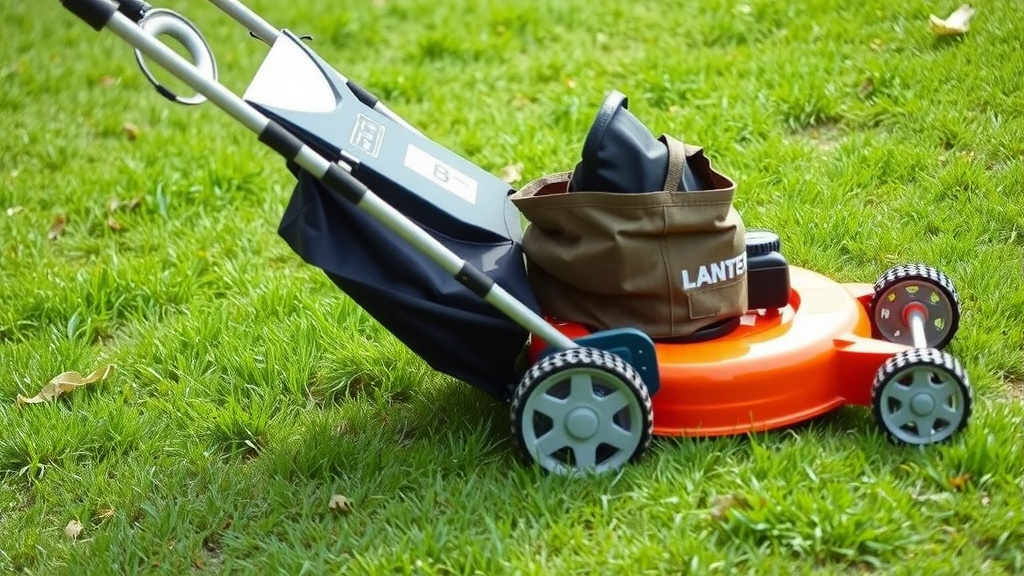
To empty your lawn mower bag, you first turn off the mower and disconnect the spark plug to ensure safety. Then, unclip the bag from its housing, carry it to your compost pile or waste bin, and gently shake out the grass clippings.
Many experts suggest waiting until your grass clippings bag is about two-thirds full before emptying to optimize your mowing time and prevent overflowing.
Here’s a quick summary of what you need to know about emptying your lawn mower bag:
- Always prioritize safety: turn off your mower and disconnect the spark plug.
- Carefully remove the grass bag from its attachment point on the mower.
- Empty clippings into a compost pile, garden bed, or designated waste bin.
- Clean the bag regularly to maintain proper airflow and prevent mold buildup.
- Consider mulching as an alternative to bagging for returning valuable nutrients to your lawn.
How To Empty Lawn Mower Bag?
Emptying your lawn mower bag involves a few simple, safe steps: power down, remove the bag, and dispose of clippings properly. It’s an easy chore that keeps your lawn healthy and your mower running efficiently.
Why Bother Emptying Your Mower Bag Promptly?
Think of your lawn mower bag like a car’s gas tank; it needs regular attention. A full bag slows your mower down, putting strain on the engine. It also leaves behind messy clumps of grass, which nobody wants on a freshly cut lawn. Keeping it empty ensures a clean, efficient cut every time.
Safety First: Your Top Priority
Before you even think about touching that grass bag, safety is non-negotiable. We found that most lawn mower injuries occur during routine maintenance (National Safety Council). Always turn off the engine. If you have a gas mower, disconnect the spark plug. For electric models, unplug it. This prevents any accidental starts. It’s like putting a car in park before getting out.
Gather Your Tools: What You Might Need
You don’t need a toolbox for this job, but a few items can help. Gloves are a good idea to protect your hands from grass stains and any errant debris. A stiff brush might be handy for cleaning the bag later. Sometimes, having a trash can or wheelbarrow close by makes the transfer much easier. Do you have everything ready?
Step-by-Step Guide to Emptying Your Bag
Ready to get those clippings out? Let’s walk through it together. It’s a quick process once you get the hang of it.
1. Position Your Mower Safely
Park your mower on a flat, stable surface. This makes it easier to access the bag without any wobbling. Make sure the engine is off and cool to the touch. This prevents accidental burns.
2. Disconnect and Remove the Bag
Most lawn mower bags attach with clips or hooks. Gently unlatch or unhook the bag from its mounting points. Sometimes, you might need to lift a flap or cover. Lift the bag away from the mower carefully. It might be heavy if it’s full of wet grass.
3. The Art of Emptying the Clippings
Carry the bag to your chosen disposal spot. Hold the bag upside down, allowing gravity to do most of the work. Give it a good shake or two to dislodge any stubborn clippings. If the grass is wet, it might stick a bit more. Many people find shaking it vigorously helps. Imagine you’re trying to empty sand from a bucket.
4. Reattach the Bag Securely
Once empty, return the bag to its original position on the mower. Make sure all clips and hooks are securely fastened. A properly attached bag prevents clippings from escaping and keeps the mower balanced during operation. Does it feel snug and firm?
When to Empty: Don’t Wait Too Long!
When is the ideal time to empty? The general rule is when it’s about two-thirds full. If you wait until it’s completely packed, it becomes heavier and harder to handle. Plus, a completely full bag reduces airflow, leading to less effective bagging and potentially leaving grass trails on your lawn. You might even notice your mower struggling or making unusual noises.
Here’s a quick checklist for knowing when to empty:
- The bag appears visibly full.
- Your mower is leaving behind grass clippings.
- The mower sounds strained or works harder.
- You notice a decrease in cutting performance.
- The bag feels heavy when you try to lift it slightly.
Where Do Those Clippings Go?
Once you’ve got a bag full of green goodness, where does it all go? You have several options, depending on your preferences and local regulations.
| Disposal Method | Description | Pros | Cons |
|---|---|---|---|
| Compost Pile | Add clippings to your compost bin for nutrient-rich soil. | Eco-friendly, creates free fertilizer. | Requires a compost bin, takes time. |
| Garden Beds | Spread a thin layer around plants as mulch. | Adds nutrients, suppresses weeds. | Can compact if too thick, may attract pests. |
| Waste Bin | Place in your regular yard waste bin for collection. | Convenient, no extra effort. | Doesn’t repurpose clippings, potentially extra cost. |
Keeping Your Mower Bag Clean and Tidy
A clean bag isn’t just for looks; it helps your mower perform better. Over time, grass and dirt can build up, restricting airflow. This makes bagging less effective. Many experts recommend hosing out your bag periodically (Cornell University Extension). Let it dry completely in the sun to prevent mold and mildew. A little elbow grease goes a long way here.
Troubleshooting Common Bagging Issues
Sometimes, things don’t go as smoothly as planned. Have you ever noticed your mower spitting grass out the side, even with the bag attached? This could mean the bag isn’t properly sealed. Another common problem is a clogged chute. If wet, heavy grass packs into the chute, it won’t reach the bag. Always clear any clogs safely after turning off the mower. Use a stick, not your hands!
Consider Mulching: An Alternative to Bagging
While bagging is great for a super tidy lawn, mulching is a fantastic alternative. A mulching mower cuts grass into tiny pieces, returning those nutrients directly to your lawn. This means less work for you, as you don’t have to empty a bag! Research shows mulching can improve lawn health over time (USDA). It’s like giving your lawn a natural fertilizer boost.
Conclusion
Emptying your lawn mower bag is a simple yet vital part of lawn maintenance. By following these easy steps, you ensure your mower runs efficiently, your lawn looks pristine, and you stay safe. Remember, a little attention to detail now saves you bigger headaches later. So go ahead, conquer those clippings, and enjoy your beautiful, healthy lawn!
Frequently Asked Questions About Emptying Lawn Mower Bags
How often should I empty my lawn mower bag?
You should aim to empty your lawn mower bag when it’s about two-thirds full. This prevents the mower from becoming bogged down and ensures efficient grass collection. If you’re cutting tall or wet grass, you might need to empty it more frequently.
What if the grass clippings are wet and stick inside the bag?
Wet grass clippings are notoriously difficult to empty. Try to mow when the grass is dry. If you must mow wet grass, give the bag a more vigorous shake. You might also need to use a stiff brush or a gloved hand to loosen stubborn clumps after emptying.
Can I just leave the grass in the bag until the next mow?
Leaving grass in the bag isn’t ideal. It can compact, mold, and start to smell bad. This can also attract pests. For the best performance and hygiene, empty and clean the bag after each use, or at least let it dry out thoroughly if you can’t empty it immediately.
Is it better to bag or mulch grass clippings?
Both bagging and mulching have benefits. Bagging gives a very neat finish, while mulching returns nutrients to your lawn, acting as a natural fertilizer. For many, mulching is preferred for its environmental and convenience benefits, but sometimes bagging is needed for disease control or to reduce thatch buildup.
How do I know if my lawn mower bag is properly attached?
A properly attached bag will feel secure and stable. It shouldn’t wiggle or have large gaps where grass could escape. Most bags click or hook into place firmly. If you notice clippings escaping from places other than the bottom of the bag, it might not be seated correctly.
