
How To Estimate Lawn Mowing?
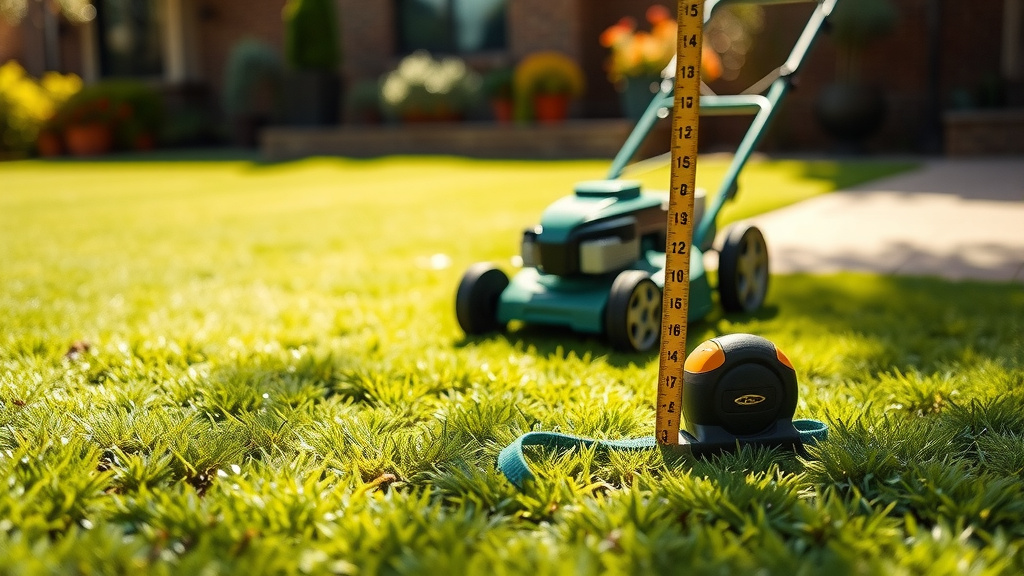
To estimate lawn mowing, you first need to measure the lawn’s size in square feet or acres, then consider factors like grass height, terrain complexity, and any extra services like edging or blowing.
This helps determine the time needed and the appropriate pricing model, whether it’s hourly, per square foot, or a flat rate for the job.
Here’s a quick summary to help you get started:
- Measure your lawn’s area to get a baseline size.
- Assess lawn conditions like grass height and obstacles.
- Consider what equipment will be used for the job.
- Factor in travel time and any additional services required.
- Choose a suitable pricing model like hourly or a flat rate.
How To Estimate Lawn Mowing?
Estimating lawn mowing involves looking at several practical elements that affect how long the job takes and what resources are needed.
You’ll combine your lawn’s specifics with common pricing structures to find a fair cost.
Why Does Lawn Mowing Estimation Matter?
Knowing how to estimate lawn mowing helps you understand the true value of the service, whether you’re a homeowner looking to hire or a professional setting prices.
It brings clarity and helps you budget effectively for maintaining a beautiful outdoor space.
Key Factors That Shape Your Estimate
Estimating a lawn mowing job isn’t just about the grass itself. Many elements play a role in the final price and time investment.
Thinking about these upfront helps prevent surprises and ensures a fair and accurate quote.
Lawn Size: The Biggest Driver
The total area of your lawn is usually the primary factor in any estimate. A larger lawn naturally takes more time and fuel to mow.
You can measure your lawn using online tools, a tape measure, or even by pacing it out for a rough idea (USDA recommends using tools for accuracy).
Lawn Condition: More Than Just Grass
Is the grass unusually tall? Are there lots of weeds or thick patches? These conditions slow down the mowing process significantly.
Slopes, uneven ground, and tight corners also require more skill and time, often needing smaller, specialized equipment, we found.
Equipment Used: Big Impact on Speed
The type of mower makes a difference. A large commercial zero-turn mower can cover ground much faster than a standard push mower.
Many experts say that using the right equipment for the job can cut down on labor hours and improve efficiency.
Additional Services: Beyond the Cut
Most lawn care packages aren’t just about mowing. They often include edging along driveways and walkways, trimming around obstacles, and blowing clippings off hard surfaces.
These extra tasks add value but also add to the total time and, therefore, the cost.
Travel Time: Don’t Forget the Drive
If you’re hiring a service, the time it takes for them to get to your property and back to their base impacts their operational costs.
Some companies factor this into a flat rate, while others might add a small travel fee, especially for distant locations.
Popular Methods to Estimate Lawn Mowing Costs
Different approaches work best for different situations and business models. Understanding them helps you grasp how your final price is reached.
It’s all about finding a method that is transparent and makes sense for everyone involved.
Hourly Rate: Paying for Time
This method charges based on the time spent on your property. It’s simple: the longer the work takes, the more you pay.
It’s often used for properties with unpredictable conditions or when extra tasks are frequently added (Cleveland Clinic).
Per Square Foot: A Common Calculation
Many professionals price their services by the square foot or per acre. This provides a very consistent way to charge, especially for regularly shaped lawns.
It requires an accurate measurement of your lawn’s area but offers a clear, calculable price upfront.
Flat Rate: Predictable and Simple
A flat rate is a single price for the entire job, regardless of minor time fluctuations. This is popular because it offers predictable billing for both parties.
It usually comes after an initial assessment of the lawn’s size and condition, giving you peace of mind.
Crafting Your Own Mowing Estimate Checklist
To ensure you don’t miss anything important when getting or giving an estimate, a simple checklist can be incredibly useful.
It helps organize your thoughts and ensures all critical details are covered.
Here’s a checklist to guide your estimation process:
- Measure your total lawn area (square feet or acres).
- Note any steep slopes or difficult-to-reach areas.
- Count obstacles like trees, flowerbeds, or garden decor.
- Assess the current grass height and overall health.
- List desired additional services (edging, trimming, blowing).
- Consider access points and potential travel time impact.
Tools to Help You Estimate Accurately
Modern technology offers some fantastic resources to help you get more precise estimates without needing to walk the entire property with a tape measure.
These tools can save time and effort, making the estimation process much smoother.
Many online mapping services allow you to trace your property boundaries and get an instant measurement of your lawn area.
Some specialized apps even calculate obstacles and offer features for generating detailed quotes (NIH research often cites the utility of digital mapping in various field calculations).
| Factor | Impact on Estimate | Common Solutions |
|---|---|---|
| Lawn Size | Larger area = more time/cost | Per square foot pricing, larger mowers |
| Grass Height | Overgrown grass = slower, extra passes | Higher initial cut fee, frequent service |
| Obstacles | Requires trimming, careful maneuvering | Added time for detail work |
| Slope/Terrain | More difficult, specialized equipment | Increased labor rate, specific mower types |
Avoiding Common Estimation Traps
Even with good intentions, it’s easy to make mistakes when estimating. Being aware of these common pitfalls can help you provide or receive a more realistic quote.
Overlooking small details can quickly lead to big discrepancies in the final cost or expected time.
One common mistake is underestimating the time for detail work, like intricate edging or clearing debris before mowing. Many experts agree that these “small” tasks often add up.
Another trap is not clearly defining what’s included in the service. Always confirm if tasks like bag clipping removal or flower bed weeding are part of the initial estimate.
Conclusion
Estimating lawn mowing costs doesn’t have to be a guessing game. By carefully considering factors like lawn size, its current condition, and any extra services, you can arrive at a fair and accurate price.
Whether you use an hourly rate, a per-square-foot model, or a flat rate, clear communication and a thorough assessment are key to a successful lawn care partnership.
How do I measure my lawn accurately for an estimate?
You can use online satellite mapping tools, which allow you to trace your lawn’s perimeter and automatically calculate the area in square feet or acres. For smaller yards, a measuring tape can give you a precise measurement.
Should I get a flat rate or hourly rate for lawn mowing?
A flat rate offers predictable costs, ideal for standard lawns with consistent service needs. An hourly rate is more suitable for complex yards, overgrown grass, or jobs where the scope of work might change, providing flexibility and fairness for varying effort.
Does grass height really affect the mowing estimate?
Yes, significantly. Taller, overgrown grass requires more effort, potentially multiple passes with the mower, and may even demand specialized equipment. This increased labor and fuel consumption will typically result in a higher estimate compared to regularly maintained grass.
What “additional services” usually impact a lawn mowing estimate?
Common additional services include edging along driveways and sidewalks, trimming around trees and garden beds, blowing clippings off hard surfaces, and sometimes even weeding or removing small debris. Each of these adds time and effort to the job, increasing the overall cost.
How can I ensure my lawn mowing estimate is fair?
To ensure a fair estimate, be clear about your lawn’s specifics, ask what’s included in the price, and get quotes from a few different providers. Compare their services and costs, and don’t hesitate to ask questions about how they arrived at their pricing.
