
How To Flip A Lawn Mower?
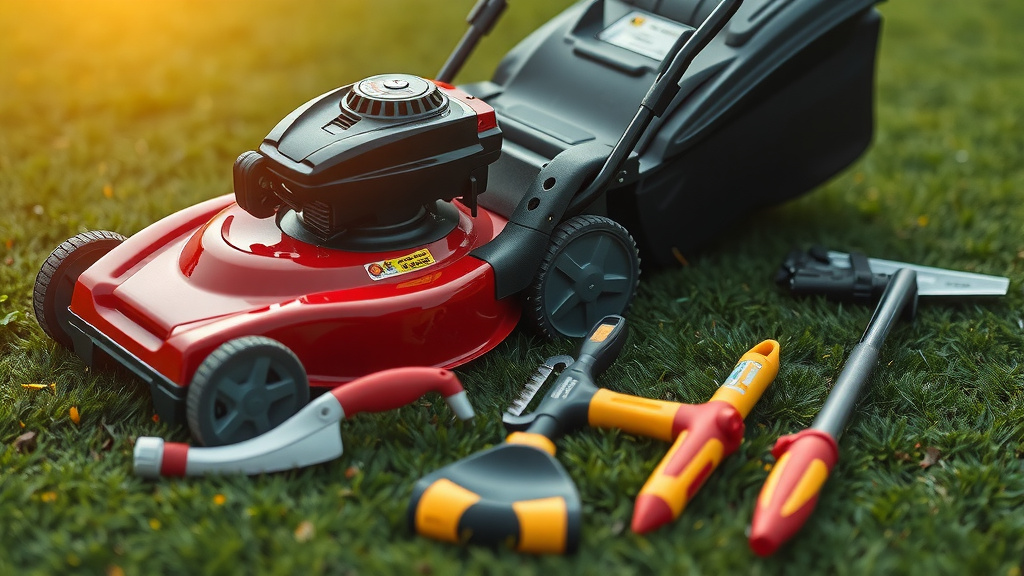
You can safely flip a lawn mower by always tilting it with the carburetor side facing upwards to prevent fuel and oil from leaking into the engine’s sensitive components.
Before attempting to flip a lawn mower, drain all gasoline and engine oil, disconnect the spark plug wire, and clear the work area for your safety.
- Get your lawn mower ready by draining all fluids and disconnecting the spark plug.
- Always tip a walk-behind mower so the carburetor is on the high side to prevent issues.
- Use proper lifting techniques or mechanical aids for heavier riding mowers.
- Inspect for damage or clogs underneath once the mower is safely stable.
How To Flip A Lawn Mower?
Flipping a lawn mower means tilting it on its side to access the underside for maintenance or cleaning. It’s a common task, but doing it wrong can cause significant engine damage or even personal injury.
Safety First: Your Top Priority
Think of flipping your mower like working with any powerful machine: safety comes first. Many people overlook simple steps, leading to unexpected problems (OSHA guidelines often stress pre-task safety checks).
The Dangers of Improper Flipping
Picture this: you tip your mower, and suddenly, gasoline pours out. This is a common hazard. Fuel can leak, oil can flood the air filter, or even worse, the blade could accidentally start if the spark plug isn’t disconnected.
Preparing for the Flip
Preparation is key. Just like a chef preps their ingredients before cooking, you need to prep your mower. This makes the job safer and cleaner for everyone involved.
Empty Fuel and Oil
We found that draining fluids is a critical step. Gasoline and oil will inevitably spill if not removed. Use appropriate containers for collection; don’t just let them run onto the ground.
Disconnect the Spark Plug
This is a non-negotiable step. Imagine your mower’s blade as a sleeping dragon. Disconnecting the spark plug wire is like removing its teeth, ensuring it can’t accidentally bite you. It removes any chance of the engine starting unintentionally.
Clear the Area
Look around your workspace. Are there toys, tools, or pets nearby? Clear them away. You need a stable, flat surface with plenty of room to move around safely.
What Tools Do You Need?
You don’t need a fancy workshop, but a few basic items will help. Gloves protect your hands, and a drain pan catches any stray drips of fluid.
- Sturdy work gloves
- Wrench (for spark plug and drain plugs)
- Container for draining oil and fuel
- Stable blocks or a jack (for riding mowers)
- Eye protection (always a good idea!)
Step-by-Step Guide to Flipping Your Mower
This guide breaks down the process for different mower types. Remember, a push mower is far different from a riding mower in terms of weight and stability.
Checking Your Mower Type
Before you even think about tilting, identify your mower. Is it a small push mower or a heavy-duty riding tractor? The approach changes significantly based on the machine’s size and weight.
Flipping a Walk-Behind Mower
With walk-behind mowers, the rule is simple: carburetor up. Most engines are designed to handle being on their side this way. This position helps prevent oil from flowing into unwanted engine parts (many repair manuals confirm this).
Here’s how we found it’s best to do it:
- Ensure all fluids are drained and the spark plug is disconnected.
- Stand on one side of the mower.
- Grip the handles firmly.
- Slowly and carefully tilt the mower onto its side.
- Make sure the air filter and carburetor are always facing upwards.
Handling a Riding Mower
Riding mowers are much heavier. You cannot simply tip them over. Experts often recommend using a specialized mower jack or sturdy ramps designed for vehicle maintenance (check your owner’s manual for specific instructions).
| Mower Type | Safe Flipping Direction | Key Considerations |
|---|---|---|
| Walk-Behind | Carburetor side UP | Drain fluids, disconnect spark plug. |
| Riding Mower | Lifted via jack/ramps | Extreme caution, secure wheels, specialized tools. |
The Actual Flipping Technique
Good body mechanics prevent injury. Don’t strain your back. If the mower feels too heavy, get help. A second person can make the lift much easier and safer.
What to Look For Underneath
Once your mower is safely flipped, take a good look. This is your chance to inspect the blade for damage, check for grass buildup, or look at belts and pulleys. It’s like checking the sole of your shoe for problems.
Post-Flip Care and Maintenance
After you’ve done your work underneath, gently lower the mower back to its normal position. Reconnect the spark plug wire. Then, refill the oil and gas (if you drained them).
Check for Leaks
Before you even think about starting the mower, wait a few minutes. Check for any leaks. Sometimes, a seal might have been disturbed. Better safe than sorry, right?
Common Mistakes to Avoid
We’ve seen people make the same errors repeatedly. Not draining fluids is number one. Tipping the mower on the wrong side is another. Rushing the process also leads to mistakes.
Before You Start, Check This List:
- Did you drain the fuel?
- Is the oil drained or contained?
- Is the spark plug wire disconnected?
- Is your work area clear and stable?
- Do you have proper lifting support if needed?
Conclusion
Flipping a lawn mower correctly is a manageable task when you follow the right steps. Prioritizing safety, preparing thoroughly, and understanding your mower’s specific needs will make the job straightforward. You’ll gain access for necessary maintenance, keeping your lawn mower running smoothly and effectively for seasons to come.
How do I know which side is the carburetor side on my lawn mower?
The carburetor is usually located on the side of the engine where the air filter housing is. You will often see a black or colored plastic housing covering the air filter, and the carburetor will be directly behind or below it.
What if I accidentally tip my mower on the wrong side and oil leaks?
If oil leaks into the air filter or exhaust, stand the mower upright immediately. You may need to replace the air filter and allow any oil in the exhaust to burn off (which might create some smoke initially) before the mower runs normally. Many experts say to avoid starting it if a significant amount of oil leaked.
Can I flip my electric lawn mower?
Yes, you can flip an electric lawn mower. Since there are no fluids like gasoline or oil, the primary concern is disconnecting the power source (removing the battery or unplugging the cord) to prevent accidental blade activation during maintenance.
How often should I flip my lawn mower for maintenance?
It’s generally recommended to inspect the underside of your lawn mower at least once a season or every 25 hours of operation. This allows you to check the blade, clean grass buildup, and ensure everything is in good condition (we found this is common advice from manufacturers).
Is it better to use a jack or ramps for a riding mower?
Both jacks and ramps can work, but a dedicated riding mower jack offers more stability and easier access to the entire underside. Ramps are good for getting under the front or back, but ensure they are rated for the mower’s weight and are on a flat, solid surface (many professionals prefer jacks for safety).
