
How To Lock Up A Lawn Mower?
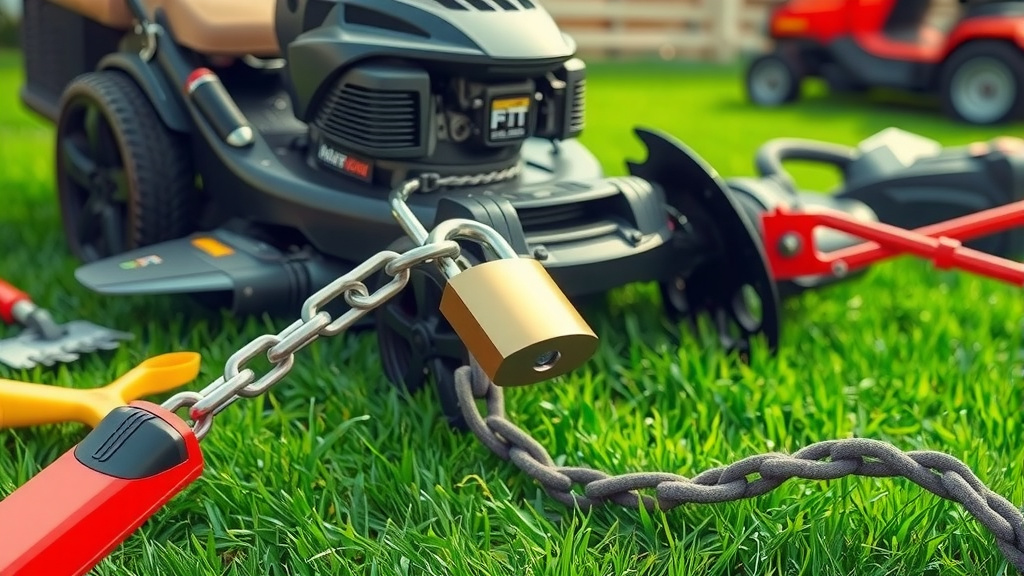
To lock up a lawn mower, you should always secure it within a locked shed or garage, using a robust padlock for the door and, for extra security, employing a heavy-duty chain or cable to anchor the mower to an immovable object.
Protecting your lawn mower from theft involves a multi-layered approach, combining secure storage, physical restraints like chains, and smart tracking technology.
Here’s a quick look at how to keep your lawn mower safe:
- Always store your mower in a locked shed or garage.
- Use a heavy-duty chain or cable lock to secure it to a fixed point.
- Consider adding a GPS tracker for recovery assistance if stolen.
- Keep a record of your mower’s serial number and photos.
- Brighten your storage area with motion-sensor lighting.
How To Lock Up A Lawn Mower?
Securing your lawn mower means making it tough for thieves to take it. We found that a blend of strong physical barriers and smart tech offers the best defense.
Understanding the Threat: Why Mowers Are Targeted
You might think, “Who would steal a lawn mower?” But the reality is, mowers are surprisingly valuable items. They’re often easy to access and simple to resell. Many experts say that opportunistic theft is quite common (National Crime Prevention Council).
The Appeal to Thieves
Think about it: a quality lawn mower costs a good chunk of change. Plus, they’re relatively portable. A quick grab from an unlocked shed can yield a fast profit for thieves, making them attractive targets.
Your First Line of Defense: Secure Storage
The most basic step to protecting your mower is where you keep it. Is your shed or garage a fortress, or an open invitation?
Locking Up Your Shed or Garage
Always use a strong, high-quality padlock on your storage building. We found that a disc padlock offers good resistance against bolt cutters. Don’t forget to reinforce the door hinges if they look flimsy.
Consider upgrading your garage door. Many guidelines point to reinforced garage doors and secure locking mechanisms as a crucial deterrent (Consumer Reports).
Physical Restraints: Chains and Cables
Even with a locked shed, adding a physical restraint to the mower itself is a smart double-check. It makes it harder to simply roll away.
Choosing the Right Chain or Cable
You’ll want a heavy-duty, hardened steel chain or cable. The thicker, the better. Look for chains with links that are difficult to cut with standard bolt cutters.
Research often connects thicker chains with increased theft prevention. Don’t skimp here; a cheap chain is hardly a deterrent.
Anchoring Your Mower
Where do you attach the chain? Find an immovable object inside your storage space. This could be a ground anchor bolted into concrete, or even a sturdy, built-in workbench that can’t be moved.
Imagine a thief trying to wrestle your mower free. If it’s chained to something solid, it creates a real headache for them, hopefully sending them packing.
Making It Hard to Move: Wheel Locks and Kill Switches
Beyond chains, there are other clever ways to immobilize your mower.
Wheel Clamps and Locks
Think of them like car wheel clamps, but for your mower. A wheel clamp can prevent the mower from being rolled away easily. These are especially useful for ride-on mowers.
Ignition Kill Switches
For ride-on mowers, installing a hidden kill switch can prevent the engine from starting. It’s a simple electrical modification that can stop a thief dead in their tracks.
High-Tech Solutions: GPS Tracking and Alarms
Sometimes, prevention isn’t enough. Technology can help you recover your mower if it does go missing.
GPS Trackers for Recovery
A small, hidden GPS tracker can be a game-changer. If your mower is stolen, you can track its location in real-time. We found many property owners successfully recover items using these devices.
Motion-Activated Alarms
Small, battery-operated alarms can be placed inside your shed or even directly on the mower. If triggered, they emit a loud, startling sound, alerting you and scaring off intruders.
Deterrence Through Visibility and Records
Sometimes, just making your property less appealing to thieves is enough.
The Power of Good Lighting
Darkness provides cover. Installing motion-sensor lights around your shed or garage entrance can deter thieves. They prefer to operate unseen, right?
Keeping Good Records
Always keep a record of your mower’s serial number, make, and model. Take clear photos from different angles. This information is crucial for police reports and insurance claims. Many law enforcement agencies recommend this step.
Here’s a quick checklist to secure your mower:
- Double-check your shed/garage door and lock.
- Invest in a strong chain and anchor point.
- Consider a wheel lock or kill switch.
- Think about adding a GPS tracker.
- Install motion-sensor lighting.
- Document your mower’s details and serial number.
Comparing Security Options
It helps to see what each security method offers. Think about your budget and how much risk you’re willing to take.
| Security Method | Cost Range | Effectiveness | Ease of Setup |
|---|---|---|---|
| Padlocks (High-Quality) | $20 – $70 | High (basic deterrent) | Easy |
| Chains & Anchors | $40 – $150 | Very High (physical barrier) | Moderate |
| Wheel Locks/Clamps | $30 – $100 | High (immobilizes) | Easy |
| GPS Trackers | $50 – $200 + Subscription | Very High (recovery aid) | Moderate |
| Motion Lights | $20 – $80 | High (visual deterrent) | Easy |
Conclusion
Protecting your lawn mower doesn’t have to be a huge chore. By combining common-sense storage practices with a few smart security measures, you can significantly reduce the risk of theft. Think of it as creating layers of defense: a secure shed, a strong chain, and maybe a little tech help for peace of mind. Your mower is an investment, and a little effort now can save you a lot of hassle later.
How often should I check my mower’s security?
It’s a good idea to check your mower’s security measures periodically, perhaps once a month, especially after harsh weather. Just a quick visual inspection ensures everything is still locked and in good working order.
Can a simple tarp cover protect my lawn mower from theft?
A tarp cover offers no real security against theft. It might hide the mower from casual view, but it won’t stop a determined thief. Think of it as camouflage, not a lock.
Are there specific types of locks that are better for outdoor use?
Yes, for outdoor use, look for padlocks that are weather-resistant. Many experts recommend models made from stainless steel or brass, often with a shackle guard to prevent easy cutting. These resist rust and remain functional.
Should I remove the spark plug when storing my lawn mower?
Removing the spark plug is a good safety practice, as it prevents accidental starting. While it adds a tiny layer of “immobilization,” a thief can easily replace it. Its main benefit is safety, not theft deterrence.
Is it worth engraving identifying marks on my lawn mower?
Engraving unique marks or your driver’s license number on your mower can be a smart move. It makes it harder for thieves to resell and easier for law enforcement to identify and return your property if it’s recovered.
