
How To Lower A Lawn Mower For Racing?
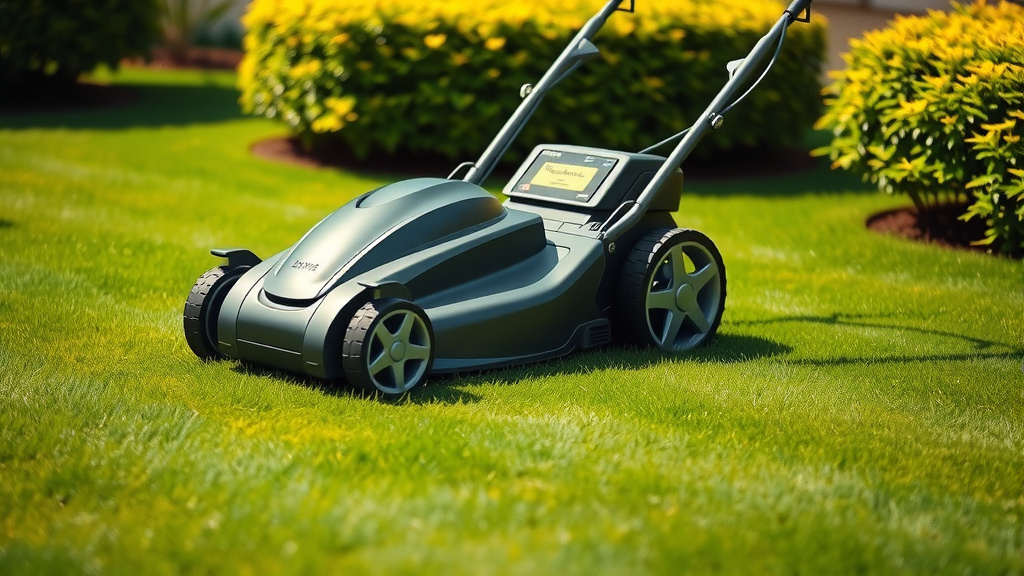
To lower a lawn mower for racing, you typically modify its suspension components or alter the wheel and axle setup. The main goal is to reduce the center of gravity, which significantly improves stability and cornering performance on the track.
This modification often involves cutting or replacing suspension springs, adjusting spindle heights, or even changing to smaller diameter tires to achieve a lower stance. Always prioritize safety and precise measurements during the process.
- You’ll reduce the mower’s center of gravity for better race stability.
- Methods include modifying springs, spindles, or tire sizes.
- Specialized tools are a must for safe and effective lowering.
- Safety checks and proper testing are absolutely essential after any changes.
- Always aim for improved handling and control, not just a lower look.
How To Lower A Lawn Mower For Racing?
Lowering a lawn mower for racing primarily involves adjusting its suspension and wheel height. We found that the core idea is to bring the mower’s weight closer to the ground. This change creates a more stable machine, especially when you’re taking sharp turns on the racecourse.
Why Bother Lowering Your Racing Mower?
Imagine a tall object versus a shorter one; which is easier to tip over? The taller one, right? The same principle applies here. A lower center of gravity makes your mower less prone to rollovers. Many experts say this adjustment also allows for faster cornering speeds, giving you a competitive edge (Sports Engineering studies).
Safety First: Before You Start
Before grabbing any tools, make sure you understand the risks. Working with heavy machinery can be dangerous. Always wear appropriate safety gear, like gloves and eye protection. Also, ensure your mower is off and the spark plug wire is disconnected. This prevents any accidental starts.
Essential Tools You’ll Need
Having the right tools makes the job smoother and safer. You’ll need a good jack and jack stands to securely lift the mower. A set of wrenches, sockets, and a grinder or cutting tool will also be crucial. Don’t forget a measuring tape for precise adjustments.
Understanding Your Mower’s Suspension
Most racing mowers, especially those starting as conventional models, have a basic suspension system. This usually involves springs and sometimes shocks. Your approach to lowering will depend heavily on what kind of setup your mower currently has. Some frames are easier to modify than others.
Method 1: Modifying Springs and Shocks
One common way to lower the front or rear of your mower is by altering the springs. You might cut existing springs to make them shorter. We found that some racers also replace stock springs with stiffer, shorter aftermarket options. This can give you a noticeable drop.
When cutting springs, you need to be very careful. Remove the spring, measure precisely, and cut small amounts at a time. Too much, and you can’t go back. Remember, this affects the ride quality and how the mower handles bumps.
Method 2: Spindle Adjustments
The spindles are the parts that connect your wheels to the axle. On some mowers, you can modify or replace the spindles to lower the wheel attachment point. This is often a more involved process than just cutting springs. It might require welding or specialized fabrication.
Front Axle Drop
For the front axle, you might fabricate a dropped axle. This involves cutting the existing axle and adding a section that drops the wheels lower. This modification requires welding skills and careful alignment. A misaligned axle can cause serious handling problems.
Method 3: Changing Tire and Wheel Size
This is often the simplest method for a slight drop. Switching to smaller diameter tires will naturally lower your mower. Consider the width and grip as well. Smaller tires also reduce your overall gear ratio, potentially affecting top speed and acceleration. Many experts say that tire choice is a fine balance.
Balancing Front and Rear Adjustments
You can’t just lower one end and ignore the other. A balanced approach is key. Lowering only the front can make the rear feel too high, reducing stability. Aim for an even drop or a slight rake, where the front is a little lower than the rear. This can improve steering response (Automotive Engineering research suggests).
Creating a “Rake” for Performance
A slight forward rake, meaning the front is marginally lower than the rear, can sometimes improve steering feel and front-end grip. This is a subtle adjustment that racers often fine-tune after initial lowering. It’s about finding that sweet spot for your driving style.
Checking Wheel Alignment and Toe
After any significant suspension or axle modifications, your wheel alignment will be off. This is a critical step. Incorrect alignment can lead to poor handling, excessive tire wear, and an unpredictable ride. You’ll need to adjust the tie rods to set the toe correctly. This ensures your wheels are pointing straight.
Here’s a quick checklist for your post-lowering setup:
- Check for proper wheel clearance.
- Ensure steering linkage moves freely.
- Verify all bolts and nuts are tightened.
- Inspect for any new rubbing points.
- Test steering lock-to-lock without interference.
Test Driving and Fine-Tuning
Never take a newly modified mower straight to the track. Always perform a test drive in a safe, open area. Start slowly. Feel how the mower handles turns, bumps, and stops. You might need to make small adjustments to spring tension or alignment to get it just right.
| Lowering Method | Pros | Cons | Difficulty |
|---|---|---|---|
| Cutting Springs | Relatively simple; quick height adjustment. | Can reduce ride quality; permanent change. | Medium |
| Spindle Modifications | Precise drop; maintains spring travel. | Requires welding/fabrication skills; more complex. | Hard |
| Smaller Tires | Easiest method; quick to reverse. | Limited drop amount; affects gear ratio. | Easy |
| Dropped Axle | Significant, consistent drop. | Extensive fabrication; alignment challenges. | Very Hard |
Conclusion
Lowering your lawn mower for racing is a practical modification that can greatly improve its performance and stability on the track. By reducing the center of gravity, you gain better handling and a more competitive edge. Whether you choose to modify springs, adjust spindles, or swap out tires, always prioritize safety and precision. Take your time, use the right tools, and thoroughly test your machine. You’re building a race-ready mower, so every detail counts for a smooth, fast, and safe ride.
What’s the ideal ground clearance for a racing lawn mower?
Many racing circuits allow very low ground clearances, often just a few inches. The ideal height depends on track conditions and rules. Generally, you want it as low as possible without scraping the track or interfering with steering and suspension travel.
Does lowering a mower affect its turning radius?
Lowering a mower itself might not directly change the turning radius. However, modifications to the steering geometry or wheel alignment during the lowering process can definitely affect it. Always check your steering lock-to-lock after adjustments.
Can I lower a zero-turn mower for racing?
Lowering a zero-turn mower for racing is more complex due to its unique steering and drive system. It might require custom fabrication of suspension components or specialized lowering kits. It’s not as straightforward as modifying a traditional riding mower.
What should I do if my tires rub after lowering the mower?
If your tires rub after lowering, you likely went too low or have insufficient wheel clearance. You might need to raise the mower slightly, trim fender wells, or consider narrower tires with a different offset. Rubbing tires are a safety hazard and will damage your components.
How do I maintain stability at high speeds after lowering?
Maintaining stability at high speeds after lowering involves more than just height. You need a properly balanced chassis, correctly aligned wheels, and sometimes additional weight strategically placed. Stiffer springs and a well-tuned suspension also contribute significantly to high-speed stability.
