
How To Maintain A Push Lawn Mower?
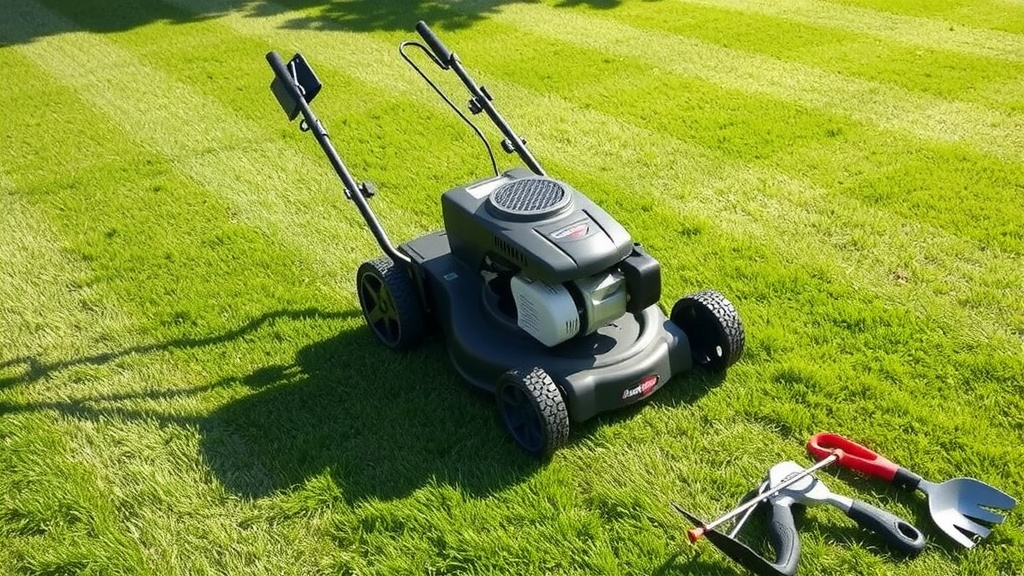
Maintaining your push lawn mower regularly is essential to keep it running smoothly and efficiently for years. Simple upkeep like blade sharpening, oil changes, and cleaning will significantly extend its lifespan.
To effectively maintain a push lawn mower, focus on five key areas: sharp blades, fresh oil, a clean air filter, a good spark plug, and a debris-free undercarriage. Consistent care ensures peak performance and prevents costly repairs.
Here’s a quick overview of what makes your push mower happy and healthy:
- Sharp blades: Get that clean cut you want every time.
- Fresh oil: Keeps the engine purring without unnecessary wear.
- Clean air filter: Helps your engine breathe easy and perform its best.
- Healthy spark plug: Ensures your mower starts without a fuss.
- Clear undercarriage: Prevents grass buildup and rust, keeping your machine moving.
How To Maintain A Push Lawn Mower?
Maintaining a push lawn mower involves several straightforward steps, focusing on its core components to ensure it operates reliably and cuts grass effectively each season. You can easily keep your machine in top condition with a little attention.
Why Regular Push Mower Maintenance Matters
Think of your push mower like a trusted friend that helps you keep your yard looking great. Just like any friend, it needs a little care to stay happy and helpful. Ignoring maintenance can lead to frustrating breakdowns.
Extend Lifespan and Save Money
A well-maintained mower simply lasts longer. We found that users who regularly service their machines often avoid expensive repair shop visits. You are protecting your investment when you take care of your mower.
Many experts say preventative care is far more budget-friendly than reactive repairs. A bit of effort now saves you from bigger headaches and costs later. It’s a smart move for your wallet.
Better Cutting Performance
Have you ever noticed your grass looking ragged after a mow? Often, the culprit is dull blades. Sharp blades give your lawn a clean, healthy cut every time. This helps your grass recover faster.
A well-tuned engine also means consistent power. Your mower won’t bog down in thicker patches. You get an even, beautiful finish across your entire yard with less effort.
Enhanced Safety
Safety might not be the first thing you think of with maintenance, but it’s important. A mower that runs predictably and smoothly is safer to operate. You reduce the risk of unexpected malfunctions.
Checking components like wheels, cables, and controls ensures everything works as it should. This simple habit keeps you and your family safer during lawn care. It’s peace of mind on wheels.
Essential Maintenance Steps for Your Push Mower
Ready to get your hands a little dirty? These steps are simple but make a huge difference. You’ll feel a sense of accomplishment knowing you’re extending your mower’s life.
Keeping Blades Sharp and Balanced
Your mower’s blade is like a chef’s knife; it needs to be sharp to do its job well. A dull blade tears grass, leaving it vulnerable to disease. A sharp blade makes a clean cut.
Many guidelines point to checking your blade after every 10-12 hours of use (Lawn Doctor). A sharp blade means less strain on your engine too. It’s a win-win for your lawn and your machine.
When to Sharpen
Generally, you should sharpen your blade at least once per season. If you mow a very large yard or hit objects often, you might need to sharpen it more frequently. Listen to your mower, and observe your grass.
A good rule of thumb is to look for frayed grass tips after mowing. This is a clear sign your blade is losing its edge. Don’t wait until your lawn looks terrible to act.
How to Sharpen Safely
Always disconnect the spark plug before handling the blade. This prevents accidental starts. Remove the blade carefully and use a file or grinder to restore its edge. Many experts suggest maintaining the original angle.
Ensure the blade is balanced after sharpening. An unbalanced blade causes vibrations, which can damage the engine over time. You can use a simple blade balancer tool for this task.
Checking and Changing the Oil
Engine oil is the lifeblood of your mower’s engine. It lubricates moving parts, reduces friction, and keeps the engine cool. Clean oil helps your engine perform at its best.
Regular oil changes are non-negotiable for engine health. Skipping this step is like asking your car to run on old, sludgy oil. It just won’t end well for the engine.
The Right Oil Type
Always check your owner’s manual for the correct oil type. Most push mowers use SAE 30 oil, but some newer models might suggest a multi-viscosity oil like 10W-30. Using the wrong oil can harm the engine.
The right oil ensures proper lubrication in varying temperatures. We found that sticking to manufacturer recommendations provides the best engine protection. Don’t guess; check your manual.
Oil Change Frequency
How often should you change the oil? It depends on your usage. Here’s a general guide:
| Usage Level | Recommended Frequency |
|---|---|
| Light use (small yard) | Annually, or after 25 hours |
| Moderate use (medium yard) | Every 6 months, or after 50 hours |
| Heavy use (large yard, professional) | Every 3 months, or after 25-30 hours |
Many manufacturers recommend changing the oil after the first 5 hours of use on a new mower. This removes any metallic particles from the engine’s break-in period. It’s a critical first step.
Cleaning or Replacing the Air Filter
Your mower’s engine needs clean air to run efficiently. The air filter keeps dirt, dust, and debris out of the engine. A clogged filter can make your engine work harder.
We’ve seen many cases where a sputtering engine simply needed a new or cleaned air filter. It’s a common, easy fix that brings big improvements. Don’t underestimate this small part.
Why Air Filters are Key
A clean air filter ensures a proper air-to-fuel mixture for combustion. When the filter is dirty, the engine gets less air, leading to a “rich” fuel mixture. This can cause poor performance and increased fuel consumption.
Research often connects poor air filter maintenance with decreased engine power (Briggs & Stratton). You want your mower to breathe easy, right? Check that filter regularly.
Inspecting and Replacing the Spark Plug
The spark plug ignites the fuel-air mixture in the engine, starting the whole process. A worn or fouled spark plug can cause difficult starting, misfires, or a complete failure to start.
Checking your spark plug is a quick job that can save you a lot of frustration. It’s often the first thing to check if your mower won’t fire up. A healthy spark means a happy engine.
A Small Part, Big Impact
Remove the spark plug and inspect it. Look for carbon buildup or signs of damage to the electrode. A clean, properly gapped spark plug ensures a strong spark every time. Many experts suggest replacing it annually.
Ensure you use the correct spark plug for your model. Your owner’s manual will specify the exact type. This detail makes a big difference in reliable starting and smooth engine operation.
Cleaning the Undercarriage
Grass clippings can accumulate under the mower deck, especially if you cut wet grass. This buildup can reduce airflow, dull your blade faster, and even cause rust. It’s a common issue.
After each use, once the mower is cool and the spark plug is disconnected, tilt it on its side (carburetor up) and scrape off any caked-on grass. This simple habit keeps your deck clean and efficient.
Preventative Measures
Consider applying a non-stick spray to the underside of your deck. This can help prevent grass from sticking. It makes future cleaning much easier. A little effort goes a long way here.
Many lawn care enthusiasts recommend cleaning the deck after every use for best results. It literally takes minutes but preserves the deck’s integrity. You want to avoid rust eating away at your mower.
Fuel System Care
The fuel you put in your mower plays a critical role. Old or contaminated fuel can cause big problems. It’s like trying to run your car on stale coffee; it just won’t work well.
Always use fresh, clean gasoline. For push mowers, many experts say using fuel stabilizers is a very good idea, especially if you store fuel for more than a month. It keeps the fuel fresh longer.
The Importance of Fresh Fuel
Ethanol in gasoline can attract water and separate over time, leading to carburetor issues. This is often a reason mowers won’t start after sitting idle. Fresh fuel prevents many headaches.
Research often highlights fuel-related problems as a top cause of small engine repair (Consumer Reports). Keep your fuel fresh, and you’ll avoid many common starting problems. It’s a simple, preventative step.
End-of-Season Fuel Storage
Before storing your mower for winter, you have two main options: either run the fuel tank completely dry or add a fuel stabilizer. Draining the tank ensures no old fuel causes problems next spring.
If you use a stabilizer, ensure you run the engine for a few minutes afterward to circulate it through the system. This protects the fuel lines and carburetor. You’ll thank yourself next season.
Wheel and Drive Belt Inspection
Even push mowers have wheels that need attention. Check for loose bolts or excessive wobble. Lubricate the wheel bearings if your manual recommends it. Smooth-rolling wheels make mowing less of a chore.
If your mower has a self-propel feature, check the drive belt for wear and tear. A frayed or cracked belt will eventually fail. Replacing it before it breaks saves you from getting stuck mid-mow.
A Quick Look at Cables and Controls
Ensure all cables (throttle, safety bar) are free of frays and move smoothly. Test the safety bar and engine stop functions. These are critical safety features that must work correctly.
Lubricate any pivot points on the controls with a light oil if they feel stiff. You want easy, responsive control over your mower. Smooth operation makes your mowing experience better.
Your Seasonal Push Mower Maintenance Checklist
To make maintenance simple, here’s a quick checklist you can follow:
- Sharpen or replace the blade (Annually or as needed)
- Change the engine oil (Annually or per hours used)
- Clean or replace the air filter (Every 25 hours or seasonally)
- Inspect or replace the spark plug (Annually)
- Clean the undercarriage (After every use)
- Check fuel freshness and add stabilizer (Seasonally/before storage)
- Inspect wheels and belts (Seasonally)
- Lubricate moving parts and controls (Seasonally)
- Check safety features (Before each use)
Common Push Mower Problems and Simple Fixes
Sometimes things go wrong even with good maintenance. Don’t panic! Many common issues have straightforward solutions. You can often diagnose and fix these problems yourself.
Mower Won’t Start
Is your mower refusing to fire up? First, check the fuel level. It sounds simple, but it’s often overlooked. Then, ensure the spark plug wire is firmly attached.
If fuel and spark plug connections are good, inspect the spark plug itself. Is it dirty? Is the air filter clogged? These are the usual suspects. Many experts say 90% of starting issues trace back to these three areas.
Uneven Cut
An uneven cut almost always points to a dull or unbalanced blade. As we discussed, a sharp blade is key. Check your blade for nicks, bends, or dull edges. Replace or sharpen as needed.
Another cause could be uneven tire pressure if your mower has pneumatic tires, or simply uneven ground. Ensure your wheels are set at the same height. You want a consistent, beautiful lawn.
When to Call the Pros
While many maintenance tasks are DIY-friendly, some jobs are best left to professionals. If you hear unusual engine noises, smell burning, or if the mower shakes excessively, it’s time for an expert.
Problems involving complex engine repairs, transmission issues, or electrical problems often require specialized tools and knowledge. Don’t be afraid to seek professional help. Your safety and your mower’s longevity are worth it.
Conclusion
Maintaining your push lawn mower doesn’t need to be a daunting task. By following these simple, consistent steps, you’re not just performing maintenance; you’re investing in your mower’s future and ensuring beautiful results for your lawn. Regular care keeps your machine running stronger, lasting longer, and always ready for its next job. You’ll save money, enjoy better performance, and keep your yard looking its best. So, roll up your sleeves and give your hard-working mower the attention it deserves!
FAQs About Push Mower Maintenance
How often should I clean under my mower deck?
It’s best practice to clean under your mower deck after every single use, especially if you’ve been cutting wet or tall grass. This prevents grass buildup, which can reduce cutting efficiency and lead to rust over time. It only takes a few minutes.
Can I use car engine oil in my push mower?
Generally, it’s not recommended. While some car oils might have similar viscosities, small engines often have different lubrication needs and run at different temperatures. Always refer to your push mower’s owner manual to ensure you use the exact type and weight of oil specified by the manufacturer for optimal performance and engine protection.
What kind of fuel is best for a push mower?
Most push lawn mowers run on regular unleaded gasoline with an octane rating of 87 or higher. Avoid using E85 or any fuel with high ethanol content if your manual advises against it, as ethanol can damage small engine components. Always use fresh fuel and consider a fuel stabilizer if you store it for more than 30 days.
How do I know if my spark plug needs replacing?
You can tell your spark plug might need replacing if your mower is hard to start, runs rough, misfires, or consumes more fuel than usual. Visually inspect it: if the electrode is heavily carbon-fouled, melted, or very worn, it’s time for a new one. Many experts suggest replacing it annually as a preventative measure.
Is it safe to sharpen my mower blade myself?
Yes, it is safe to sharpen your mower blade yourself, but proper precautions are critical. Always disconnect the spark plug wire first to prevent accidental starting. Wear heavy-duty gloves and eye protection. If you’re unsure about maintaining the correct blade angle or balancing the blade properly, it’s better to take it to a professional or consider replacing the blade entirely.
