
How To Make A LEGO Lawn Mower?
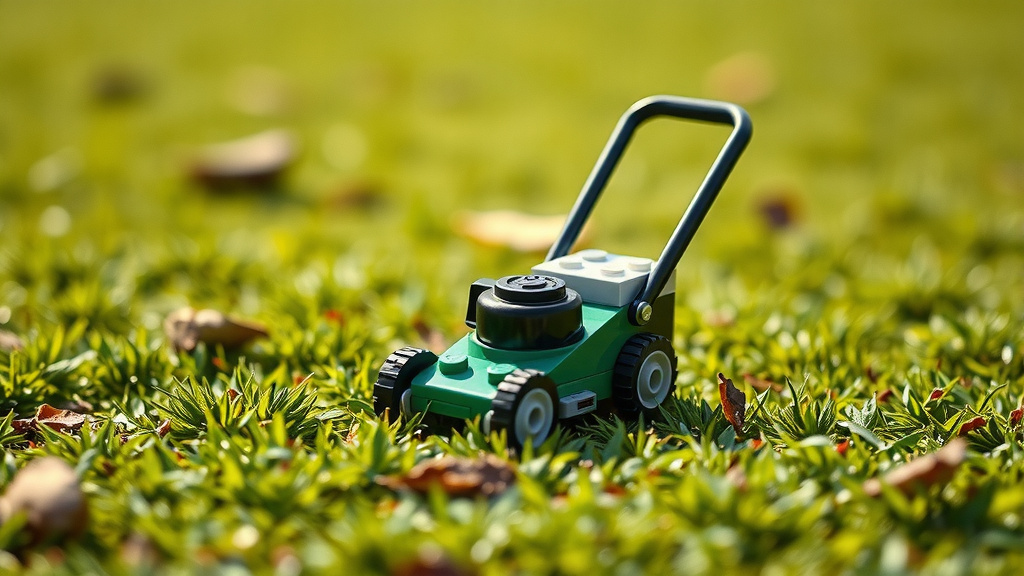
To make a LEGO lawn mower, start by gathering basic bricks for a sturdy base, then design a simple engine and handle using various colored pieces. You’ll attach LEGO wheels and create non-functional, safe “blades” from flat plates or round bricks, focusing on a robust build for imaginative play.
You can build a LEGO lawn mower using standard bricks for the body, a few specialized pieces for the handle and wheels, and flat tiles or rounded bricks for the blade area, ensuring the design is stable and fun to push around.
- Get started by picking out your core LEGO bricks for the mower’s main body and structure.
- Plan a simple design for the engine, handle, and a safe, static blade assembly.
- Choose appropriate LEGO wheels to make your mower easily movable across surfaces.
- Add fun details like a grass catcher or lights to personalize your creation.
- Remember, the goal is a sturdy, playable model that sparks creativity.
How To Make A LEGO Lawn Mower?
Making a LEGO lawn mower is a fantastic creative project for any builder. We found it’s a fun way to combine your love for bricks with a familiar household item.
Gathering Your LEGO Supplies
Before you start building, you need to collect the right pieces. Think about what makes up a real lawn mower. You’ll need parts for a base, an engine, a handle, and wheels.
Many builders find that starting with a good assortment of basic bricks is a smart first step (LEGO Community Forums).
You’ll want plates, bricks of various sizes, and perhaps some technic pins if you want moving components.
Choosing Your Base Bricks
The base is the essential foundation of your LEGO lawn mower. It must be strong enough to support everything you add later. We recommend using larger flat plates for the bottom layer.
Then, layer standard bricks on top to build up the necessary height. This method helps create a solid and stable structure.
Designing the Mower Body
Now, let’s give shape to the main body of your mower. You can make it square, rectangular, or even add some gentle curves. This is where your unique style truly shines!
Consider the overall size you desire. A smaller mower might be quicker, while a larger one allows for much more detail.
Building the Engine Section
Every lawn mower, even a LEGO version, needs an engine. You can represent this with a few bricks stacked and shaped. Use grill bricks or smooth tiles for a more realistic appearance.
Some creative builders like to add exhaust pipes using round bricks. This small detail can make your model feel more authentic.
Crafting the Handle and Controls
The handle is how you will “push” your LEGO mower around. You can build a simple upright bar or a more elaborate steering mechanism. Long axles or stacked bricks work perfectly for this.
We often see builders use small lever pieces to suggest throttle controls. These tiny additions bring your creation to life.
Attaching the Wheels for Movement
Your lawn mower needs to roll! You’ll typically want four wheels for a stable design. Choose a size that looks well-proportioned to your mower’s body.
Axle bricks and small tires are ideal for this task. Make sure they are securely attached to the base of your mower for smooth rolling.
Creating Safe LEGO “Blades”
This part is important for safe play. Your LEGO lawn mower will not actually cut anything. Use flat plates or smooth round tiles to represent the blades hidden beneath the deck.
Many experts suggest using smooth, non-sharp pieces in this area. This keeps playtime enjoyable and safe for everyone (LEGO Ideas Blog).
- Gather a variety of basic bricks in different sizes.
- Select suitable wheels and corresponding axles.
- Find longer pieces or stacked bricks for a sturdy handle.
- Look for decorative tiles or grill bricks for details.
- Ensure you have smooth pieces to represent the “blades.”
- Prepare a flat baseplate to start your assembly.
Adding Fun Accessories and Details
What can make your mower stand out? Perhaps a grass collection bag at the back. You can construct this with a few bricks and a sloped piece to define its shape.
Consider adding headlights with transparent bricks. A tiny seat for a LEGO minifigure also adds a charming, playful touch to your model.
Personalizing Your LEGO Lawn Mower
Think about the color scheme. Will it be classic green, vibrant red, or perhaps a unique shade like purple? Mixing different colors makes your creation truly personal.
You can even add a tiny flag or a custom license plate. These little personalized touches make your model uniquely yours and stand out.
Tips for Building Stability
A wobbly lawn mower isn’t much fun to play with. Try using the “stud-not-on-top” building technique where it makes sense. This is often shortened to SNOT.
This method helps to interlock bricks from multiple directions. Research shows it results in a much stronger, more stable model, according to experienced building guides.
| Feature | Simple LEGO Mower | Advanced LEGO Mower |
|---|---|---|
| Base Size | Small, basic plate | Larger, reinforced plates |
| Engine Detail | Stacked bricks | Grill bricks, exhaust pipes |
| Handle Style | Single upright bar | Articulated, control panel |
| Blade Area | Fixed smooth plate | Spinning (manual, safe) |
| Build Complexity | Quick, easy assembly | More parts, longer build time |
Troubleshooting Common LEGO Building Issues
Sometimes, parts might not stay together as you wish. This often happens when there are too few connection points. We found that overlapping bricks helps significantly to create stronger bonds.
If your wheels aren’t turning freely, check for friction points. Make sure the axles are not too tight against other bricks or the base itself.
The Joy of LEGO Creation
Building with LEGO is much more than just stacking bricks. It actively helps develop problem-solving skills and boosts creativity. You’re taking an idea from your imagination and turning it into a physical object.
Many educators agree that hands-on building promotes spatial reasoning in children and adults (Educational Psychology Review).
Your LEGO Lawn Mower Building Checklist
- Have you selected a strong, flat base?
- Is the handle securely attached to the main body?
- Do all four wheels roll smoothly without catching?
- Are the “blades” safe and purely decorative?
- Have you added any personal or decorative touches?
- Is your mower stable enough for imaginative play?
Conclusion
Building a LEGO lawn mower is a rewarding and imaginative project. It successfully combines practical design thinking with the boundless fun of LEGO bricks. You’ve now learned how to choose your pieces, construct the body, add movement, and personalize your unique creation.
Remember, the best LEGO models are those that spark joy and inspire further building. So grab your bricks, get creative, and enjoy constructing your very own miniature lawn care machine!
FAQs About Building LEGO Models
Can I make a motorized LEGO lawn mower?
Absolutely! You can incorporate LEGO Power Functions or MINDSTORMS elements to make your lawn mower motorized. This would involve adding a motor, a battery box, and appropriate gearing for movement. It adds a layer of complexity and interactive play to your model.
What’s the best way to make a strong LEGO structure?
To build a strong LEGO structure, focus on “brick layering” and interlocking pieces. Avoid stacking bricks directly on top of each other in tall columns. Instead, overlap them like brickwork in a wall. Using larger plates for the base and reinforcing joints with smaller bricks also helps immensely.
Where can I find instructions for specific LEGO lawn mower designs?
While official LEGO sets might not feature lawn mowers very often, you can find many fan-created instructions online. Websites like Rebrickable, LEGO Ideas, and various YouTube channels offer free building guides and inspiration. Searching for “LEGO MOC lawn mower” (My Own Creation) can reveal many creative designs.
Are there any special LEGO pieces that make building easier?
Pieces like Technic pins and axles are great for creating rotating parts or stronger, more functional connections. Bracket bricks can help change building directions, adding both detail and structural stability. Using a variety of plate sizes also allows for more precise shaping and reinforcement in your build.
How can I make my LEGO lawn mower look more realistic?
To enhance realism, pay close attention to small details. Use grill tiles for engine vents, transparent bricks for lights, and smooth tiles for body panels to mimic real surfaces. Incorporating different shades of green and grey can make it look more like a genuine machine. Adding a minifigure with a cap also brings a touch of life to your model.
