
How To Measure Lawn Mower Height?
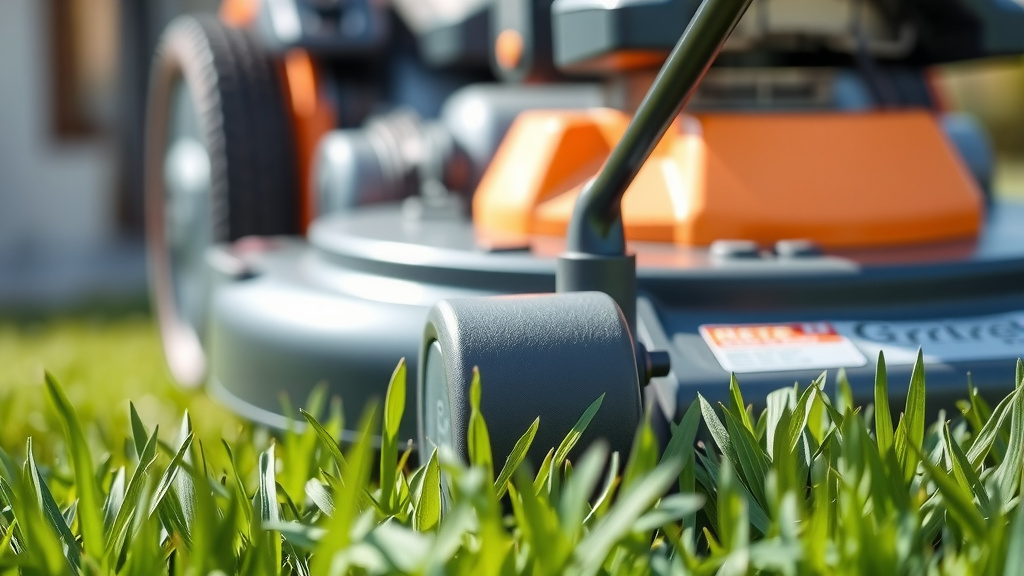
To measure lawn mower height, park it on a flat surface, turn off the engine, and remove the key for safety. Then, use a ruler or measuring tool to gauge the distance from the bottom edge of the mower deck or the blade’s cutting edge to the ground.
Ensuring you correctly measure lawn mower height is crucial for a healthy, vibrant lawn, helping you prevent scalping and promote stronger grass growth.
- Get the right tools: a ruler and your mower.
- Safety first: always turn off the mower before measuring.
- Measure from the blade or deck edge down to the ground.
- Understand the difference between deck and blade height.
- Adjust your mower height based on grass type and conditions.
How To Measure Lawn Mower Height?
Measuring your lawn mower’s height is simpler than you might think. It means checking the distance from the ground to where your blades cut the grass, or the deck’s lowest point. This step is key for lawn health.
Why Does Lawn Mower Height Matter So Much?
You might wonder why all this fuss about mower height. It’s not just about aesthetics. The height at which you cut your grass makes a big difference to its overall health and appearance.
Impact on Grass Health
Cutting your grass too short can shock it. This stress makes your lawn weaker and more prone to diseases. Longer grass blades mean deeper roots, which helps them find water and nutrients (Agricultural Research findings).
Preventing Scalping
Ever seen those ugly brown patches after mowing? That’s often scalping. It happens when you cut the grass too low, exposing the soil and stressing the plant. Proper height avoids this damage.
Gather Your Tools: What You’ll Need
Before you begin, make sure you have a few simple items. Having the right tools makes the process quick and accurate. You won’t need anything fancy, just some basic measuring equipment.
- A sturdy, flat surface for your mower.
- A measuring tape or a rigid ruler.
- A block of wood or a spacer (optional, but helpful).
- Gloves for hand protection.
Safety First, Always!
This is not just a suggestion; it’s a rule. Before you touch anything, always turn off your mower and remove the spark plug wire or disconnect the battery. We found that forgetting this step can lead to serious accidents. Your safety is paramount.
Step-by-Step: Measuring Your Mower’s Deck Height
Let’s get down to business. Measuring the deck height is the most common and often simplest way to gauge your cutting height. It gives you a good starting point for adjustments.
Measuring Rotary Mowers
Rotary mowers are the most common type for homes. You’ll measure from the bottom edge of the deck. Park your mower on a level surface, like a garage floor. Lower the deck to your desired cutting setting. Then, measure from the bottom lip of the deck directly down to the ground. Do this at both the front and rear of the deck. Many experts suggest ensuring the measurements are consistent across the deck (Lawn Care Association insights).
What About Zero-Turn Mowers?
Zero-turn mowers are similar to rotary push mowers in this regard. You’ll follow the same principle. Make sure the deck is level side-to-side and front-to-back. Then, measure from the deck’s edge to the ground. Some zero-turns have specific deck leveling instructions in their manual, so always check that too.
Deck Height vs. Blade Height: A Quick Clarification
This can sometimes confuse people. When we talk about “mower height,” we often mean the deck height. But the actual cutting happens at the blade. The blade height is the distance from the ground to the cutting edge of the blade. Because blades can flex or have different designs, measuring the deck is usually more consistent for adjustments. However, if you want a precise cutting height, you can rotate the blade to its lowest point and measure from the blade’s edge to the ground.
Finding Your Sweet Spot: Setting the Perfect Mowing Height
Measuring is one thing, but knowing the right height to set is another. It’s like finding the perfect seasoning for a dish. It depends on several factors, including your grass type and the time of year. We found that a “one-size-fits-all” approach rarely works best.
Consider Your Grass Type
Different grasses prefer different heights. Cool-season grasses like fescue or rye generally like a bit taller cut. Warm-season grasses like Bermuda or Zoysia can handle shorter cuts. Here’s a quick guide:
| Grass Type | Recommended Mowing Height |
|---|---|
| Cool-Season (Fescue, Rye) | 2.5 to 3.5 inches |
| Warm-Season (Bermuda, Zoysia) | 1 to 2.5 inches |
| St. Augustine | 2 to 4 inches |
| Kentucky Bluegrass | 2 to 3 inches |
The One-Third Rule
This rule is a game-changer for lawn health. It states you should never remove more than one-third of the grass blade’s total height at any single mowing session. If your grass is 4 inches tall, only cut off about 1.3 inches. This helps your lawn recover faster and stay greener (Horticultural studies confirm).
Adjusting for Conditions
Weather plays a role too. During hot, dry spells, raise your mower height a notch. Taller grass shades the soil, keeping it cooler and helping it retain moisture. In shaded areas, keeping the grass a bit longer also allows it to collect more sunlight.
Oops! Common Mower Height Measurement Mistakes
It’s easy to make a few slip-ups when you’re just starting. Don’t worry, we’ve all been there! Knowing these common pitfalls can help you avoid them and get a more accurate reading.
- Measuring on uneven ground.
- Not engaging the deck height adjustment.
- Forgetting to remove the spark plug wire.
- Assuming all four deck corners are the same.
- Measuring from the top of the deck instead of the bottom.
How Often Should You Check Mower Height?
It’s a good practice to check your mower height at the start of each mowing season. Also, if you notice your lawn isn’t looking its best, or if you change grass types, it’s wise to re-measure. A quick check after changing blades is also a smart move. This ensures consistency.
Conclusion
Measuring your lawn mower height is a small but mighty step in achieving a healthy, beautiful lawn. By understanding the ‘how-to’ and ‘why,’ you’re not just cutting grass; you’re nurturing a vibrant outdoor space. Remember to always prioritize safety, measure on a flat surface, and adjust your height based on your grass type and conditions. Your lawn will thank you for it.
What is the ideal grass height for a healthy lawn?
The ideal grass height varies by grass type, but generally ranges from 1 to 4 inches. Cool-season grasses often prefer 2.5 to 3.5 inches, while warm-season grasses can be cut shorter, around 1 to 2.5 inches. Always consider the “one-third rule” to prevent over-cutting.
Can cutting grass too short damage the lawn permanently?
While a single instance of cutting too short (scalping) might not cause permanent damage, repeatedly mowing too low can severely stress the grass. This weakens its root system, makes it susceptible to disease, and can lead to bare spots, which may require significant effort to repair.
Should I measure the front or back of the mower deck?
It’s best to measure both the front and back of the mower deck to ensure it’s level. Many experts suggest the front of the deck should be slightly lower than the rear (about 1/8 to 1/4 inch) to create a clean cut and prevent the blades from re-cutting grass clippings, which can be inefficient.
Does tire pressure affect mower height accuracy?
Yes, absolutely. Uneven or incorrect tire pressure can significantly impact the levelness of your mower deck. Before measuring, always check and adjust your tires to the manufacturer’s recommended pressure. This ensures your mower sits evenly and your height measurements are accurate.
Is it better to mow higher in hot weather?
Many lawn care specialists recommend raising your mower height during hot, dry weather. Taller grass blades provide more shade to the soil, which helps retain moisture and keeps the ground cooler. This reduces stress on the grass and helps it withstand drought conditions better.
