
How To Pick Out A Lawn Mower?
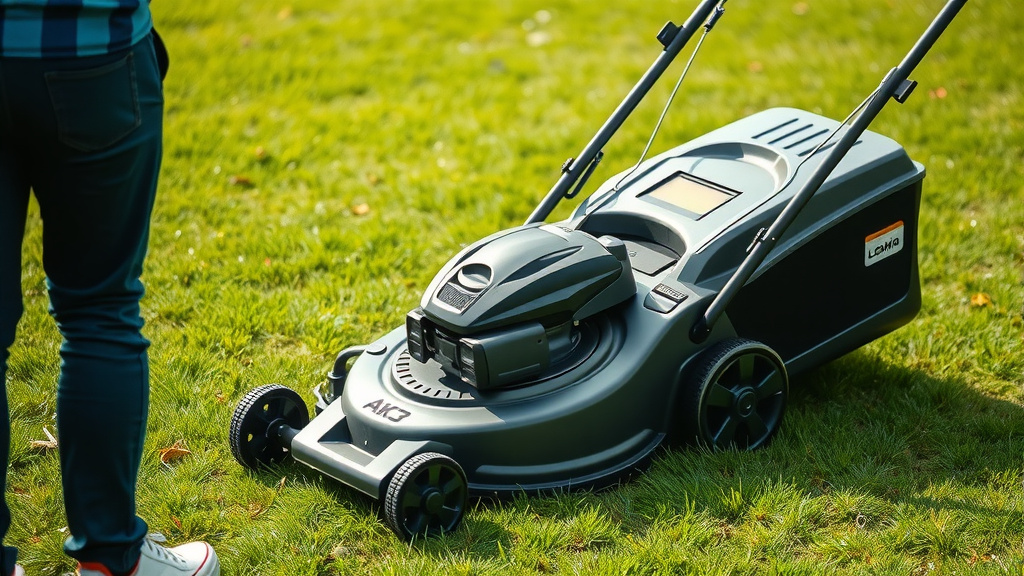
Picking out a lawn mower means matching the machine to your yard’s size, terrain, and your personal strength. You’ll want to consider factors like power source, cutting deck size, and maneuverability to ensure you get the best fit for your lawn care needs.
TL;DR: How to Pick Your Perfect Lawn Mower
- Small yards? A reel or electric push mower might be perfect.
- Medium yards love gas push mowers or battery-powered options.
- Large yards often need riding mowers or zero-turns for efficiency.
- Consider terrain: hills need more power, uneven ground suggests self-propelled.
- Think about features: mulching, bagging, or side discharge options are key.
How To Pick Out A Lawn Mower?
Choosing a lawn mower can feel like a big decision, but it doesn’t have to be overwhelming. You simply need to match the mower to your specific lawn and your lifestyle.
Do you ever stare at your overgrown lawn, wishing the grass would cut itself? We understand that feeling. Let’s find a mower that makes your lawn care chores a breeze, not a burden.
Understand Your Lawn Size First
Your lawn’s size is the biggest factor in picking a mower. A tiny patch of grass needs something different than a sprawling estate. Think of it like buying a car; you wouldn’t get a semi-truck for city driving, right?
For small yards, under a quarter-acre, a nimble machine is best. Medium yards, between a quarter and a half-acre, offer more flexibility. Large yards, anything over a half-acre, practically demand a riding solution.
Small Yards: Less Is More
If your lawn is small, perhaps under a quarter-acre, you have great options. You can often get by with something simple and easy to store. Manual reel mowers are surprisingly effective for small, flat lawns.
Electric push mowers are also excellent for smaller spaces. They are quieter and require less maintenance than gas models. We found they are a popular choice for many homeowners (Consumer Reports).
Consider a Reel Mower
Reel mowers work without gas or electricity. They slice grass like scissors, giving a very clean cut. They are quiet and eco-friendly, perfect for a peaceful morning chore.
They are best for flat lawns with shorter grass. Taller weeds can be a challenge for these simple machines. However, for a small, well-maintained lawn, they are fantastic.
Medium Yards: Balancing Power and Portability
For lawns between a quarter and half-acre, you need a bit more power. This is where gas push mowers often shine. They offer ample power and don’t rely on an outlet.
Battery-powered mowers are also a strong contender here. Their technology has come a long way. They offer gas-like power without the fumes or noise (Energy.gov).
Gas Push Mowers: The Traditional Choice
Gas mowers are powerful and reliable. They handle various grass types and conditions with ease. Many experts say they are a workhorse for many suburban yards.
They do require regular maintenance, like oil changes and fuel stabilizers. However, their consistent performance makes them a favorite for many users.
Battery-Powered Mowers: Modern Convenience
These mowers offer serious convenience. No gas, no cords, and much quieter operation. You simply charge the battery and go. We found their power output is quite impressive now.
Battery life is an important consideration. Ensure the battery can last through your entire lawn. Many come with interchangeable batteries, offering flexibility.
Large Yards: Time for a Ride
If your lawn is over half an acre, your back will thank you for getting a riding mower. These machines turn a multi-hour chore into a much faster, more comfortable task. Many homeowners consider them a wise investment for expansive properties.
Riding mowers come in various styles, including lawn tractors and zero-turn mowers. Each offers different benefits depending on your yard’s layout and your cutting preferences.
Lawn Tractors: All-Rounders
Lawn tractors are familiar and versatile. They cut grass and can often tow carts or spreaders. They are great for larger, more open yards.
They steer like a car, making them intuitive for many. While not as fast as zero-turns, they handle various attachments well, adding to their utility.
Zero-Turn Mowers: Ultimate Maneuverability
Zero-turn mowers are built for speed and agility. They can turn on a dime, making them perfect for yards with many obstacles or complex landscaping. We found they can cut mowing time significantly.
They do have a different steering system, which takes some getting used to. However, once mastered, they are incredibly efficient for large, intricate lawns.
Consider Your Terrain and Obstacles
Is your lawn flat as a pancake or full of hills? Does it have many trees, flower beds, or other obstacles? These details will guide your mower choice. A hilly terrain demands more power and better traction.
Self-propelled mowers are excellent for sloped yards. They take the effort out of pushing up hills. For yards with tight corners, smaller deck sizes offer better agility.
Here’s a quick table to help you compare common mower types:
| Mower Type | Best For | Key Feature | Pros | Cons |
|---|---|---|---|---|
| Reel Mower | Small, flat yards | Manual operation | Quiet, eco-friendly, clean cut | Physical effort, only for short grass |
| Electric Push | Small to medium yards | Corded/Battery | Quiet, no gas, easy start | Limited range (corded), battery life (battery) |
| Gas Push | Medium to large yards | Powerful engine | Strong, no cords, durable | Noisy, maintenance, fumes |
| Lawn Tractor | Large, open yards | Riding comfort | Fast, can tow, attachments | Large, storage, cost |
| Zero-Turn | Large, complex yards | High maneuverability | Very fast, precise turns | Steep learning curve, cost |
Deck Size Matters for Efficiency
The cutting deck size refers to how wide a path your mower cuts. A wider deck means fewer passes across your lawn. This translates to less time spent mowing.
However, a wider deck can be harder to maneuver in tight spaces. For yards with lots of garden beds or trees, a smaller, more agile deck might be better.
Discharge Options: What Happens to the Clippings?
What do you do with the grass clippings? Mowers offer different solutions. Many models feature mulching, bagging, or side discharge capabilities. Your choice impacts your lawn’s health and your cleanup routine.
Mulching Mowers: Feed Your Lawn
Mulching mowers chop clippings into tiny pieces. These pieces then fall back into the lawn, returning nutrients to the soil. This is like giving your lawn a natural, free fertilizer.
Many experts say mulching is one of the best things you can do for your grass (Cornell University Extension). It also means no bags of clippings to dispose of.
Bagging Mowers: Clean and Tidy
Bagging collects clippings in a detachable bag. This leaves your lawn looking very neat and tidy. It’s also useful if you have allergies or want to prevent thatch buildup.
The downside is you will need to empty the bag frequently. This adds an extra step to your mowing process, and you’ll need to dispose of the clippings.
Side Discharge: Simple and Quick
Side discharge simply ejects clippings out the side of the mower. This is the simplest method, with no bagging or fine mulching. It’s often used for tall, thick grass where mulching isn’t ideal.
The clippings are left on the lawn in rows. You may want to rake them up later for a tidier appearance. It’s a fast option, but not the neatest.
Ergonomics and Comfort: Don’t Forget Yourself!
Mowing can be hard work, so consider your comfort. Look for features like adjustable handle heights and padded grips. A comfortable mower makes the job much more pleasant.
Self-propelled mowers reduce physical effort, especially on slopes. Easy-to-reach controls and simple starting mechanisms also make a big difference.
Your Lawn Mower Checklist:
- What is my lawn size (small, medium, large)?
- Is my terrain flat or hilly? Are there many obstacles?
- Do I prefer gas, electric (corded), or battery power?
- Do I want to mulch, bag, or side discharge clippings?
- How much maintenance am I willing to do?
- What’s my budget for a new mower?
Conclusion
Choosing the right lawn mower really comes down to understanding your lawn’s needs and your own preferences. There’s no single “best” mower for everyone; the best one for you will fit your yard like a glove. Take a moment to assess your space, consider the features that matter most, and you’ll easily find a machine that makes lawn care less of a chore and more of a pleasure. Happy mowing!
Are self-propelled mowers worth the extra cost?
Many people find self-propelled mowers very much worth the investment, especially if you have a larger lawn, uneven terrain, or hills. They significantly reduce the physical effort of pushing, making mowing less tiring and more enjoyable.
How often should I get my lawn mower serviced?
Generally, you should service your gas lawn mower once a year, typically before the mowing season begins. This includes changing the oil, spark plug, and air filter, and sharpening the blade. Electric and battery mowers require less maintenance, mostly just blade sharpening and cleaning.
Can I use a riding mower on a small lawn?
While you technically can, it’s usually not practical or efficient. Riding mowers are designed for larger, open areas. For small lawns, a push mower or electric mower will be far more agile, easier to store, and less expensive.
What’s the benefit of mulching grass clippings?
Mulching clippings returns vital nutrients like nitrogen back to your lawn, acting as a natural fertilizer. This can lead to a healthier, greener lawn over time. It also saves you the trouble of bagging and disposing of clippings.
Is a corded electric mower good for a medium-sized yard?
A corded electric mower can be suitable for a small to medium-sized yard, depending on how easily you can manage the cord. If your yard has many obstacles or is spread out, constantly moving the cord might become cumbersome. For more freedom, a battery-powered option might be a better choice for medium yards.
