
How To Put Out A Lawn Mower Fire?
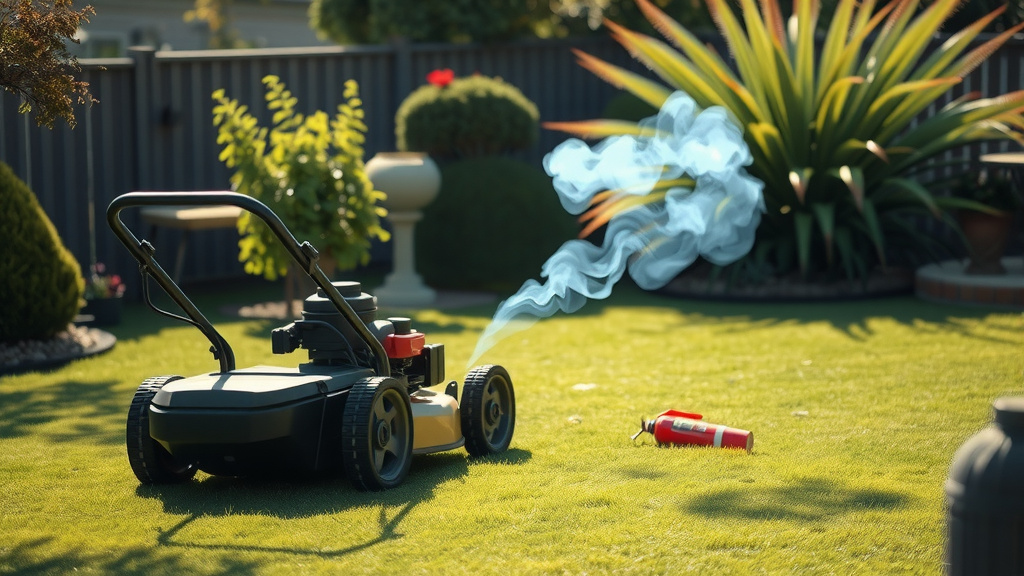
To put out a lawn mower fire, immediately shut off the engine, get to a safe distance, and if safe to do so, use a Class B or ABC dry chemical fire extinguisher. Never use water on a fuel-fed fire.
Safety is your top priority; if the fire grows quickly or you lack a proper extinguisher, evacuate the area and call emergency services right away.
- If your lawn mower catches fire, stop the engine immediately and move away to a safe distance.
- For small, contained fires, use a Class B or ABC dry chemical extinguisher, focusing on the base of the flames.
- Avoid using water on fires fueled by gasoline or oil, as it can spread the flames.
- Prevent future fires by performing regular maintenance, cleaning debris, and fueling safely.
- Always have a working fire extinguisher nearby when operating or storing your mower for quick response.
How To Put Out A Lawn Mower Fire?
Putting out a lawn mower fire requires quick, decisive action to ensure your safety and minimize damage. The most effective way is to use the correct type of fire extinguisher.
Immediate Steps: Your First Response Is Key
A lawn mower fire can be startling, but staying calm helps you react effectively. Your first few actions are critical for safety and controlling the situation.
Shut It Down!
As soon as you notice smoke or flames, the very first thing to do is turn off the engine. This cuts off the fuel supply and often the ignition source, which can slow or stop the fire (OSHA guidelines suggest this).
Stay Calm, Act Fast
Take a deep breath. Panicking makes things worse. Assess the situation quickly: Is the fire small and contained, or is it spreading rapidly? Your next move depends on this.
Keep Your Distance
If the fire is large, uncontrollable, or you don’t have a suitable extinguisher, do not approach it. Move at least 20-30 feet away to a safe location and call for professional help.
Common Causes: Why Do Lawn Mowers Catch Fire?
Understanding why mowers ignite can help you prevent them. Many fires stem from a few key mechanical issues or operational mishaps.
Fuel Leaks: A Slippery Situation
Gasoline or oil leaks are a primary culprit. A loose fuel line, a cracked fuel tank, or a leaky carburetor can drip flammable liquids onto hot engine parts. This mix is a recipe for disaster, as research often confirms.
Overheated Engine: Working Too Hard?
When an engine works too hard, especially in tall grass or hot weather, it can overheat. Excess heat can ignite oil residue, debris, or even the fuel itself. Keeping your engine clean helps manage its temperature.
Electrical Short Circuits: Sparking Trouble
Frayed wires, loose battery terminals, or faulty spark plugs can create sparks. These sparks, when near fuel vapors or dry debris, can easily start a fire. We found that electrical issues are often overlooked.
Debris Buildup: Dry Leaves are Fuel
Dry grass clippings, leaves, and other plant matter accumulate around the engine, muffler, and exhaust. These materials are highly combustible and can easily ignite from engine heat or sparks.
What Not To Do When Facing a Mower Fire
Knowing what not to do is just as important as knowing what to do. Some actions can make the fire worse or endanger you.
Never Use Water on Fuel Fires
Water can spread gasoline or oil fires, making them larger and more difficult to extinguish. It pushes the burning fuel, creating a wider area of flames. This is a critical safety rule (NFPA advises strongly against this).
Don’t Try to Move It
Attempting to move a burning lawn mower puts you at extreme risk. You could suffer burns, trip, or even spread the fire to other areas. Your personal safety is far more important.
Essential Fire Extinguisher Types for Mowers
Having the right fire extinguisher is vital. For lawn mower fires, you’ll need one capable of handling flammable liquid fires.
| Extinguisher Type | Suitable For | Why It Works |
|---|---|---|
| Class B (e.g., CO2, Dry Chemical) | Flammable liquids (gasoline, oil) | Smothers the fire, removes oxygen, or interrupts the chemical reaction. |
| Class ABC (Dry Chemical) | Combustibles, liquids, electrical | Extremely versatile, good for general purpose, including fuel and electrical. |
| Class K (Wet Chemical) | Cooking oils/grease | Forms a foam layer; less relevant for mowers unless specific oil is used. |
Using a Fire Extinguisher Correctly (PASS Method)
If you have the right extinguisher and the fire is small, remember the PASS method: Pull, Aim, Squeeze, Sweep. This technique helps you effectively tackle the blaze.
- Pull the pin: This unlocks the operating lever.
- Aim low: Direct the nozzle at the base of the fire, not the flames.
- Squeeze the lever: Discharge the extinguishing agent.
- Sweep side-to-side: Cover the entire area of the fire until it’s out.
Preventing Mower Fires: An Ounce of Prevention
The best way to handle a mower fire is to prevent it from happening. Proactive steps can save you trouble and keep your equipment safe.
Regular Maintenance: Your Best Defense
Keeping your lawn mower in good shape is paramount. Check fuel lines, spark plugs, and electrical connections regularly. Many experts say a well-maintained machine is a safer machine.
Fueling Safely: No Spills, No Thrills
Always fuel your mower outdoors and away from ignition sources. Let the engine cool down completely before adding fuel. Spilled gasoline should be cleaned up immediately, and never start the mower until vapors dissipate.
Clear Debris Consistently
Before and after each use, clean grass clippings, leaves, and dirt from around the engine, muffler, and exhaust areas. This simple step can significantly reduce fire risk.
Proper Storage: Cool and Dry
Store your lawn mower in a well-ventilated area, away from furnaces, water heaters, or other heat sources. Make sure the fuel tank cap is securely tightened.
Pre-Mow Safety Checklist
A quick check before you start can catch potential hazards. Make this a habit to ensure a safe mowing experience.
- Inspect fuel lines for cracks or leaks.
- Check oil levels and look for any spills.
- Clean off any accumulated grass or debris.
- Ensure battery terminals are tight and clean.
- Verify the spark plug wire is secure.
- Confirm the air filter is clean and properly seated.
When to Call the Professionals
Knowing when to call 911 is crucial. If a fire grows quickly, spreads beyond the mower, or you feel unsafe, don’t hesitate to get help. Your safety and the safety of others always come first.
Conclusion
Dealing with a lawn mower fire can be frightening, but with the right knowledge and tools, you can act effectively. Remember to prioritize your safety, use the correct fire extinguisher if appropriate, and always focus on prevention. Regular maintenance and careful operation are your best allies in keeping your lawn care routine fire-free. Stay vigilant, stay safe, and keep your yard looking great without any unexpected drama.
What kind of fire extinguisher is best for a gasoline fire?
For a gasoline fire, a Class B or Class ABC dry chemical fire extinguisher is best. These types are designed to smother liquid fuel fires effectively, unlike water, which can spread them.
Can a lawn mower just catch fire on its own?
While not truly “on its own,” a lawn mower can catch fire due to internal issues like fuel leaks dripping onto hot engine parts, electrical shorts, or accumulated dry debris igniting from heat. It’s usually a combination of factors.
Is it safe to leave a lawn mower running while you refuel it?
Absolutely not. You should always turn off the engine and let it cool for several minutes before refueling. The heat from a running engine combined with fuel vapors is extremely dangerous and can cause an immediate fire.
How often should I clean my lawn mower to prevent fires?
You should clean your lawn mower, especially around the engine and exhaust, after every use to remove grass clippings and debris. A thorough seasonal cleaning, including inspecting fuel lines and electrical components, is also highly recommended.
What should I do if I don’t have a fire extinguisher and my mower catches fire?
If you don’t have a fire extinguisher, your primary action is to ensure your safety. Shut off the mower if possible, immediately move a safe distance away, and call emergency services (911 in many regions). Do not attempt to use water or other unsafe methods.
