
How To Raise Lawn Mower Handle?
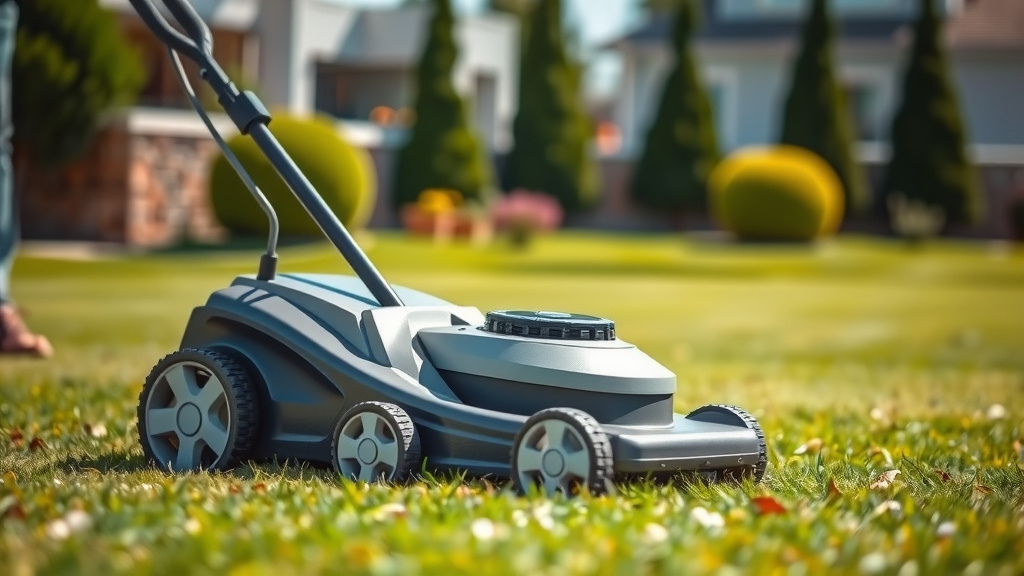
To raise your lawn mower handle, you typically locate the adjustment points, which are often bolts, quick-release levers, or telescopic pins near the base of the handles, then loosen or disengage them to extend the handle to your desired height before re-securing them.
This process ensures a comfortable and ergonomic mowing experience, helping to prevent back strain and improve control over the machine.
- Get a comfortable mowing posture by raising your lawn mower handle to suit your height.
- Locate the handle adjustment mechanisms, which vary by mower type, such as bolts, levers, or pins.
- Loosen or release these mechanisms, carefully extend the handle, and then securely fasten it in the new position.
- Always consult your mower’s user manual for specific, model-appropriate instructions to ensure safety.
- A properly adjusted handle means less fatigue and better control for a healthier lawn.
How To Raise Lawn Mower Handle?
Raising your lawn mower handle involves finding the specific adjustment mechanisms on your model and modifying them to suit your height. This simple change can make a big difference in comfort and control.
Why Handle Height Matters for Mowing Comfort
Ever felt a sore back after mowing? An improperly adjusted handle is often the culprit. A handle that is too low forces you to hunch, while one too high can make steering awkward. Adjusting the handle creates a more ergonomic posture, making mowing less of a chore.
We found that many common mowing injuries, particularly to the back and shoulders, can be lessened by ensuring your mower’s handle is set to an appropriate height for your stature (Occupational Safety and Health Administration).
Ergonomics and Your Mowing Experience
Think of it like adjusting a bicycle seat. When it fits you right, you ride smoothly. The same is true for your lawn mower. A correct handle height lets you maintain a straight back and relaxed arms, leading to greater comfort and less fatigue.
Identifying Your Lawn Mower Handle Type
Not all mower handles adjust the same way. Before you begin, take a moment to look at your mower. Do you see bolts, levers, or perhaps a telescopic rod? Knowing your type helps you find the right adjustment method.
Fixed Handle Mowers: Are They Adjustable?
Some older or very basic mower models have fixed handles. These might not have obvious adjustment points. If your handle seems permanently attached, you might have a fixed-handle type. However, some fixed handles can be repositioned at the factory by removing and re-bolting, which usually means taking it apart.
Adjustable Handle Mowers: The Common Mechanisms
Most modern lawn mowers come with adjustable handles. We often see three main types of adjustment mechanisms: bolt-and-nut systems, quick-release levers, and telescopic designs. Each works a little differently.
General Steps for Adjusting Any Mower Handle
Before diving into specific methods, let’s cover the universal steps. Always begin by ensuring your mower is off and cool. Disconnect the spark plug wire for gasoline mowers to prevent any accidental starts. Safety first, right?
-
Safety First: Turn off the mower and disconnect the spark plug wire. If electric, unplug it.
-
Locate Adjustment Points: Find the specific mechanisms on both sides of the handle.
-
Loosen or Release: Follow the method for your handle type (bolts, levers, etc.).
-
Adjust Height: Carefully raise or lower the handle to your preferred position.
-
Secure Firmly: Tighten or engage the mechanisms to lock the handle in place.
-
Test for Stability: Gently push and pull the handle to ensure it’s secure before restarting.
Method 1: Adjusting Bolt-and-Nut Handles
This method is quite common, especially on older or more robust models. You will need a wrench or a socket set. Look for bolts on either side of the handle, usually near the base where it connects to the mower deck.
Tools You Will Need
For bolt-and-nut systems, you’ll need the right size wrench or socket. Sometimes, you might need two wrenches – one to hold the nut and one to turn the bolt. Having the correct tools makes the job much easier.
Step-by-Step Bolt Adjustment
First, loosen the bolts on both sides of the handle. You don’t need to remove them entirely, just enough so the handle can slide. Next, gently raise or lower the handle. Most handles have pre-drilled holes or grooves for different height settings. Once you’ve found your ideal height, tighten the bolts securely on both sides. Make sure both sides are equally tight to keep the handle stable.
Method 2: Using Quick-Release Levers
Quick-release levers are super convenient. They are designed for fast, tool-free adjustments. You’ll typically find one or two levers on each side of the handle where it attaches to the mower body.
How Quick-Release Levers Work
These levers usually have a cam mechanism. When you flip the lever open, it releases the clamping pressure, allowing the handle to move. Flipping it closed tightens the clamp again. It’s a bit like a bike seat quick release.
Steps for Lever Adjustment
Simply flip the levers open on both sides of the handle. This releases the tension. Then, slide the handle up or down. Many models have notches or holes that guide you to different heights. Once adjusted, firmly close both levers. Double-check that they are fully closed and the handle feels solid.
Method 3: Telescopic Handle Adjustments
Telescopic handles are often found on electric or battery-powered mowers. They slide in and out, much like a telescope, offering a range of adjustment. You might see pins or buttons that lock the handle in place.
Identifying Telescopic Lock Pins or Buttons
Look for small, spring-loaded pins or buttons on the sides of the handle where the upper and lower sections meet. These are the locking mechanisms that allow the handle to extend or retract.
Adjusting a Telescopic Handle
Press the locking pins or buttons on both sides simultaneously. While holding them in, slide the handle to your preferred height. Release the pins, ensuring they click firmly into the new holes. Always test the handle’s stability before you begin mowing. Many experts say this design makes adjusting handle height incredibly simple for users (Consumer Reports).
Finding Your Ideal Handle Height
The best height is where your arms are mostly straight, not locked, with a slight bend at the elbow. Your back should feel straight and relaxed. It’s like finding the perfect standing desk height – personal and comfortable.
| Your Height | Approximate Handle Height | Comfort Tip |
|---|---|---|
| Under 5’5″ | Mid-thigh to Waist | Avoid reaching down. |
| 5’5″ to 6’0″ | Waist to Hip | Elbows slightly bent. |
| Over 6’0″ | Hip to Belly Button | Ensure full arm extension. |
This table is a general guide. Your comfort is the ultimate deciding factor. Don’t be afraid to experiment with different settings until it feels just right.
Important Safety Considerations After Adjustment
After adjusting, always re-engage all locking mechanisms tightly. A loose handle can be dangerous and difficult to control. Give the handle a good shake to ensure it’s secure. Also, double-check that the engine stop/start lever is still accessible and fully functional.
Ensuring Handle Stability
A wobbly handle is a hazard. If your handle feels loose after adjustment, re-check all bolts, levers, or pins. Sometimes, extra tightening is needed. If the issue persists, consult your mower’s manual or a service professional.
Maintenance Tips for Adjustable Handles
Periodically check your handle’s adjustment mechanisms. Bolts can loosen over time, and quick-release levers might need tightening. A little lubrication on sliding parts can also help keep them moving freely. A little care means your mower lasts longer.
Cleaning and Lubrication
Dirt and grass clippings can build up around adjustment points, making them stiff. We found that a quick clean and a light spray of silicone lubricant can keep things running smoothly (Lawn Care Guides). This prevents wear and tear on the components.
Conclusion
Adjusting your lawn mower handle to the correct height is a simple yet powerful way to improve your mowing experience. It boosts comfort, enhances safety, and helps you achieve a better cut without strain. Remember to always prioritize safety, consult your mower’s manual, and don’t hesitate to experiment to find your perfect setting. A well-adjusted mower makes yard work far more enjoyable and productive.
What if my lawn mower handle won’t stay up after adjustment?
If your lawn mower handle won’t stay in its adjusted position, the locking mechanisms might be worn or not tightened enough. For bolt systems, ensure the nuts are secure. For quick-release levers, check if they fully clamp down. Telescopic pins might not be fully engaged in the holes. Sometimes, parts might need replacement if they are stripped or broken.
Can I add an extension to a fixed lawn mower handle?
Adding an extension to a fixed lawn mower handle is generally not recommended by manufacturers. It can compromise the structural integrity of the handle, affect the mower’s balance, and potentially make it unsafe to operate. It is usually better to consider a mower with an adjustable handle if you require a different height.
Does handle height affect how the mower cuts the grass?
Indirectly, yes. While the handle height doesn’t directly change the blade height, a comfortable handle allows you to maintain better control and a consistent mowing pattern. If you’re hunched or struggling, you might make uneven passes or miss spots, leading to a less uniform cut. Good ergonomics lead to better results.
How often should I check my lawn mower handle’s adjustment?
It’s a good practice to check your lawn mower handle’s adjustment and stability at the beginning of each mowing season or after transporting the mower. If multiple people use the mower, adjust it for each user. Otherwise, a quick check every few uses ensures everything remains secure and comfortable.
Are there universal handle adjustment kits for mowers?
Universal handle adjustment kits are not widely available or recommended due to the vast differences in mower designs. Mower handles are typically specific to the model and brand. Any modifications using non-original parts could void warranties and create safety risks. Always use original manufacturer parts or consult with a qualified service technician for repairs or adjustments beyond standard operation.
