
How To Raise Lawn Mower?
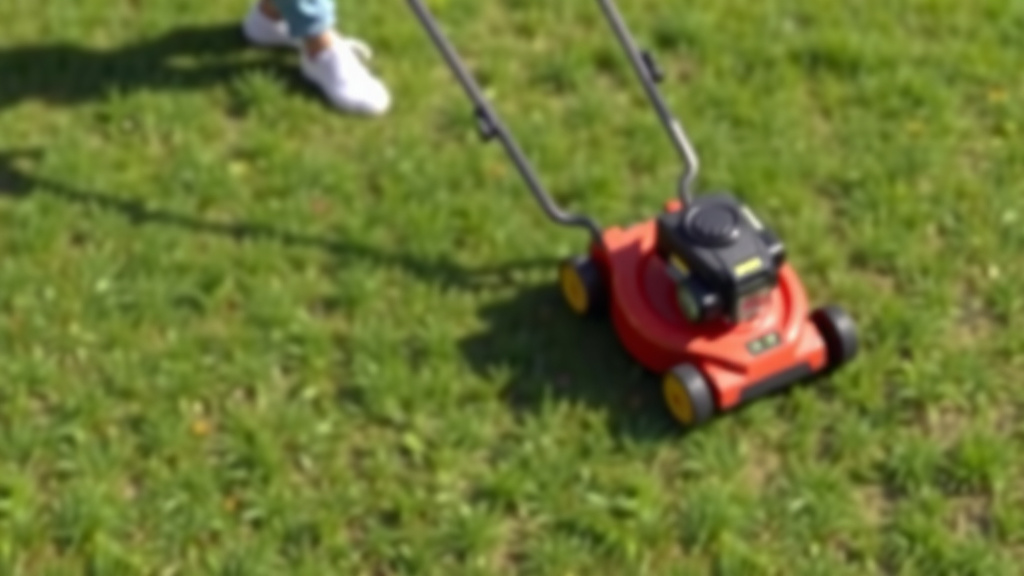
To raise your lawn mower, locate the height adjustment levers, typically found near the wheels or on the main deck assembly, and move them to a higher notch or setting.
You effectively increase the cutting height by repositioning the mower deck or individual wheels, which keeps the blades further from the ground, allowing for a taller grass cut.
Here’s a quick overview of what you’ll learn in this guide:
- Discover the quick steps to adjust your mower’s height for a healthier lawn.
- Understand why correct cutting height is vital for grass vigor and weed control.
- Learn about the simple tools and safety checks needed before any adjustment.
- Explore various methods for push mowers, older models, and riding mowers.
- Find out the best times to change your mower’s height throughout the season.
How To Raise Lawn Mower?
Raising your lawn mower means adjusting its deck or wheel height to achieve a longer cut. This simple action helps your grass grow stronger and look lusher, especially during challenging seasons. You are giving your lawn a chance to thrive by not cutting it too short.
Why Does Mower Height Matter?
The height at which you cut your grass makes a big difference for its health. Think of it like a haircut; too short, and it might not grow back as nicely. For your lawn, cutting too low can stress the plants and invite problems.
The “One-Third” Rule for Healthier Grass
Many experts recommend never removing more than one-third of the grass blade’s total height at any single mowing session (Michigan State University Extension). This rule helps the grass retain enough surface area for photosynthesis. It’s like a plant’s solar panel; more green means more energy.
Preventing Scalping and Damage
Cutting your grass too short, often called “scalping,” can damage the turf significantly. When you scalp your lawn, you expose the soil to direct sunlight, which can dry out the roots quickly. This also creates bald spots, making your lawn look patchy and unhealthy. You really want to avoid this stress on your grass.
Controlling Weeds Naturally
A taller lawn provides natural shade for the soil. This shade helps to keep weed seeds from germinating, as many common weeds need direct sunlight to sprout. Raising your mower height means fewer weeds popping up, giving your grass a competitive edge without extra chemicals.
Safety First: Before You Begin
Before you ever touch your mower’s adjustment levers, safety must be your top priority. Even a simple adjustment can become dangerous if you are not careful. Always take a few moments to prepare properly.
Power Off and Spark Plug Out
Always turn off the mower engine completely. For gas mowers, the most crucial step is to disconnect the spark plug wire. This prevents any accidental starts while you’re working near the blades. Electric mowers should be unplugged from their power source, or the battery removed.
Stable Ground is Your Friend
Make sure your mower is on a flat, level surface. This provides stability and prevents the mower from rolling or tipping during adjustment. A wobbly mower can lead to injuries, so take a moment to find a good spot.
Common Methods to Raise Lawn Mower Deck Height
The method you use to raise your lawn mower will depend on its type and model. Most mowers have user-friendly systems, but knowing which one you have helps immensely. Let’s look at the most common approaches.
Lever Adjustments on Push Mowers
Many modern walk-behind or push mowers use a simple lever system. You might find a single lever that adjusts all four wheels at once, or individual levers for each axle. This design makes changing the cutting height quick and easy.
Locating the Adjustment Levers
Look for a prominent lever usually near one of the rear wheels, or sometimes two levers, one on each side. These levers are designed for easy access. They often have a grip or handle, making them simple to grasp and move. You might even find diagrams on the mower itself showing the height settings.
Understanding the Notches
The levers will have a series of numbered notches or settings. Lower numbers usually mean a shorter cut, while higher numbers mean a taller cut. To raise the mower, you’ll typically pull the lever out, slide it to a higher numbered notch, and then release it. Listen for a click to confirm it’s secure.
Wheel Bolt Adjustments for Older Models
Older or more basic push mowers often require adjusting each wheel individually. This method takes a bit more time but is straightforward once you get the hang of it. You’ll need some basic tools for this task.
Working with Individual Wheel Bolts
Each wheel on these mowers is attached with a bolt that passes through a series of holes. To raise the mower, you’ll need to unscrew the bolt, lift the wheel, and then re-insert the bolt into a higher hole. You’ll repeat this for all four wheels. It’s like moving the wheels up a ladder.
Ensuring Even Height
It’s absolutely critical that all four wheels are adjusted to the same height setting. An uneven mower deck will result in an uneven cut, leaving stripes of varying grass lengths. Many experts recommend using a ruler or measuring tape to double-check the deck height from the ground (University of Illinois Extension).
Raising Riding Mower Decks
Riding mowers, including lawn tractors and zero-turns, have different adjustment mechanisms. These often involve levers, pedals, or even a crank system within easy reach of the operator’s seat.
Deck Lift Levers and Pedals
Most riding mowers feature a deck lift lever or foot pedal. You simply engage the lever or press the pedal, then move it to the desired height setting. These systems are usually clearly marked with numbered settings, making adjustments simple. It’s often a smooth and intuitive process.
Checking Deck Leveling
Even after adjusting the height, it’s a good idea to check if your riding mower deck is level. A level deck ensures a consistent cut across your entire lawn. Consult your owner’s manual for specific instructions on how to check and adjust deck leveling, as this can vary by model. Many manuals recommend checking side-to-side and front-to-back levelness.
When to Raise Your Mower Deck?
Knowing when to raise your mower deck is just as important as knowing how. Different seasons and conditions call for different cutting heights. Tailoring your approach can significantly improve your lawn’s resilience.
Dealing with Heat and Drought
During hot summer months or periods of drought, raise your mower deck to its highest setting. Taller grass shades the soil, reducing moisture evaporation and protecting the roots from intense sun. This helps your lawn stay greener and recover faster. Think of it as giving your lawn a sun hat.
First Cuts of Spring
When spring arrives and your grass starts growing vigorously, you might begin with a slightly lower cut. As the season progresses and temperatures rise, gradually increase the cutting height. This allows the grass to establish a strong root system early on.
Overseeding or New Grass
If you’ve recently overseeded your lawn or are growing new grass, keep the mower deck high. New seedlings are delicate and need protection. A higher cut helps avoid disturbing them and ensures they have enough leaf blade to photosynthesize effectively.
Table: Mower Height Settings for Common Grass Types
Different grass types have ideal cutting heights. Using the right setting helps each type thrive. This table provides general guidelines, but always observe your lawn’s specific needs.
| Grass Type | Recommended Height (inches) | Best Season |
|---|---|---|
| Kentucky Bluegrass | 2.5 – 3.0 | Cool-season |
| Tall Fescue | 3.0 – 4.0 | Cool-season |
| Perennial Ryegrass | 2.0 – 2.5 | Cool-season |
| Bermudagrass | 1.0 – 2.0 | Warm-season |
| Zoysiagrass | 1.5 – 2.5 | Warm-season |
Checklist: Raising Your Mower Deck Successfully
Before you get started, use this quick checklist to ensure a smooth and safe adjustment process. It’s like a pilot’s pre-flight check, making sure everything is ready.
- Turn off mower and disconnect spark plug (or unplug electric).
- Place mower on a flat, stable surface.
- Locate all adjustment points (levers or wheel bolts).
- Determine your desired cutting height based on grass type and season.
- Adjust all wheels or the deck to the same height setting.
- Double-check for evenness with a ruler if necessary.
Troubleshooting Common Height Adjustment Issues
Sometimes, things don’t go exactly as planned. Don’t worry, many common issues are easy to fix. We’ve all been there when a lever seems stuck or the cut looks uneven.
Deck Not Level? Here’s What To Do
An unlevel deck leads to an uneven cut, which can be frustrating. If your mower deck isn’t level after adjustment, re-check each wheel or deck setting. Sometimes, one side might be a notch higher or lower. Many owner’s manuals provide specific leveling instructions and tools, which we found can be very helpful.
Struggling with Stuck Levers
Over time, dirt, rust, or grass clippings can make adjustment levers stiff or stuck. Try cleaning the mechanism thoroughly with a wire brush. A little penetrating oil can also help loosen things up, but remember to wipe away any excess. Just give it some time to work its magic. We found that a bit of patience and elbow grease often does the trick.
Conclusion
Mastering how to raise your lawn mower isn’t just about cutting grass; it’s about nurturing a healthier, more resilient lawn. By understanding the simple mechanics and applying the right height at the right time, you empower your grass to thrive. Remember those key safety steps and always aim for that “one-third” rule. Your lawn will thank you with lush, vibrant growth, and you’ll enjoy a more beautiful outdoor space with less effort. Happy mowing!
How often should I adjust my mower’s height?
You should adjust your mower’s height as seasons change, or when your lawn experiences stress from heat or drought. Generally, aim for higher cuts in summer and potentially slightly lower (but still healthy) cuts in spring and fall. Observing your grass and its growth pattern is key.
Can cutting too short permanently damage my lawn?
Repeatedly cutting your lawn too short, or “scalping,” can severely stress and damage it. While lawns are resilient, chronic short cuts weaken the root system, make it susceptible to weeds and disease, and can lead to thinning or bare spots. It’s best to avoid this practice for long-term lawn health.
What tools do I need to raise my lawn mower?
For most modern mowers with lever adjustments, you won’t need any tools at all. For older models with individual wheel bolt adjustments, you might need a wrench or socket set to loosen and tighten the bolts. A ruler or measuring tape is always handy for checking deck height.
Will raising my mower height help with lawn diseases?
Yes, indirectly. Taller grass encourages deeper root growth, making your lawn more robust and less susceptible to disease. It also helps with air circulation and shades the soil, creating an environment less favorable for certain fungal diseases that thrive in moist, exposed conditions. A healthy lawn is a resistant lawn.
Is it better to cut wet or dry grass when adjusting height?
It’s always better to cut dry grass, especially when making height adjustments. Wet grass can clump under the mower deck, leading to an uneven cut and making it harder for the blades to lift and cut cleanly. Adjustments are also easier and safer on a dry, stable mower.
