
How To Remove Grass Bag From Lawn Mower?
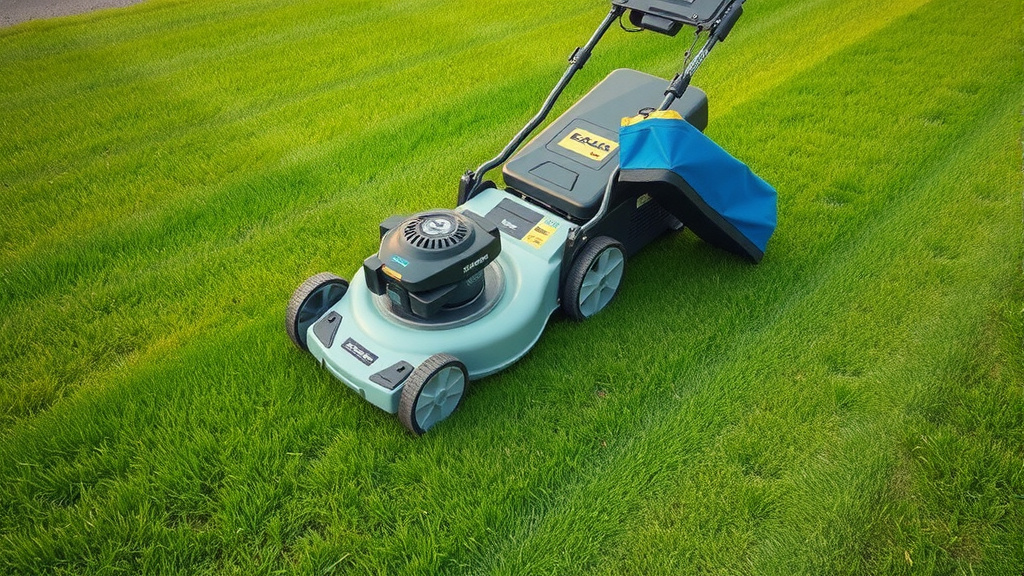
To remove a grass bag from your lawn mower, first turn off the engine and disconnect the spark plug for safety. Then, locate the bag’s attachment points, usually clips or a sliding rail, and carefully detach it by lifting or pulling it away from the mower deck.
Emptying a full grass bag regularly is key to efficient mowing and easier bag removal, making sure your machine runs smoothly and safely every time you cut the lawn.
Here’s a quick summary of how to get that grass bag off your mower:
- Always ensure your mower is off and the spark plug is disconnected before starting.
- Identify if your grass bag clips on, slides on, or uses a hinge system.
- Gently unlatch any clips, slide the bag off its rails, or lift it away from a hinged connection.
- Be mindful of weight if the bag is full; it can be heavier than you expect!
- Regular cleaning and proper technique make bag removal a breeze every time.
How To Remove Grass Bag From Lawn Mower?
Removing the grass bag from your lawn mower involves a few simple steps, focusing on safety and understanding your specific mower’s design. You’ll typically unclip, slide, or unhinge the bag from the main deck after ensuring the mower is completely powered down.
Why You Need to Remove the Grass Bag
You might wonder why you’d even need to take off your grass bag. It’s not just about emptying it when it’s full, you know.
Think about maintenance. We found that regular cleaning of the bag prevents mold and mildew growth. It also helps with storage, especially if you have limited space.
An empty bag, or no bag at all, can also improve your mower’s performance. Many experts say that less weight on the back means less strain on the engine (Lawn Mower Manufacturers’ Association).
Safety First: Your Number One Rule
Before you even think about touching that grass bag, stop! Your safety is the most important thing. You wouldn’t want to get hurt over a lawn care task, right?
Always make sure the mower’s engine is completely off. No running, no sputtering. Then, and this is crucial, disconnect the spark plug wire. This simple step prevents any accidental starts while you’re working. Just pull it right off the spark plug.
Understanding Your Mower’s Bag System
Not all grass bags are created equal. Just like cars, lawn mowers come in different styles. Your grass bag will attach in one of a few common ways.
Most mowers use a clip-on, slide-on, or hinged design. Knowing which one you have makes removal much easier. Take a quick look before you start yanking on anything.
Locating the Bag’s Attachment Points
Where does your bag meet the mower? It’s usually at the rear discharge chute. You’ll see handles, frames, or hooks that secure the bag.
These are your attachment points. They are key to understanding how to detach the bag smoothly. A quick visual inspection will tell you a lot.
Step-by-Step Guide: Removing Your Grass Bag
Okay, let’s get that bag off! We’re going to walk through the process together. Remember those safety steps we just covered.
The general idea is to release the bag from its connection. This might mean unlatching, sliding, or lifting. Be gentle but firm.
Removing a Clip-On Grass Bag
Many common walk-behind mowers use a simple clip-on system. These are often the easiest to remove. It’s like unlatching a gate.
You’ll usually find two clips, one on each side, or a single large clip. Just push or pull the clip to release it. Then, the bag should lift right off.
Here’s a quick checklist for clip-on bag removal:
- Turn off the mower engine.
- Disconnect the spark plug wire.
- Locate the retaining clips.
- Push or pull the clips to release them.
- Lift the bag straight up and away.
Detaching a Slide-On Grass Bag
Some mowers feature a slide-on grass bag. These often have a frame that slides onto rails on the mower body. Think of it like a drawer.
To remove this type, you typically need to lift the bag slightly, then pull it straight back. It should slide off its rails. Don’t force it; if it’s not moving, check for obstructions.
Handling a Hinged Grass Bag
Less common, but some older or specialized mowers might have a hinged bag. This means the bag pivots open or is fixed at one end.
You might need to unlatch one side and then lift the bag upwards, using the hinge as a pivot point. We found that these can sometimes be a bit heavier, especially when full.
Troubleshooting Common Bag Removal Issues
Sometimes, things don’t go as smoothly as planned. The bag might feel stuck or be heavier than you anticipated. Don’t worry, we’ve got some solutions.
A little patience goes a long way here. It’s usually a simple fix, not a major problem. Remember, safety first, always!
What If the Bag Feels Stuck?
If your grass bag isn’t budging, don’t just yank harder. That could damage the bag or the mower. Take a breath and assess the situation.
Often, a full bag can get wedged. Try gently wiggling it from side to side. Check for any built-up grass clippings that might be acting as a block. Sometimes, a good shake helps.
Preventing Future Removal Problems
Want to avoid a stuck bag next time? Prevention is always easier than fixing. Little habits make a big difference.
Try not to let your grass bag get completely overflowing. Empty it when it’s about two-thirds full. Also, a quick wipe-down of the attachment points can keep them clean. We found that keeping debris clear improves everything.
When to Empty Your Grass Bag
You might be tempted to let that bag fill to the brim. But research often connects overfilling with reduced mowing efficiency (University Extension Programs).
A too-full bag makes your mower work harder and can actually leave clippings on your lawn. Empty it often for the best results and easier handling.
Maintaining Your Grass Bag After Removal
Removing the bag is only part of the task. Giving it a little TLC after each use can extend its life and keep your lawn healthier. A clean bag means a cleaner cut.
Think about it: a dirty bag can harbor pests or transfer diseases to your lawn. Proper maintenance is key for long-term use.
| Bag Type | Removal Method | Quick Tip |
|---|---|---|
| Clip-On Bag | Release clips, lift up. | Check for two clips, usually on the sides. |
| Slide-On Bag | Lift slightly, pull straight back. | Ensure rails are clear of debris. |
| Hinged Bag | Unlatch, pivot, then lift. | Often heavier, so lift with care. |
Proper Cleaning Techniques
Once you’ve removed the bag and emptied it, consider giving it a good cleaning. You wouldn’t wear dirty clothes, right? Your grass bag deserves the same respect.
Many experts say that rinsing with a hose is usually enough. For tougher grime, a little mild soap and water can work wonders. Let it air dry completely before reattaching or storing it.
Inspecting for Wear and Tear
While cleaning, take a moment to look over your grass bag. Are there any small tears? Fraying seams? A tiny hole can become a big problem quickly.
Catching these issues early can save you money and headaches. Many guidelines point to checking the zipper or drawstring too (Mower Maintenance Guides). Small repairs can extend the bag’s life.
Conclusion
Removing your lawn mower’s grass bag is a straightforward task when you approach it with safety and a little know-how. By understanding your mower’s specific design, whether it’s a clip-on, slide-on, or hinged system, you can detach it smoothly and efficiently.
Remember to always prioritize safety by turning off the engine and disconnecting the spark plug. Regular emptying and a quick clean will keep your bag in top shape, ensuring your mower performs its best every time you cut the grass. It’s a small step that makes a big difference in your lawn care routine.
What should I do if my grass bag is full and very heavy?
If your grass bag is extremely full and heavy, try to empty it halfway first if possible, or enlist help to prevent strain. A very heavy bag can be awkward to remove and lift, potentially causing injury or damage. Always use proper lifting techniques, bending with your knees, not your back.
How often should I clean my lawn mower’s grass bag?
We found that cleaning your grass bag after every two or three uses, or whenever it looks noticeably dirty, is ideal. This prevents grass clippings from compacting and mildew from forming. A quick rinse with a garden hose is usually sufficient.
Can I use my lawn mower without a grass bag?
Yes, many lawn mowers can be used without a grass bag, especially if they have a mulching option or side discharge. If your mower is designed for bagging, using it without the bag might just leave clippings scattered across your lawn. Always check your mower’s manual for specific recommendations.
What are the signs that my grass bag needs replacing?
Signs your grass bag needs replacing include large tears or holes that allow clippings to escape, a heavily frayed or weakened frame, or a stretched fabric that no longer holds its shape. If the bag doesn’t attach securely anymore, it’s also a good sign it’s time for a replacement.
Are grass bags universal, or do I need a specific one for my mower?
Grass bags are generally not universal. Each lawn mower model usually requires a specific bag designed to fit its unique attachment points and discharge chute. Always check your mower’s brand, model number, and part number when looking for a replacement bag to ensure compatibility.
