
How To Tip Over Lawn Mower?
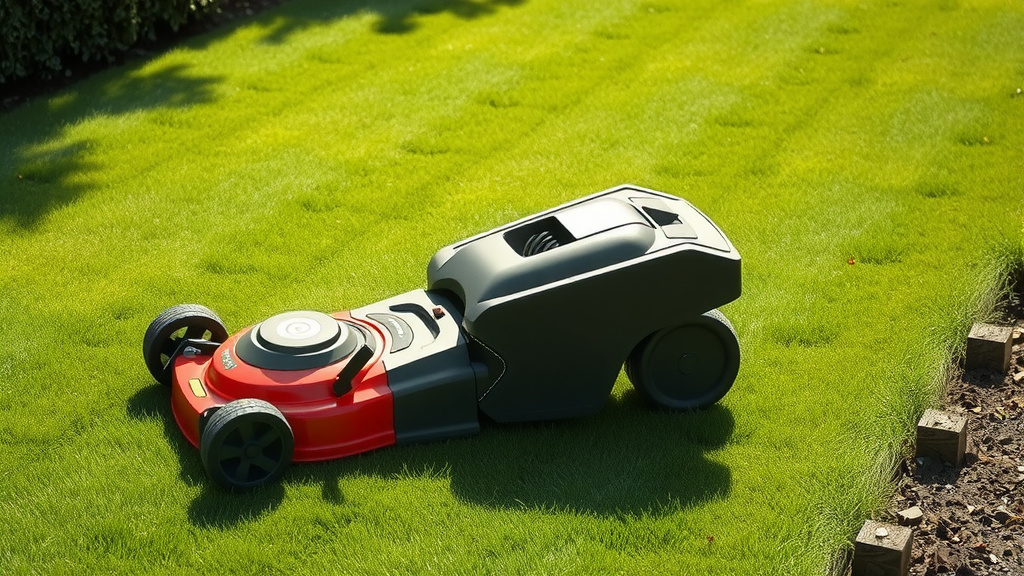
When you need to tip over a lawn mower, always ensure the carburetor and air filter side remains facing upwards to prevent fuel and oil from flooding the engine or leaking out.
For safe tipping, disconnect the spark plug, drain fuel, empty the oil, and use proper lifting techniques to protect yourself and your equipment.
- Always disconnect the spark plug wire first to prevent accidental starting.
- Drain or run your fuel tank empty, and consider removing the oil dipstick or sealing the opening.
- Tip the mower so the carburetor and air filter are facing the sky, not the ground.
- Work on a stable, clear surface to maintain your balance and prevent accidents.
- Return the mower to its operating position slowly and check fluid levels before restarting.
How To Tip Over Lawn Mower?
Tipping your lawn mower might seem simple, but doing it correctly is crucial for both your safety and the mower’s health. We found that improper tipping can lead to engine damage, fuel spills, and even personal injury if you’re not careful.
Safety First: Why This Matters So Much
Think of your lawn mower like a precise machine with delicate internals. Tipping it the wrong way can flood the carburetor with oil, causing difficult starts or even a visit to the repair shop. More importantly, it’s about preventing cuts or burns while you work (Occupational Safety and Health Administration).
When Do You Need to Tip Your Mower?
You’ll likely need to tip your mower for a few common reasons. Perhaps you’re cleaning out stubborn grass clippings from the deck or inspecting the blade for sharpness or damage. Maybe you’re even replacing the blade itself. These tasks require access to the underside, making tipping necessary.
Pre-Tip Checklist: Don’t Skip These Vital Steps!
Before you even think about lifting that mower, let’s go through a quick safety checklist. Taking these steps can save you a lot of trouble and keep you safe. Many experts say a thorough check is the best defense against mishaps.
- Disconnect the spark plug wire. This is your number one priority! It stops the engine from accidentally firing up.
- Run the fuel tank dry, or drain it. Fuel spills are messy and dangerous.
- Remove the oil dipstick or plug the oil filler tube. This prevents oil from leaking out.
- Clear your work area of children, pets, and any obstacles. You need plenty of room to maneuver.
- Wear sturdy gloves to protect your hands from sharp blades or hot engine parts.
- Ensure the ground is stable and level where you plan to tip the mower.
Which Side is the Right Side to Tip Your Mower?
This is arguably the most important question. You must always tip your mower with the carburetor and air filter side facing upwards. Why? Because this keeps oil from flowing into places it shouldn’t, like the air filter or exhaust system, which can cause smoke or starting problems later.
Understanding Your Mower’s “Sensitive” Side
Every mower has a side that’s more vulnerable to fluid leaks. We found that the side with the oil fill cap or dipstick is often the one to watch. If you’re unsure, generally keep the side with the exhaust pipe facing down, as it’s less likely to cause issues.
Step-by-Step: Tipping Your Mower Safely
Ready to lift? Follow these steps carefully to ensure a smooth, safe process. It’s like a slow, controlled dance with your machine, making sure every movement counts.
Disconnect the Spark Plug
Again, this cannot be stressed enough. Pull the rubber boot and wire from the spark plug. This simple act eliminates the risk of accidental starts while you’re working near the blade.
Empty the Fuel and Oil (or Run Dry)
If you haven’t already, ensure the fuel tank is nearly empty. Run the mower until it stalls, or drain the tank using a siphon pump. For oil, if you’re changing it, drain it completely. Otherwise, seal the oil filler tube.
Position Yourself and the Mower
Stand on the opposite side of the mower from where you want it to land. Grip the handle firmly with one hand and the deck with the other. This gives you maximum leverage and control.
Gently Lower the Mower
Using your legs, not your back, slowly lower the mower onto its side. Keep that carburetor side up! The goal is a controlled descent, not a thud. Maintain a firm grip throughout the process.
Why You Shouldn’t Tip It On Its Side Randomly
Tipping your mower without a plan can lead to a messy situation. Oil can seep into the carburetor, air filter, or even the muffler. This can cause excessive smoke when you restart it or, worse, damage engine components over time, as many repair technicians confirm.
Common Mistakes to Avoid
Even seasoned lawn care enthusiasts can make mistakes. Forgetting to disconnect the spark plug is a big one. Tipping it on the wrong side or rushing the process are also common errors. Always remember that patience prevents problems.
| Right Way to Tip | Wrong Way to Tip |
|---|---|
| Spark plug disconnected | Spark plug connected |
| Carburetor side up | Carburetor side down |
| Fuel/oil secured | Fluids can spill |
| Slow, controlled lower | Quick, uncontrolled drop |
| Stable, clear workspace | Cluttered, uneven ground |
Maintaining Your Mower After Tipping
Once your work is done and the mower is back on all four wheels, take a moment. Check your oil level, top up the fuel if needed, and make sure everything is reassembled correctly. A quick check helps ensure your mower is ready for its next task.
What If Your Mower Won’t Start After Tipping?
Uh oh, did it not fire right up? Don’t panic. First, check the spark plug connection. If oil got into the air filter, clean or replace it. Sometimes, just letting it sit upright for a few minutes allows any pooled oil to drain back into the crankcase. We found that a bit of patience often solves the problem without major repairs.
Conclusion
Tipping your lawn mower safely is a fundamental skill for any homeowner. By following these simple yet crucial steps—like disconnecting the spark plug and always keeping the carburetor side up—you protect both yourself and your investment. Remember, a little preparation goes a long way in ensuring your mower stays in top shape and your lawn care tasks remain hassle-free. Your future self will thank you for taking the time to do it the right way.
How often should I tip my lawn mower?
You should only tip your lawn mower when absolutely necessary for maintenance, cleaning, or blade work. Regularly tipping it without cause isn’t recommended, as repeated handling can increase the risk of accidental fluid leaks or minor engine issues over time.
Can I tip an electric lawn mower?
Yes, you can tip an electric lawn mower, but the safety concerns are different. You still need to disconnect the power source (unplug it or remove the battery) to prevent accidental blade rotation. There’s no fuel or oil to worry about leaking, but you should still avoid tipping it onto delicate electronic components or switches.
What if I accidentally tipped my mower on the wrong side?
If you accidentally tipped your mower on the wrong side and notice oil or fuel leaks, immediately return it to the upright position. Check the oil level, clean any spilled fluids, and inspect the air filter for saturation. Let the mower sit for a while (perhaps 30 minutes) to allow fluids to settle before attempting to start it. It might smoke initially, but often recovers.
How long can a lawn mower stay tipped over?
It’s best to keep your lawn mower tipped over only for the duration of the task you need to complete. Prolonged tipping, especially on the incorrect side, increases the chances of fluid leakage, engine flooding, and potential component damage. Aim to complete your work efficiently and return it to its operating position as soon as possible.
Do all lawn mowers have the same tipping instructions?
While the general rule of “carburetor side up” applies to most gasoline-powered mowers, always consult your specific mower’s owner’s manual. Some models might have unique design elements or recommendations for maintenance access. Manufacturers provide the most accurate guidance for your particular equipment, ensuring you avoid unintended damage.
