
How To Trash Lawn Mower?
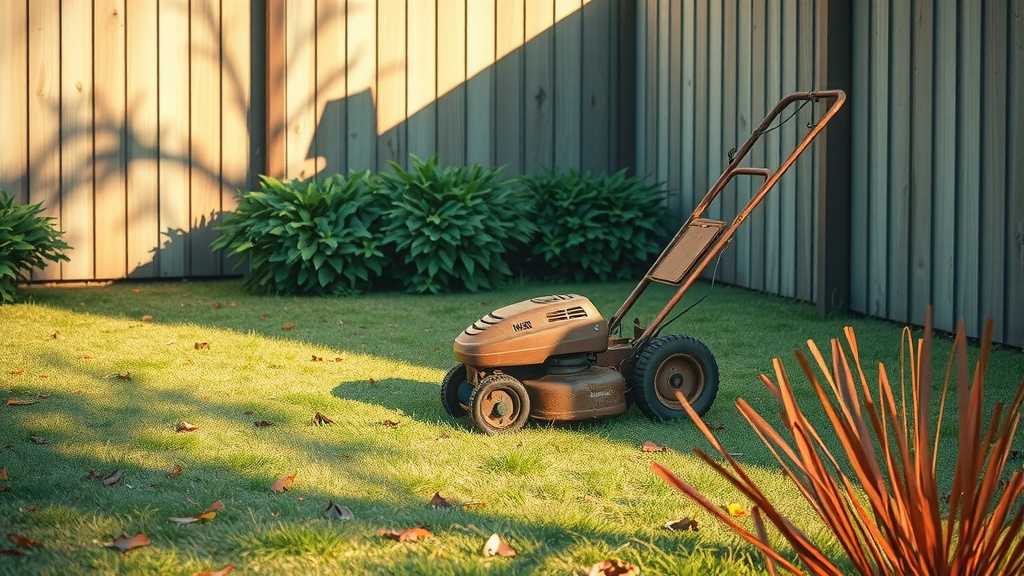
To trash a lawn mower, you generally cannot simply throw it in your regular garbage. Most lawn mowers contain hazardous fluids like oil and gasoline, as well as metal parts, requiring proper disposal through recycling centers or special waste collection events.
Always drain all fuel and oil from the mower before attempting to trash it, and check with your local waste management services for specific guidelines on how to properly dispose of these machines.
- Don’t just toss your old lawn mower; it’s considered special waste.
- Drain all fuel and oil first – these are hazardous and flammable.
- Check local waste management for specific drop-off sites or collection events.
- Consider recycling metal parts or donating if it’s still usable.
- Proper disposal protects the environment and helps you follow local laws.
How To Trash Lawn Mower?
Trashing a lawn mower isn’t as simple as tossing a broken toy. You need to prepare it carefully and find the right disposal channel to avoid fines and environmental harm. It’s a process, but a necessary one.
Is Your Mower Really Trash?
Before you even think about disposal, pause for a moment. Is your lawn mower truly beyond repair, or could it still serve a purpose? Sometimes, a simple fix brings it back to life.
Repair or Replace? A Quick Check
Before declaring your mower trash, consider its age and condition. Is it just a clogged fuel line, or is the engine totally seized? Many minor issues are cheap fixes.
We found that small engine repair shops often offer diagnostics. A quick check can save you money and keep a working machine out of the landfill.
Why Proper Mower Disposal Matters
You might wonder why all this fuss about an old piece of equipment. Well, a lawn mower isn’t just metal and plastic. It contains substances that are bad for the environment.
Environmental Impact You Should Know
Gasoline and oil are toxic pollutants. If they leak into the ground, they can contaminate soil and water supplies. This affects plants, animals, and even people.
Many environmental agencies remind us that proper disposal prevents this pollution. It’s about protecting our planet for future generations.
Legalities of Disposing a Lawn Mower
Most places have rules against throwing hazardous waste into regular trash. You could face fines if you just leave your mower at the curb. Local waste management services usually have clear guidelines.
Always check your city or county website for their specific regulations. It saves you headaches and keeps you on the right side of the law.
Step-by-Step: Preparing Your Mower for Disposal
Okay, you’ve decided it’s time to say goodbye to your mower. Now, let’s get it ready. This preparation is the most important step.
Draining the Fuel Safely
Gasoline is extremely flammable. You must drain every drop from the fuel tank. Use a siphon pump or tilt the mower to drain it into a safe, approved container.
Never pour gasoline onto the ground or down a drain. Store it properly for reuse in other equipment, or dispose of it at a hazardous waste facility (EPA guidelines).
Removing Engine Oil
Engine oil also needs to go. Locate the oil drain plug, usually on the bottom of the engine. Place a pan underneath and let the oil flow out completely.
Seal the used oil in a container, like its original bottle. Many auto parts stores or service stations accept used motor oil for recycling.
Handling Other Fluids (Coolant, etc.)
Some riding mowers have coolant or hydraulic fluid. These also require careful draining and disposal. Treat them as hazardous waste, just like fuel and oil.
Refer to your mower’s owner’s manual for specific instructions on draining these extra fluids. Safety first, always.
Battery Removal for Electric Mowers
If you have an electric or battery-powered mower, remove the battery. Lithium-ion and lead-acid batteries are recyclable, but not with regular trash. Look for special battery recycling programs.
Many electronics stores or recycling centers offer battery drop-off points. This helps recover valuable materials and prevents pollution (Call2Recycle).
Here’s a quick checklist for preparing your mower:
- Drain all gasoline.
- Drain all engine oil.
- Remove the spark plug.
- Remove the battery (if applicable).
- Clean off any excessive dirt or grass clippings.
- Detach grass bag or other accessories.
Where Can You Actually Trash a Lawn Mower?
Once your mower is fluid-free and prepped, it’s time to find its final destination. You have a few options, depending on your location. It’s not a one-size-fits-all solution.
Local Recycling Centers and Facilities
Many community recycling centers accept appliances or scrap metal. They often have dedicated areas for lawn mowers. Call ahead to confirm their policies and any potential fees.
We found that some centers even take the entire mower once fluids are drained. This is a common and environmentally sound method.
Hazardous Waste Collection Events
Your city or county might host special hazardous waste collection days. These events are perfect for items like old mowers, paints, and chemicals. Keep an eye on your local public notices.
These events ensure that trained personnel handle the items safely. It’s an easy way to dispose of problematic items without extra hassle.
Scrap Metal Yards
If your mower is mostly metal and you’ve removed all non-metal parts and fluids, a scrap metal yard might take it. They often pay by weight for certain metals. It’s a way to get a little cash back.
Ensure the mower is truly empty of all liquids. Scrap yards are strict about this for safety reasons. You wouldn’t want to bring a fire hazard to their facility.
Retailer Take-Back Programs
Some lawn mower retailers offer take-back programs when you buy a new mower. This can be super convenient. Always ask about this option when you’re making a new purchase.
Not all stores offer this, but it’s worth asking. It simplifies disposal and shows that the retailer cares about responsible product life cycles.
Consider Alternatives to Trashing
Before you commit to trashing, what if your mower could still bring joy or utility to someone else? Thinking outside the trash bin can be quite rewarding.
Donating a Usable Mower
Is your mower old but still works fine? Many charities or non-profits accept working lawn mowers. They can use them for maintenance or sell them to fund their causes. Think about a community garden.
This is a fantastic way to extend its life and help others. It’s a win-win for everyone, especially the planet and local groups.
Parts for Sale or Upcycling
Even a broken mower might have valuable parts. Someone else might need a working wheel, a handle, or a grass bag. List these on local marketplaces. You could make a few dollars.
Creative folks even upcycle old mower engines or frames into art or other projects. One person’s trash can definitely be another’s treasure.
Here’s a comparison of common disposal options:
| Disposal Method | Pros | Cons |
|---|---|---|
| Local Recycling Center | Environmentally sound; often free/low cost. | Requires fluid drainage; transport needed. |
| Hazardous Waste Event | Handles fluids safely; experts manage disposal. | Limited dates/locations; might require advance booking. |
| Scrap Metal Yard | May pay for metal; recycles materials. | Strict fluid removal; must be mostly metal. |
| Donation | Extends life; supports charity; tax deductible. | Only for working mowers; need to find recipient. |
Conclusion
Trashing a lawn mower properly is a small but meaningful act of environmental responsibility. It’s not just about getting rid of an old machine; it’s about making sure its components don’t harm our planet. By following these steps, you’re doing your part to keep your community clean and green. So, take the time to prepare and dispose of your old mower the right way. Your lawn, and the world, will thank you.
How do I drain gas from a lawn mower that won’t start?
Even if your mower won’t start, you can still drain the gas. Use a siphon pump inserted into the fuel tank opening to draw out the fuel. Alternatively, you might be able to disconnect the fuel line from the carburetor and let the gas drain into a sealed container, but this can be messier.
Can I just leave my old mower at the curb for bulk trash pickup?
Generally, no. Most bulk trash services do not accept items with hazardous fluids like gas and oil still inside. You must drain all liquids first. Always check your local waste management’s specific guidelines for bulk item pickup; some may require special arrangements even after fluids are removed.
Are electric mowers easier to dispose of than gas mowers?
Electric mowers are often simpler because they don’t have gasoline or engine oil to drain. However, their batteries (especially lithium-ion) are considered hazardous waste and require separate recycling. You’ll still need to remove the battery and dispose of it properly at a designated recycling facility.
What if my lawn mower is too heavy for me to move?
If your mower is too heavy, consider hiring a junk removal service. Many companies specialize in picking up large appliances and will handle the proper disposal, often for a fee. Ensure they understand it’s a lawn mower and ask about their fluid disposal policies upfront.
Can I sell my broken lawn mower for parts?
Yes, absolutely! Even a non-working mower can have valuable components like wheels, handles, certain engine parts, or the grass bag. You can list these items on online marketplaces or contact local small engine repair shops. It’s a great way to reuse parts and potentially make a little money.
