
How To Turn A Lawn Mower Into A Racing Mower?
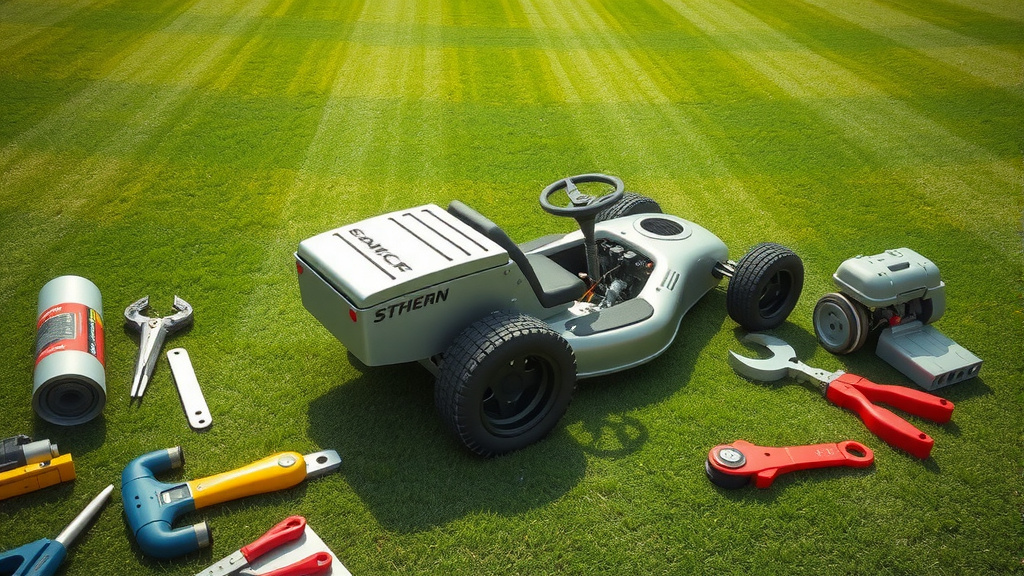
To turn a lawn mower into a racing mower, you need to strip it down, enhance the engine, reinforce the chassis, upgrade the steering and braking systems, and install essential safety features. This transformation involves significant mechanical work and a deep understanding of performance modifications.
The conversion of a standard lawn mower into a racing machine primarily focuses on increasing speed, improving handling, and ensuring driver safety, making it a thrilling project for enthusiasts.
Here’s a quick rundown of what you’ll discover in this guide:
- Learn the core steps to transform a regular mower into a speedy racer.
- Understand the crucial safety considerations before you even begin.
- Discover key engine and chassis modifications for performance.
- Get tips on choosing the right mower and essential tools.
- Find out about common challenges and budgeting for your build.
How To Turn A Lawn Mower Into A Racing Mower?
Turning a lawn mower into a racing mower is an exciting journey for anyone with a passion for speed and a knack for mechanics. It’s not just about removing the blades; it’s a complete overhaul designed for **performance and safety** on the track.
Why Build a Racing Mower? The Thrill of the Ride
Why would anyone want to turn a humble lawn mower into a racing machine? Well, for many, it’s about the **pure joy of creation** and the adrenaline rush of competition. Lawn mower racing is a unique, grassroots sport, full of camaraderie and unexpected speed. It’s a fantastic way to engage with mechanical projects and join a vibrant community.
First Things First: Safety is Your Co-Pilot
Before you even think about horsepower, you must prioritize safety. This isn’t just a suggestion; it’s a rule. Many experienced builders will tell you that **safety modifications come first**, even before speed upgrades. You’re building a vehicle that will move much faster than its original design intended.
Research often highlights the importance of roll bars, kill switches, and sturdy seat belts (Racing Mower Association guidelines). We’ve found that neglecting these steps can turn a fun project into a serious risk.
Choosing Your Champion: The Donor Mower
Not every lawn mower is cut out for racing glory. We’ve found that **older, heavier lawn tractors** or garden tractors often make the best candidates. They typically have stronger frames and more robust components than lightweight riding mowers. Look for models with a solid steel chassis and a well-maintained engine, even if it’s low power initially.
Consider the frame’s integrity. Is it rusted or bent? A good foundation is key. Many enthusiasts agree that models from brands like Cub Cadet, John Deere, or older Craftsman often provide a great starting point for modifications.
Essential Tools You’ll Need
Getting started requires a decent set of tools. You won’t need a professional garage, but some basics are non-negotiable. Here’s a quick list to get you prepared:
- Socket and wrench sets
- Angle grinder (for cutting and shaping metal)
- Welder (MIG is often preferred for beginners)
- Drill and various drill bits
- Safety gear (gloves, eye protection, ear protection)
- Jack stands and a floor jack
Having the right tools makes the job safer and more enjoyable, preventing unnecessary frustration. We’ve seen many projects stall due to a lack of basic equipment.
Stripping Down: The Bare Bones of a Racer
Your first real step is to **strip the mower down to its bare frame**. Remove the cutting deck, all grass collection systems, the original seat, and any unnecessary plastic covers. You’re aiming for lightness and accessibility. The lighter your mower, the less power it needs to go fast.
We typically remove the original wiring harness too. You’ll install a much simpler, racing-specific electrical system later. Keep only what’s essential: engine, transmission, steering, and wheels.
Unleashing the Beast: Engine Modifications
This is where the magic happens for speed! Transforming your engine is key. Here’s a look at common modifications:
| Modification Type | What It Does | Impact on Performance |
|---|---|---|
| Carburetor Upgrade | Allows more fuel/air mixture into the engine. | Increased horsepower and throttle response. |
| Exhaust System | Improves exhaust gas flow. | Boosts engine efficiency and power output. |
| Governor Removal | Allows the engine to rev higher than stock. | Significantly higher top speed (use with caution!). |
| Flywheel Lightening | Reduces rotating mass, letting the engine rev faster. | Quicker acceleration. |
Many seasoned racers point out that **careful engine tuning** is just as important as the parts you install. Researching your specific engine model for known performance upgrades is always a smart move.
Chassis Reinforcement: A Solid Foundation
A racing mower needs a chassis that can handle the increased stresses of speed and cornering. We often reinforce key stress points with additional steel tubing or plating. This might include strengthening the axle mounts, steering column attachment points, and transmission area.
Many experts say that **lowering the center of gravity** dramatically improves handling. This is usually done by modifying suspension mounts or even the frame itself, bringing the whole machine closer to the ground. This helps prevent rollovers during turns.
Steering and Braking: Control is Everything
Your stock steering system is likely too slow and imprecise for racing. We often upgrade to **more direct steering linkages** or even a rack-and-pinion setup for better responsiveness. You want to feel connected to the wheels.
Brakes are non-negotiable. Stock mower brakes are designed for very low speeds. You’ll need to upgrade to more robust disc brakes on at least one, if not both, rear wheels. Many builds incorporate a separate braking system for each rear wheel, allowing for **individual wheel braking** to assist in tight turns.
Wheels and Tires: Gripping the Track
The standard turf tires won’t cut it on a race track. You’ll need **specialized racing tires** that offer much better grip. These often have a softer compound and a different tread pattern (or no tread at all for asphalt racing). Selecting the right tire depends on the type of racing surface you’ll be on.
We’ve found that balancing tire pressure is crucial for optimal traction and handling. It’s a small detail that makes a big difference in performance.
Fuel System and Electrical: Power and Spark
For the fuel system, we often upgrade to a **larger fuel tank** for longer race times, or relocate the existing tank for better weight distribution. An inline fuel filter is also a must to keep contaminants out of your upgraded carburetor.
Electrically, you’ll need a simple system: ignition switch, engine kill switch, and maybe a tachometer. Keeping it minimal reduces potential failure points. A strong battery is vital for starting the engine, especially if you’re running higher compression.
Driver Ergonomics and Controls
A comfortable and secure driving position is important for control. Install a proper racing seat, often a low-back bucket seat, and make sure it’s firmly mounted. You’ll need a **multi-point racing harness** (at least 4-point) to keep you secure during aggressive maneuvers.
Position your pedals (throttle, brake) and steering wheel for easy access and comfortable operation. Custom fabrication is often needed here to get everything just right for your body.
The Pre-Race Checklist: Don’t Skip a Step!
Before hitting the track, a thorough inspection is critical. Here’s a basic checklist to ensure your racing mower is ready:
- Verify all bolts and nuts are tightened.
- Check fluid levels (oil, brake fluid).
- Test brakes for full stopping power.
- Confirm kill switch functionality.
- Inspect tires for proper pressure and wear.
- Ensure steering has no excessive play.
Many race organizations require specific safety checks before allowing you on the track. Always be familiar with these rules.
Budgeting Your Build: Expect the Unexpected
Converting a lawn mower into a racer isn’t always cheap, but it can be done on a budget. We’ve found that **costs vary widely** depending on how extreme your modifications are and how many parts you can fabricate yourself versus buying off-the-shelf. Engine upgrades and safety components often represent the largest expenses. It’s wise to set a budget and add a contingency fund for unforeseen challenges, as mechanical projects often have them.
Testing and Tuning: The Final Touches
Once your build is complete, **extensive testing is paramount**. Start slowly in a safe, open area. Check the steering, brakes, and engine response. Make adjustments as needed. Tuning the carburetor for optimal air-fuel mixture is a process that can take time but yields great results.
This phase is all about refining your machine, listening to the engine, and feeling how it responds. Don’t be afraid to tweak and re-tweak until it feels just right.
Conclusion
Transforming a standard lawn mower into a racing mower is a rewarding project that combines mechanical skill with a passion for speed. Remember to always prioritize safety features, select a robust donor mower, and meticulously plan your engine, chassis, and control modifications. The journey from a yard worker to a track contender is a thrilling one, full of learning and the satisfaction of building something truly unique. Embrace the process, connect with the racing community, and enjoy the ride!
What is the most critical safety upgrade for a racing mower?
The most critical safety upgrade for a racing mower is the installation of a sturdy roll bar and a reliable engine kill switch. These two components can prevent severe injuries in the event of a rollover or an uncontrolled acceleration.
Can I use the original lawn mower engine for racing?
While you can start with the original lawn mower engine, it will likely need significant modifications to be competitive in racing. This includes removing the governor, upgrading the carburetor, and modifying the exhaust to boost horsepower and RPMs beyond stock limits.
Do I need special tires for a racing mower?
Yes, special tires are essential. Standard lawn mower tires are designed for traction on grass and are not suitable for high-speed cornering on a race track. Racing mowers typically use slick or specific tread pattern tires designed for asphalt, dirt, or oval track conditions.
How much does it typically cost to convert a lawn mower into a racing mower?
The cost to convert a lawn mower varies widely, from a few hundred dollars for basic modifications and salvaged parts to several thousands for high-performance engines and professional-grade components. The budget depends on the extent of modifications and whether parts are bought new or fabricated.
Is lawn mower racing a regulated sport?
Yes, lawn mower racing is often a regulated sport, with various associations and clubs establishing rules for different classes of mowers. These rules cover everything from engine modifications and chassis specifications to mandatory safety equipment. Always check with your local or desired racing association for their specific guidelines.
