
How To Use A Lawn Mower For Beginners?
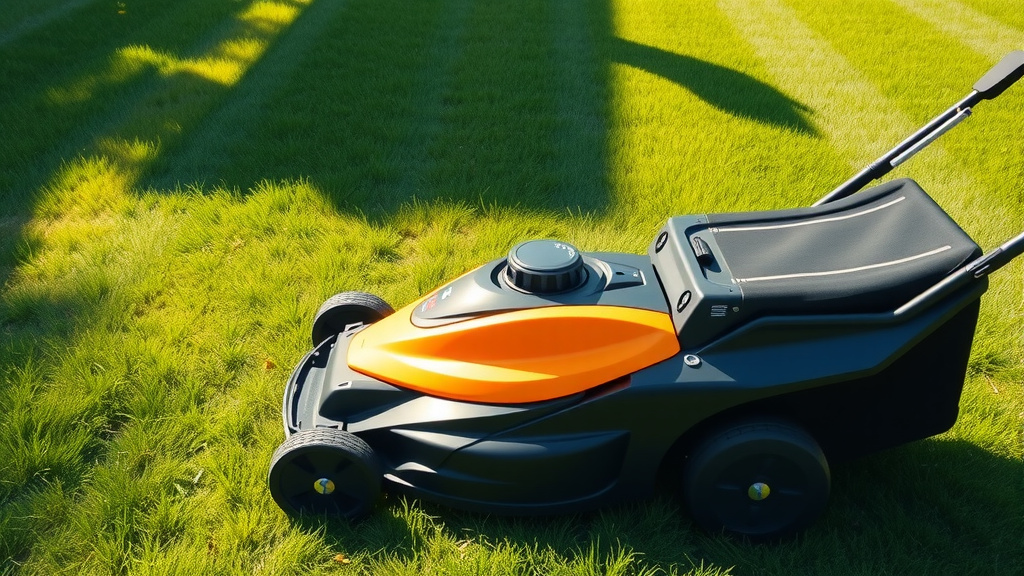
To use a lawn mower for beginners, first, read your owner’s manual for specific instructions and safety guidelines, as each model can vary.
Then, perform essential safety checks, clear your lawn of debris, set the appropriate cutting height, and mow in overlapping rows for an even, healthy cut.
Here’s what you need to know about using a lawn mower:
- Before you start, always prioritize safety and check your mower thoroughly.
- Clear your lawn of any obstacles to prevent damage or injury to yourself or your machine.
- Choose the right cutting height; generally, higher is better for grass health and drought resistance.
- Use a systematic mowing pattern, like overlapping rows, for a neat and even finish across your entire yard.
- After mowing, clean your machine properly and store it safely to ensure its longevity.
How To Use A Lawn Mower For Beginners?
Using a lawn mower for beginners involves understanding your machine, prioritizing safety, and following a few simple steps for an even and healthy lawn.
It’s about feeling confident and achieving a great-looking yard without stress or frustration.
Why Mowing Matters for Your Lawn
Mowing your lawn regularly isn’t just about appearance; it’s a vital part of lawn health.
When you mow, you encourage grass to grow thicker and stronger, creating a more resilient turf that can better resist weeds and pests (University of California Agriculture and Natural Resources).
Think of it as giving your lawn a fresh haircut, stimulating new growth.
Picking Your Perfect Mower
Choosing the right mower can feel overwhelming with so many options. Don’t worry, we’ll break it down.
Your lawn’s size, terrain, and your personal preferences all play a role in finding the best fit.
Push Mowers
Push mowers are great for smaller, flatter yards and offer a good workout. They are generally more affordable and require less maintenance.
Self-Propelled Mowers
For larger yards or those with slight inclines, a self-propelled mower is a game-changer. It takes the effort out of pushing, letting the machine do the work, which we found makes mowing much less tiring.
Electric Mowers
Electric mowers, both corded and battery-powered, are quieter and produce zero emissions. We found them excellent for smaller to medium yards, offering convenience and ease of use.
Gas Mowers
Gas mowers offer power and longer run times, making them ideal for large properties or tough, thick grass. They do require more maintenance and are generally louder, but many experts say they are still the workhorse for big jobs.
Here’s a quick comparison to help you decide:
| Mower Type | Pros | Cons | Best For |
|---|---|---|---|
| Push | Lightweight, affordable, good exercise | Requires physical effort, not for large yards | Small, flat lawns |
| Self-Propelled | Less effort, handles inclines, faster | Heavier, more expensive, more complex | Medium to large lawns, hilly terrain |
| Electric (Battery) | Quiet, cordless, no gas/oil, low maintenance | Limited run time, batteries may degrade | Small to medium lawns |
| Gas | Powerful, long run time, handles thick grass | Noisy, emissions, more maintenance (fuel, oil) | Large lawns, very thick grass |
Safety First: Your Mowing Commandments
Before you even think about starting your mower, remember: safety is paramount. Lawn mowers are powerful tools, and respecting their power prevents accidents.
Many experts stress wearing proper gear and checking your surroundings before each mow (Occupational Safety and Health Administration).
Gear Up for Safety
What should you wear? Think protection!
- Sturdy, closed-toe shoes are a must, not flip-flops.
- Long pants can protect your legs from flying debris.
- Safety glasses shield your eyes from unexpected objects.
- Ear protection is wise, especially with gas mowers, as they can be quite loud.
Pre-Mow Lawn Check
This quick check saves you headaches and keeps your lawn mower running smoothly.
Before you even think about starting your mower, run through this quick checklist:
- Clear your lawn of any sticks, stones, or toys that could turn into dangerous projectiles.
- Check the oil and fuel levels (for gas mowers). You don’t want to run out halfway through.
- Ensure the blade is sharp and secure. A dull blade tears grass, inviting disease.
- Inspect the mower for loose parts or damage that might cause issues during operation.
- Make sure your grass isn’t wet from rain or dew; wet grass clogs the mower and is slippery.
Getting Ready to Mow
With safety covered and your mower chosen, let’s prepare for action. A little prep makes a big difference in your mowing experience.
Fueling Your Gas Mower
If you have a gas mower, always fill it up outdoors before starting, never indoors. Ensure the engine is cool.
Spilled gas is a fire hazard, so clean up any drips immediately. Remember to use the correct type of fuel as recommended by your manual.
Charging Your Electric Mower
For battery-powered electric mowers, make sure your battery is fully charged. We found that a fresh charge provides the best power and avoids mid-mow interruptions.
Corded electric mowers simply need to be plugged into an appropriate outdoor outlet.
Adjusting the Cutting Height
This is where you control your lawn’s look and health. Many experts say that cutting too short stresses the grass, making it vulnerable.
Aim to cut only the top one-third of the grass blade. We found that a higher cut generally leads to a healthier, greener lawn (Purdue University Extension).
Mowing Like a Pro: Techniques and Tips
Now for the fun part! Let’s get that lawn looking fantastic. It’s simpler than you might think.
Starting Your Mower
Different mowers have different starting procedures. For gas mowers, you usually prime it a few times and pull the starter cord. Electric mowers often have a simple push-button start.
Always read your manual for the exact starting sequence.
The Art of Overlapping Rows
Imagine your lawn as a canvas and your mower as a paintbrush. For an even cut, mow in straight, overlapping rows.
Overlap each pass by a few inches to ensure you don’t miss any strips. This creates a clean, uniform look and prevents unsightly streaks.
Tackling Slopes Safely
Mowing on slopes needs extra care. With a push mower, mow across the slope, not up and down. This prevents the mower from rolling over your feet.
With a riding mower, go up and down the slope. Always be mindful of your footing and maintain control (Consumer Product Safety Commission).
Dealing with Wet Grass
Try to mow when the grass is dry. Wet grass clumps, clogs your mower, and can make you slip.
If you absolutely must mow wet grass, do it slowly and be prepared to empty the grass bag more often. It’s generally not recommended for optimal results.
After the Mow: Clean Up and Care
You’ve done a great job! But the work isn’t quite over. A little post-mow care keeps your machine happy and ready for next time.
Emptying the Grass Bag
If your mower has a grass bag, empty it frequently. A full bag reduces cutting performance and can make the mower heavier to push.
Consider using the clippings as mulch for your garden; they are a rich source of nutrients.
Cleaning Your Mower
Once the engine is off and cool (or unplugged for electric), clean the underside of the deck. Grass clippings can build up and affect performance.
Use a brush or a stick to scrape off any stuck-on grass. We found that a clean deck ensures a better cut and longer mower life.
Storing Your Machine
Store your lawn mower in a dry, protected area, like a shed or garage. For gas mowers, consider adding a fuel stabilizer or running the tank dry for winter storage to prevent fuel issues.
Always ensure your mower is out of reach of children and pets.
Conclusion
Using a lawn mower for the first time can seem like a big task, but with these guidelines, you’re well on your way to a perfectly manicured lawn. Remember to prioritize safety, understand your machine, and take your time.
With practice, you’ll feel confident and efficient, enjoying the satisfaction of a beautifully maintained yard. Your lawn will thank you!
What safety gear should I wear when using a lawn mower?
You should always wear sturdy, closed-toe shoes, long pants, safety glasses, and hearing protection, especially with gas mowers, to protect yourself from debris and noise.
How high should I set my lawn mower blade?
Most experts recommend setting your mower blade to cut only the top one-third of the grass blade. This usually means a higher setting, which promotes healthier, stronger grass growth.
Can I mow my lawn when the grass is wet?
It’s generally not advisable to mow wet grass. Wet clippings can clog your mower, make the ground slippery, and often result in an uneven cut. It’s best to wait until the grass is dry.
How often should I clean my lawn mower deck?
You should clean your lawn mower deck after every use, or at least every few uses, to prevent grass clippings from building up. This buildup can affect cutting performance and lead to rust.
What is the “one-third rule” in lawn mowing?
The “one-third rule” means you should never cut more than one-third of the grass blade’s total height at a time. This practice helps prevent shocking the grass, which can lead to stress and disease, encouraging healthier regrowth.
