
How To Use A Lawn Mower Jack?
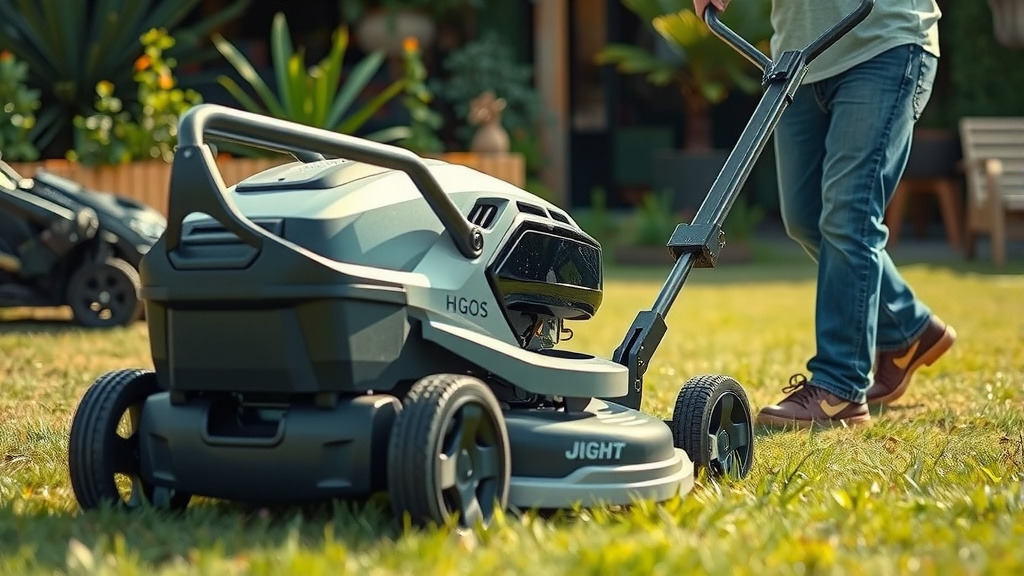
To use a lawn mower jack, first ensure your mower is off, spark plug disconnected, and fuel cap sealed. Position the jack under a sturdy frame point, lift slowly, and always secure the mower with jack stands or safety pins before working underneath it.
A lawn mower jack makes maintenance tasks like blade sharpening or deck cleaning safer and much easier by lifting the machine to a comfortable working height.
Looking for the quick rundown? Here’s what you need to know about using a lawn mower jack:
- Always prioritize safety: disconnect the spark plug and stabilize the mower.
- Choose the right jack for your mower’s size and weight.
- Lift the mower slowly and use secondary support like jack stands.
- A lifted mower makes blade sharpening, deck cleaning, and belt changes much simpler.
- Never work under a mower supported only by the jack.
How To Use A Lawn Mower Jack?
Using a lawn mower jack correctly allows you to perform essential maintenance with ease and safety. This guide will walk you through each step, ensuring you protect both yourself and your equipment.
Why Even Use a Lawn Mower Jack?
Have you ever struggled to reach the underside of your lawn mower? It can be a real pain, not to mention a safety risk. A mower jack lifts your machine, giving you better access and a stable platform for various tasks.
Many experts say working on a flat, stable surface is key for safety. Trying to tilt a heavy mower can lead to strain or accidents. A good jack eliminates that struggle, making your maintenance routine much simpler and safer.
What Maintenance Does a Jack Help With?
With your mower safely elevated, a whole world of maintenance opens up. You can easily sharpen dull blades, scrape off caked-on grass, or even change belts and clean the deck. It transforms awkward tasks into straightforward, accessible jobs.
Choosing the Right Jack for Your Machine
Not all jacks are created equal. Your first step is to pick one suitable for your specific lawn mower. Consider the mower’s weight and size to ensure the jack can handle it safely. A riding mower will need a more robust jack than a push mower, naturally.
We found that hydrostatic transmission mowers often require specific lifting points, so checking your mower’s manual is always a smart move. Look for jacks designed specifically for lawn tractors or zero-turn mowers if that’s what you own.
Key Features to Look For
When shopping for a jack, look for features like a wide base for stability and a secure locking mechanism. Some models offer hydraulic lifting for effortless raising. Many reputable brands offer jacks with safety pins and sturdy construction, which are important for peace of mind.
Safety First: Your Pre-Lift Checklist
Before you even think about lifting your mower, safety must be your top priority. This isn’t just a suggestion; it’s a rule. Skipping these steps could lead to serious injury or damage to your equipment. Think of it like a pilot’s pre-flight check – absolutely essential for a smooth operation.
Mower Preparation Steps
- Turn Off the Engine: Make sure the mower is completely off. No exceptions.
- Disconnect the Spark Plug: This prevents any accidental starts while you’re working. Just pull the wire off.
- Remove the Key (Riding Mowers): Keep it in your pocket.
- Engage the Parking Brake: If your mower has one, set it firmly.
- Secure the Fuel Cap: Ensure it’s tightly sealed to prevent spills.
- Work on a Flat Surface: Always use the jack on a level, hard surface, like concrete.
Research often connects proper equipment preparation with a significant reduction in workplace accidents (OSHA guidelines). Taking these few minutes truly makes a difference.
Step-by-Step: Lifting Your Lawn Mower Safely
Now that your mower is ready, it’s time to lift it. This process needs care and precision. Don’t rush it. Imagine you’re gently lifting a sleeping giant; slow and steady wins the race.
Finding the Strong Point for Your Jack
Identify the proper lifting points on your mower. These are usually sturdy frame components designed to bear weight. Never lift by the engine, deck, or plastic parts. Your mower’s manual will show you the designated jack points. Place the jack squarely under this point.
The Gentle Lift Process
Begin raising the jack slowly and deliberately. As the mower lifts, continually check its stability. If anything feels wobbly or unstable, lower it immediately and reposition the jack. You want the mower to feel solid and balanced as it ascends.
Securing Your Mower After Lifting
Once the mower reaches your desired height, you absolutely must secure it. This means using jack stands or the safety pins built into your jack. Never, ever rely solely on the hydraulic jack to hold the mower up. Many guidelines point to secondary support as a good first step before working underneath (NHTSA).
Making the Most of Your Elevated Mower
With your mower safely suspended, you now have a perfect view and easy access to its underside. This is where the jack truly shines, turning awkward tasks into simple ones. You’ll find yourself able to reach every nook and cranny.
Blade Care and Cleaning
The most common task is blade maintenance. You can easily remove, sharpen, or replace the blades. While you’re there, take time to scrape off any grass clumps or debris that might be sticking to the blades or the deck. A clean deck ensures better grass cutting and prevents rust.
Deck Maintenance and Inspection
Beyond the blades, inspect the entire deck for damage, cracks, or excessive wear. Check belts for tension and fraying. You can also clean out any blockages in the discharge chute. This regular inspection helps to catch minor issues before they become major, costly problems.
Safely Bringing Your Mower Back Down
Lowering your mower requires the same care as lifting it. First, remove any tools or debris from underneath. Then, slowly release the jack’s pressure, allowing the mower to descend gradually. Keep an eye on the mower as it comes down, ensuring it lands evenly on all wheels.
Once it’s on the ground, remove the jack and stands, and reconnect your spark plug wire. Give everything a quick once-over before you try to start it. A careful descent helps prevent any sudden jolts that could stress mower components.
Common Pitfalls When Using a Mower Jack
Even with good intentions, mistakes can happen. Being aware of common errors can help you avoid them. We found that most incidents happen when people rush or skip vital safety steps. Here’s a quick look at some common issues:
| Pitfall | Why It’s Dangerous | Safe Practice |
|---|---|---|
| Lifting on uneven ground | Increases instability, tipping risk. | Always use a firm, level surface. |
| No spark plug disconnection | Engine could accidentally start. | Pull the spark plug wire every time. |
| Working under jack-only support | Jack failure can lead to severe injury. | Always use jack stands or safety pins. |
| Lifting by the deck or engine | Can damage mower, cause instability. | Use manufacturer-specified frame points. |
Is It Always Necessary to Use a Jack?
For quick checks, like seeing if a blade is bent after hitting a rock, a jack might not be strictly necessary. However, for any task requiring you to place hands or tools near the blades or underneath the deck, a jack is not just helpful—it’s a critical safety tool.
When Professionals Should Take Over
Sometimes, a repair or maintenance task is beyond the scope of a home mechanic. If you encounter complex engine problems, electrical issues, or major structural damage, it’s best to call in a professional. They have the specialized tools and expertise to handle tricky situations safely.
Don’t be afraid to seek help. Knowing your limits is a sign of wisdom, especially when it comes to machinery that can be dangerous. A professional service can often diagnose and fix issues more efficiently, ensuring your mower runs at its best (Consumer Reports).
Here’s a quick checklist to keep in mind for every lift:
- Is the engine off and cool?
- Is the spark plug disconnected?
- Are you on a flat, solid surface?
- Is the jack correctly positioned on a frame point?
- Are jack stands or safety pins ready to use?
- Have you checked for overall stability?
Conclusion
Using a lawn mower jack is a game-changer for anyone who wants to perform mower maintenance safely and efficiently. By following the steps outlined here – prioritizing safety, choosing the right equipment, and being careful with each lift and lower – you can keep your lawn mower in top shape. It’s about empowering you to take charge of your equipment’s health, all while staying safe.
What is the safest way to lift a lawn mower?
The safest way to lift a lawn mower is by using a dedicated lawn mower jack, ensuring the engine is off and cool, the spark plug is disconnected, and the mower is secured with jack stands or safety pins once lifted. Always work on a flat, stable surface.
Can I use a car jack to lift a lawn mower?
While technically possible, using a car jack for a lawn mower is generally not recommended due to stability concerns. Car jacks are designed for specific vehicle lift points and often lack the wide, stable base or specific attachments needed for a mower’s frame. A dedicated lawn mower jack is much safer.
How often should I clean the underside of my lawn mower deck?
It’s a good practice to clean the underside of your lawn mower deck after every few uses, or at least once a month during peak mowing season. Caked-on grass can reduce cutting efficiency, lead to rust, and even strain the engine, so regular cleaning is beneficial.
Do all lawn mowers have specific jack points?
Most riding lawn mowers and many robust push mowers have specific, reinforced frame points designated for lifting. Always consult your mower’s owner manual to identify these points, as incorrect placement can cause damage or instability.
What should I do if my mower feels unstable on the jack?
If your mower feels unstable at any point while on the jack, immediately lower it slowly and safely. Reassess your setup: check the ground for levelness, ensure the jack is correctly positioned on a sturdy frame point, and confirm the jack’s capacity matches your mower’s weight before attempting to lift again.
