
How To Warm Up A Lawn Mower?
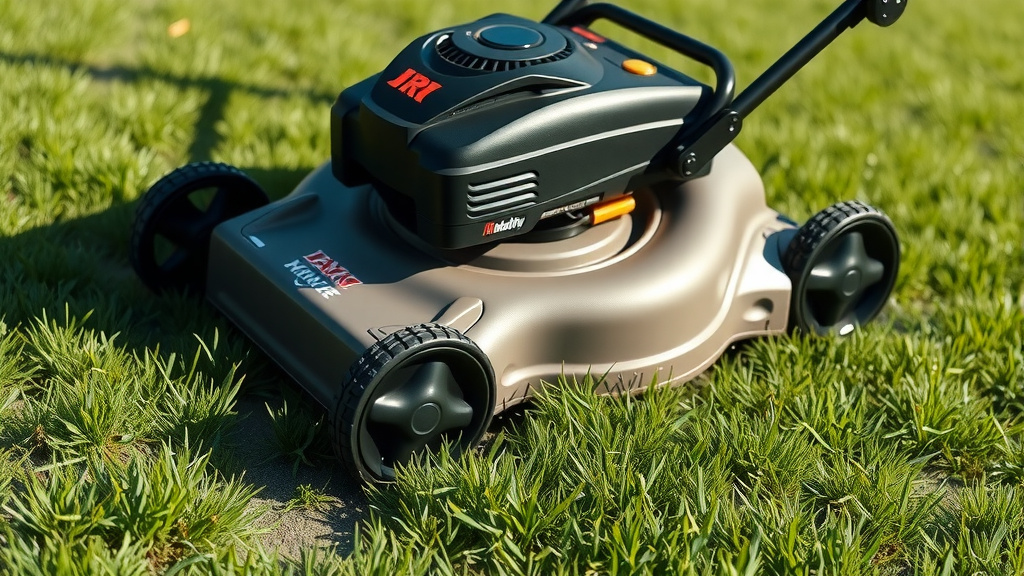
To warm up a lawn mower, begin by checking the fuel and oil, then start the engine using the choke and primer bulb if equipped.
Allow it to idle for 30 seconds to 2 minutes, depending on the engine and weather, before engaging the blades or beginning light mowing tasks.
Here’s a quick summary of what you need to know:
- Always check your fuel and oil before starting your mower.
- Use the choke and primer bulb as directed by your mower’s manual.
- Let the engine run at idle for a short period, typically 30 seconds to two minutes.
- Ease into mowing with lighter loads first to help the engine adjust.
- A proper warm-up helps prevent engine wear and ensures smoother operation.
How To Warm Up A Lawn Mower?
Warming up a lawn mower properly involves a few simple steps to ensure your engine runs smoothly and lasts longer. You want to give it a moment to get its bearings, just like you might stretch before a workout.
Why Bother Warming Up Your Lawn Mower?
You might wonder if a warm-up is really necessary for a small engine. We found that a brief warm-up period helps the engine’s internal components reach optimal operating temperatures. This ensures the oil flows correctly to all moving parts, providing proper lubrication.
Think of it like easing into your day. A little preparation helps everything run much better. Many experts say this small routine can significantly extend the life of your mower (Briggs & Stratton guides).
Is Warming Up Really Necessary?
For most gas-powered lawn mowers, a short warm-up is a good idea. Modern engines are quite robust, but giving them a moment to circulate oil helps protect them from unnecessary stress. It’s especially helpful for older models or during colder weather conditions.
The Right Way to Start Your Mower
Before you even think about warming up, let’s ensure you start it correctly. Most mowers have a primer bulb or a choke lever. These parts are your friends when you’re getting the engine going from cold.
Many guidelines point to using the choke on cold starts (Kohler Engine manuals). This restricts airflow, making the fuel mixture richer and easier to ignite. If your mower has a primer bulb, pressing it a few times delivers a small burst of fuel directly to the carburetor.
Your Pre-Warm-Up Checklist
Before you even pull the cord, a quick check can save you headaches. We found that neglecting these basic steps often leads to starting problems later on. It’s a good habit to form every time you mow.
- Check the Fuel Level: Make sure you have enough fresh, clean gasoline.
- Inspect the Oil Level: Proper oil lubrication is crucial for engine health.
- Clean the Air Filter: A dirty filter restricts airflow, making starting difficult.
- Check Spark Plug: Ensure it’s clean and properly gapped for a strong spark.
The Gentle Warm-Up Process: Step-by-Step
Once your mower is prepped, it’s time to bring it to life. This process is about being gentle with your machine. Avoid immediately revving it high or pushing it into heavy work.
Start it Up
If your mower has a primer bulb, press it 3-5 times, then set the choke to the ‘Start’ or ‘Full Choke’ position. Pull the starter cord firmly until the engine catches. You should hear it cough to life.
If it has an auto-choke, simply pull the cord. Don’t keep pulling the cord if it doesn’t start; check your primer/choke settings again. Listen for that initial rumble.
Idle Time
Once the engine starts, you can usually push the choke lever halfway or fully open after a few seconds. Allow the mower to idle for about 30 seconds to two minutes. This allows the oil to circulate and the engine parts to warm up gently.
You’ll notice the engine sound smooth out as it warms. It becomes a more consistent hum rather than a sputtering cough.
Light Work
After idling, don’t immediately dive into thick, wet grass. Start with a lighter section of your lawn, perhaps a thin patch or an area that was recently mowed. This helps the engine gradually adjust to a working load.
Gradually increase the workload. This helps the engine reach its full operating temperature and ensures it’s ready for tougher tasks without strain. Ease into your mowing routine.
How Long Should You Warm Up a Lawn Mower?
For most push mowers, 30 seconds to 2 minutes of idling is sufficient. In very cold weather, you might extend this to 3-5 minutes. We found that consistency is key, not necessarily duration.
Research often connects short, consistent warm-ups with better long-term engine health (SAE International studies). Just enough time for everything to get moving.
What Happens if You Don’t Warm It Up?
Skipping the warm-up might not cause immediate damage, but it can lead to accelerated wear over time. Cold engine parts experience more friction due to thicker oil, which can increase internal strain.
Many experts say this can shorten the overall lifespan of your engine. It’s like asking your muscles to sprint without stretching; you might do it, but it’s not ideal.
Different Mower Types, Different Approaches
While the core idea of warming up is similar, different types of mowers have slightly different needs. Understanding your specific machine helps you tailor the warm-up process.
Walk-Behind Mowers
These are the most common and usually the simplest. The warm-up process described above (primer, choke, idle) applies directly here. They are designed for straightforward use.
Just ensure you’re on a level surface when starting and letting it idle. Safety first, always.
Riding Mowers
Riding mowers often have larger engines and more controls. You’ll still use a choke if present, but the starting procedure might involve a key ignition. Allow these engines a slightly longer idle time, perhaps 1-3 minutes.
Also, ensure all safety interlocks are engaged (e.g., parking brake, PTO disengaged) before starting. We found that following the owner’s manual is especially important for complex riding mowers.
Electric Mowers
Electric mowers, whether corded or battery-powered, don’t require a warm-up period like gasoline engines. They don’t have internal combustion that needs to reach operating temperature. Just press the button and go!
However, you should still ensure batteries are charged and blades are clear. Instant power is a perk of electric.
Understanding Your Mower’s Engine
Most gasoline mowers use a four-stroke internal combustion engine. During a warm-up, the goal is to get the engine oil flowing freely and to allow the metal parts to expand slightly to their normal operating clearances. This helps reduce friction and wear.
It’s about getting all the gears turning smoothly, metaphorically speaking. This little bit of care makes a big difference in longevity.
Common Warm-Up Mistakes to Avoid
While warming up is beneficial, you can make mistakes. Avoiding these common pitfalls will help keep your mower healthy.
Here’s a quick table comparing what to do versus what not to do:
| Action | Do This | Avoid This |
|---|---|---|
| Starting | Use choke/primer as directed. | Over-choking or excessive priming. |
| Idling | Idle for 30s-2min. | Revving engine immediately. |
| Workload | Start with light mowing. | Cutting thick grass right away. |
| Maintenance | Regular fuel/oil checks. | Ignoring warning signs. |
Seasonal Warm-Up Tips
Weather plays a role in how your mower responds. In colder temperatures, engines need a bit more time to warm up. The oil is thicker, and the metal is colder.
Allow an extra minute or two of idle time during frosty mornings. Conversely, on a hot summer day, the warm-up period can be slightly shorter. Adjust for the climate.
When Your Mower Just Won’t Start
If your mower refuses to start even after following warm-up steps, don’t despair. Common issues include stale fuel, a dirty spark plug, or a clogged air filter. Sometimes, the problem is simpler than you think.
We often find that fresh fuel solves many starting issues. If not, a quick check of the spark plug and air filter usually reveals the culprit. Troubleshooting is key.
A Quick Warm-Up Checklist
To make your life easier, here’s a simple checklist to keep in mind every time you start your mower:
- Check fuel and oil levels.
- Engage choke or prime the engine.
- Pull starter cord until engine fires.
- Disengage choke partially or fully.
- Allow 30 seconds to 2 minutes of idle.
- Begin mowing with light tasks.
Conclusion
Giving your lawn mower a brief warm-up is a small effort that yields big rewards. It’s a simple act of care that protects your engine, ensures smoother operation, and helps your machine last longer. By understanding how to warm up a lawn mower, you’re not just starting an engine; you’re investing in its future.
So, the next time you head out to tackle your lawn, take that extra minute. Your mower will thank you with reliable performance and a longer life. Happy mowing!
How do I start a cold lawn mower in the morning?
To start a cold lawn mower, first check the fuel and oil. Engage the choke lever to the ‘Full Choke’ position, and press the primer bulb 3-5 times if your mower has one. Then, pull the starter cord firmly until the engine starts. Once running, slowly disengage the choke.
Can I use my lawn mower immediately after starting it?
While you can use it immediately, it’s not recommended. Allowing the engine to idle for 30 seconds to 2 minutes helps engine oil circulate properly and allows components to reach operating temperature, which reduces wear and tear over time.
How long should a riding lawn mower warm up?
For a riding lawn mower, a slightly longer warm-up of 1 to 3 minutes is generally advisable, especially in colder weather. This allows the larger engine and its systems to properly lubricate and stabilize before engaging the transmission or blades.
What are the signs my lawn mower is warmed up enough?
Your lawn mower is usually warmed up enough when the engine sound becomes smooth and consistent, without sputtering or laboring. You might also notice a slight change in the exhaust note. The engine should run without needing the choke to stay on.
Do electric lawn mowers need to warm up?
No, electric lawn mowers (corded or battery-powered) do not require a warm-up period. They operate differently from gasoline engines and are ready to use as soon as they are turned on. Just ensure the battery is charged or the cord is plugged in.
