
Is a Battery Powered Chainsaw Worth It?
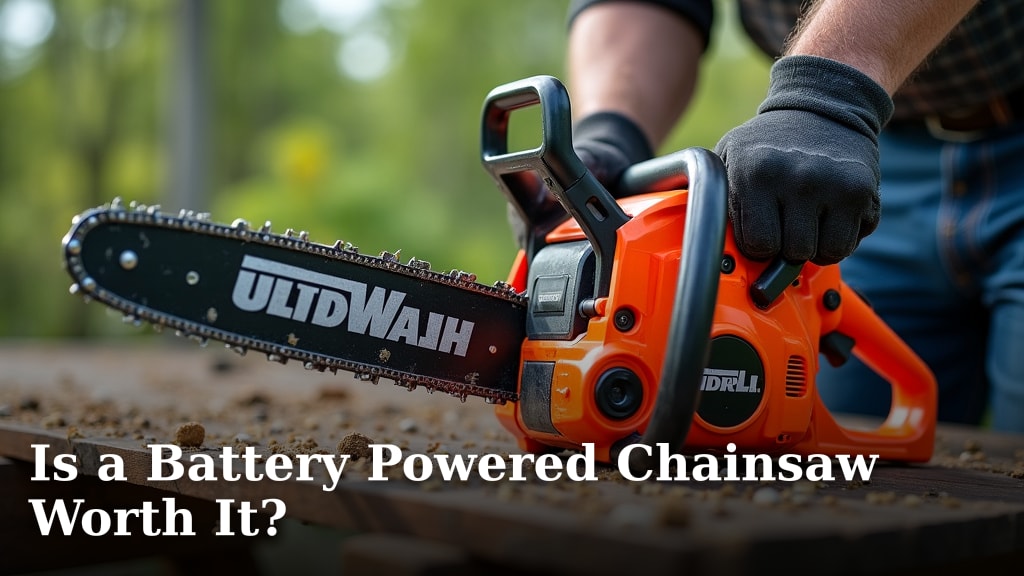
Yes, a battery-powered chainsaw is worth it for many homeowners and even pros, offering convenience and power for most common tasks. We found these tools are great for quick jobs and lighter cutting.
You might be wondering if an electric model can really handle tough backyard work. Our research shows that for tasks like trimming branches or felling small trees, battery chainsaws perform very well. They are a strong alternative to gas models for many users.
- Instant Start: No pull cords, no fuss.
- Less Noise: Much quieter than gas chainsaws.
- Zero Emissions: Better for you and the environment.
- Easy Maintenance: No gas, oil, or spark plugs to worry about.
- Good Power: Enough for most homeowner and light professional jobs.
Let’s dive into what makes these cordless wonders so popular and if one is the right choice for your cutting needs.
Evaluating the Value of Battery Powered Chainsaws
So, you’re asking if a battery-powered chainsaw is a good investment for your needs. The short answer is yes, for a lot of people. These tools offer a surprising blend of power and practicality. We’ve seen them become a go-to for homeowners and even some professionals.
Think about your typical yard tasks. Are you mostly trimming branches? Do you need to cut up fallen limbs after a storm? Or maybe you’re felling smaller trees. For these kinds of jobs, cordless chainsaws really shine. They’ve changed the game for many users.
Understanding Power and Performance: Are They Strong Enough?
When you think chainsaw, you probably imagine a roaring gas engine. Battery chainsaws are different. They don’t have that same loud rumble. But don’t let the quiet fool you. Many modern battery models pack a serious punch. They can handle a surprising amount of work.
Manufacturers have made huge strides in battery technology. This means more power and longer runtimes. You’re getting tools that are more capable than ever before. They’re not just for light-duty tasks anymore.
Comparing Power to Gas Models
It’s natural to compare them to gas chainsaws. Gas models have traditionally been the kings of raw power. They’re built for heavy-duty, all-day logging. But that’s often overkill for home use. Most homeowners don’t need that much power. For those needing maximum power and run time for heavy-duty tasks, our guide to the best gas chainsaws offers robust options.
Battery chainsaws excel in different areas. They deliver instant torque. This means they get to full power right away. You don’t have to warm them up. They’re ready to cut when you are. For many jobs, this instant power is incredibly useful.
Battery Voltage and Amp-Hours Explained
When you look at battery chainsaws, you’ll see numbers like “40V” or “80V.” This is the voltage. Higher voltage generally means more power. You’ll also see “Ah,” which stands for amp-hours. This tells you how long the battery will last. More amp-hours mean longer run time.
For most typical homeowner tasks, a 40V or 60V system works well. If you have bigger jobs or more frequent use, an 80V system might be better. Consider your needs before picking a voltage. It directly impacts your tool’s capability.
The Practical Advantages You’ll Love
Beyond raw power, battery chainsaws bring a host of practical benefits. These often outweigh the power difference for homeowners. They make your work easier and more pleasant. Think about your experience with traditional tools. These are different.
Ease of Use and Maintenance
Picture this: You need to cut a few branches. With a gas saw, you’d mix fuel, pull a cord multiple times, and deal with fumes. With a battery saw, you just pop in a charged battery and press a button. It starts instantly. No struggling, no frustration.
Maintenance is also a breeze. You don’t have spark plugs to change. There’s no air filter to clean. You won’t drain old fuel or worry about carburetor issues. Just keep the chain sharp and oiled. This simplicity is a huge plus for many users.
Noise and Emissions: A Breath of Fresh Air
Gas chainsaws are loud. Really loud. They can be hard on your ears and your neighbors’. Battery chainsaws are significantly quieter. You can often talk over them. This makes working more enjoyable. It also means less disruption for those around you.
Another big benefit is zero emissions. Gas saws produce exhaust fumes. These aren’t good for you or the environment. Battery saws produce none. You’re not breathing in harmful gases. This is a healthier choice for everyone (Environmental Protection Agency).
Portability and Convenience
No cords means true freedom. You’re not tied to an outlet. You can take your chainsaw anywhere on your property. This makes clearing brush in a back corner much easier. You’re not lugging around heavy gas cans either.
They’re often lighter than their gas counterparts. This reduces fatigue. You can work longer without getting as tired. This added comfort makes a real difference. We found that users appreciate the nimble feel of these tools.
When a Battery Chainsaw Might Not Be Your Best Choice
While battery chainsaws are great, they aren’t perfect for every situation. It’s important to be realistic about their limitations. Knowing these can help you make the right decision. We want you to be happy with your tool.
Heavy-Duty or All-Day Logging
If you’re a professional logger, or you need to clear acres of dense forest, a battery chainsaw probably isn’t for you. They’re not designed for constant, heavy-duty cutting over many hours. Gas saws still dominate in these very demanding scenarios.
The main limitation here is battery life. Even with multiple batteries, you’ll eventually need to stop and recharge. For all-day work, this can cause delays. Gas saws offer uninterrupted power as long as you have fuel.
Limited Run Time
Battery chainsaws run until the battery dies. Then you have to recharge it. This can take anywhere from 30 minutes to a few hours. Having spare batteries helps. But you still need to plan your work around charge times. This is a key difference from gas models.
Consider the scope of your typical projects. If you frequently need to cut for an hour straight or more, you’ll want multiple batteries. Otherwise, you might find yourself waiting around. Managing battery life is a skill you’ll develop.
How Do Battery Chainsaws Compare to Gas?
Let’s put it simply. Each type of chainsaw has its strengths. We’ve gathered some common comparisons to help you decide. This isn’t about one being “better” than the other. It’s about finding the right tool for your specific needs.
| Feature | Battery Chainsaw | Gas Chainsaw |
|---|---|---|
| Starting | Instant push-button start | Pull cord, often multiple attempts |
| Noise Level | Significantly quieter | Very loud, hearing protection essential |
| Emissions | Zero emissions | Harmful exhaust fumes |
| Maintenance | Very low (chain/bar only) | High (fuel, spark plug, air filter, etc.) |
| Power | Excellent for homeowner/light pro tasks | Highest power for heavy-duty logging |
| Run Time | Limited by battery life (get spares) | Limited only by fuel supply |
| Weight | Often lighter, less fatigue | Heavier, more strenuous to use |
| Fuel Cost | Electricity cost | Gas + 2-stroke oil cost |
Is a Battery Chainsaw Right for YOU? A Quick Checklist
Still on the fence? Let’s quickly run through some questions. Your answers will help you determine if a battery chainsaw is your ideal match. Think about your typical tasks and preferences. This is about making your life easier.
- Do you mostly need to trim branches, cut small trees (under 12-14 inches), or clear storm debris?
- Are you looking for a tool that starts instantly and requires minimal maintenance?
- Is noise a concern for you or your neighbors?
- Do you prefer to avoid mixing gas and oil, and dealing with engine fumes?
- Do you value portability and not being tethered by power cords?
- Are you okay with having spare batteries for longer projects, or can you work in shorter bursts?
If you answered “yes” to most of these, a battery chainsaw is likely an excellent choice for your home and yard work. Many users find them incredibly satisfying to operate. They make chores feel less like work.
Conclusion
You’ve seen how battery-powered chainsaws offer a compelling blend of convenience, lower maintenance, and sufficient power for most home and light professional tasks. They truly excel in ease of use and environmental benefits. If instant starts, less noise, and zero emissions sound good to you, then a battery chainsaw is likely a fantastic fit. Consider your typical projects and invest in spare batteries for longer work sessions. You’ll likely find it makes your outdoor chores much more enjoyable.
Frequently Asked Questions
How long does a battery-powered chainsaw typically run on a single charge?
Run time varies greatly depending on the battery’s amp-hour (Ah) rating and the intensity of your cutting. For light pruning, you might get an hour or more. For continuous, heavy cutting, a battery might last 20-40 minutes. Having spare batteries is key for extended use.
Are battery chainsaws powerful enough to cut through thick wood?
Modern battery chainsaws can handle surprisingly thick wood. Many models can cut logs up to 12-14 inches in diameter with ease. However, for very large trees or extremely dense hardwoods, a gas chainsaw might still be more efficient.
What maintenance is required for a battery chainsaw?
Maintenance for battery chainsaws is minimal. You’ll need to keep the chain sharp and properly tensioned. Regularly check and fill the bar oil reservoir. Beyond that, just keep the tool clean and store batteries in a cool, dry place.
Is it worth investing in higher voltage batteries, like 60V or 80V?
If you have more demanding tasks, or frequently cut thicker branches, a higher voltage battery system (60V or 80V) is often worth the investment. Higher voltage generally translates to more power and better performance. This can make a noticeable difference in cutting speed and efficiency.
Can I use my battery chainsaw in the rain?
It’s generally not recommended to use electric power tools, including battery chainsaws, in the rain. Water can damage the electronics and create a safety hazard. Always check the manufacturer’s guidelines for specific weather-related usage recommendations. It’s best to work on dry days.
