Is a Gas Chainsaw Better Than an Electric One?
On this page (3 sections)
For most homeowners and casual users, an electric chainsaw is generally better than a gas chainsaw because of easier maintenance, lower noise, and less fuss. However, gas chainsaws still offer unmatched power and longer run times for professional or heavy-duty use. The “better” choice truly depends on your specific needs and how you plan to use it.
When you’re choosing between these two types, you’ll want to think about what kind of projects you tackle most often. Do you need something for quick yard clean-ups, or are you felling large trees? We’ve found that each type has its own set of strengths and weaknesses, making the decision quite personal. Your ideal chainsaw should fit your work style and environment.
TL;DR:
- Electric chainsaws are great for light to medium tasks, offering easy starts and low noise.
- Gas chainsaws provide superior power and endurance for demanding jobs.
- Consider your typical cutting needs and power source availability.
- Maintenance is simpler with electric models; gas models require more upkeep.
- Your choice depends on a balance of convenience, power, and environmental factors.
Below, we’ll walk you through the key differences between gas and electric chainsaws, helping you decide which one is the perfect fit for your projects.
Choosing Your Power Tool: Gas vs. Electric Chainsaws
Deciding between a gas and an electric chainsaw boils down to understanding your typical tasks and what each tool excels at. Both have distinct advantages and limitations that directly impact your user experience and project success.
Power and Performance: Cutting Through the Comparison
When it comes to raw power, gas chainsaws often take the lead. They are designed for demanding jobs, offering the muscle needed for large-diameter cuts and prolonged use. Electric models, while powerful in their own right, generally fit lighter tasks better.
Gas Chainsaw Dominance in Heavy-Duty Tasks
If you’re facing down thick logs, felling mature trees, or clearing dense brush, a gas chainsaw is your powerhouse companion. These machines boast higher torque and horsepower, allowing them to slice through hardwood with greater ease. We often find that for serious forestry work or large property maintenance, gas models are simply unmatched.
Electric Chainsaw Strengths for Everyday Chores
For most homeowners, electric chainsaws provide plenty of oomph for common yard work. Trimming branches, cutting smaller logs for firewood, or clearing storm debris are tasks where an electric model truly shines. You’ll find them more than capable for these kinds of jobs, without the extra hassle.
Ease of Use and Maintenance: A Tale of Two Tools
One of the biggest factors in choosing a chainsaw is how easy it is to operate and care for. This is where electric and gas models really diverge, impacting your overall ownership experience.
Starting Your Engine: Pull Cords vs. Push Buttons
Gas chainsaws require a bit more effort to start. You’ll need to pull a cord, often multiple times, and sometimes deal with priming or choke settings. This can be frustrating, especially if the saw has been sitting for a while. Electric chainsaws are a dream to start – usually just a simple press of a button or a flip of a switch, and you’re ready to go. No fuss, no muss.
Fueling and Refueling: The Gas Station vs. The Outlet
With a gas chainsaw, you’ll need to mix oil and gasoline, or buy pre-mixed fuel. This means keeping fuel on hand and remembering to refill. Electric chainsaws, whether corded or battery-powered, simply need to be plugged in or have a charged battery inserted. This eliminates trips to the gas station and the mess of mixing fuel. We find this convenience to be a major selling point for electric models.
Ongoing Care: A Closer Look at Upkeep
Gas chainsaws demand more maintenance. You’ll need to clean air filters, replace spark plugs, and winterize them if they’re stored for long periods. Electric chainsaws are far simpler to maintain. Beyond keeping the chain sharp and oiled, there’s very little to do. Many users appreciate the reduced maintenance burden of electric models (Consumer Reports).
Noise and Emissions: Working with Respect for Your Surroundings
The operational characteristics of your chainsaw can affect not only you but also your neighbors and the environment. Noise levels and exhaust fumes are key differentiators between gas and electric.
The Roar of Gas vs. The Hum of Electric
Gas chainsaws are notoriously loud. Their engines produce significant noise, often requiring hearing protection for safe operation. Electric chainsaws are much quieter. While still producing some noise from the cutting chain, they lack the engine roar, making them more pleasant to use, especially in residential areas. Your ears (and your neighbors) will thank you.
Cleaner Air, Cleaner Work: Emissions Impact
Gas chainsaws emit exhaust fumes, which contain pollutants like carbon monoxide and hydrocarbons. This means you should always use them in well-ventilated outdoor areas. Electric chainsaws produce no direct emissions, making them a more environmentally friendly choice. For those concerned about air quality, this is a clear advantage.
Portability and Run Time: Freedom vs. Endurance
How far can you go, and for how long? These questions are important when considering where and how you’ll use your chainsaw.
Corded vs. Cordless: The Freedom of Movement
Corded electric chainsaws are limited by the length of their extension cord, which can be restrictive. Battery-powered electric chainsaws offer excellent portability, allowing you to move freely without a cord. Gas chainsaws also provide this freedom of movement, as they’re not tethered to an electrical outlet. Battery-powered electric and gas models offer the most mobility.
Working Hours: When Does Your Power Run Out?
Gas chainsaws can run for extended periods, as long as you have fuel available. Their run time is essentially limitless. Battery-powered electric chainsaws are limited by battery life, which can range from 30 minutes to an hour or more depending on the battery size and workload. While you can swap out batteries, there’s still a finite working time. Corded electric chainsaws, however, offer continuous run time as long as they’re plugged in.
Cost and Value: Initial Investment vs. Long-Term Savings
Let’s talk dollars and cents. The upfront cost might differ, but so do the long-term expenses and overall value.
Purchase Price: Getting Started
Generally, corded electric chainsaws are the least expensive to purchase. Battery-powered electric models sit in the middle, especially when factoring in the cost of batteries and chargers. Gas chainsaws often have a higher initial purchase price, particularly for more powerful models. Your budget will play a big role here, but remember to consider more than just the tag price.
Operational Costs: Fuel, Oil, and More
Gas chainsaws incur ongoing costs for fuel and oil. There are also more parts that can wear out and need replacement. Electric chainsaws, especially corded ones, have minimal operational costs – just the electricity. Battery models require charging, but the cost per charge is usually very low. We’ve found that electric models often have lower long-term running costs (Forestry Journal).
Decision Checklist: Your Chainsaw Matchmaker
Still on the fence? Use this quick checklist to pinpoint your perfect chainsaw type:
- Do you primarily cut large trees or dense wood?
- Is unlimited run time essential for your projects?
- Are you comfortable with engine maintenance and fuel mixing?
- Do you need maximum power for professional-level tasks?
- Is cutting in remote areas, far from power outlets, a frequent need?
| Feature | Gas Chainsaw | Electric Chainsaw (Corded) | Electric Chainsaw (Battery) |
|---|---|---|---|
| Power for Heavy Duty | Excellent | Good (Light to Medium) | Good (Light to Medium) |
| Starting Ease | Difficult (Pull Cord) | Easy (Push Button) | Easy (Push Button) |
| Maintenance | High (Fuel, Plugs, Filters) | Low (Chain Sharpening) | Low (Chain Sharpening) |
| Noise Level | High | Low | Low |
| Emissions | Yes (Exhaust Fumes) | None | None |
| Portability | Excellent (No Cords) | Limited (By Cord) | Excellent (No Cords) |
| Run Time | Unlimited (With Fuel) | Continuous (Plugged In) | Limited (Battery Life) |
| Initial Cost | Higher | Lower | Medium (Batteries add to cost) |
Conclusion
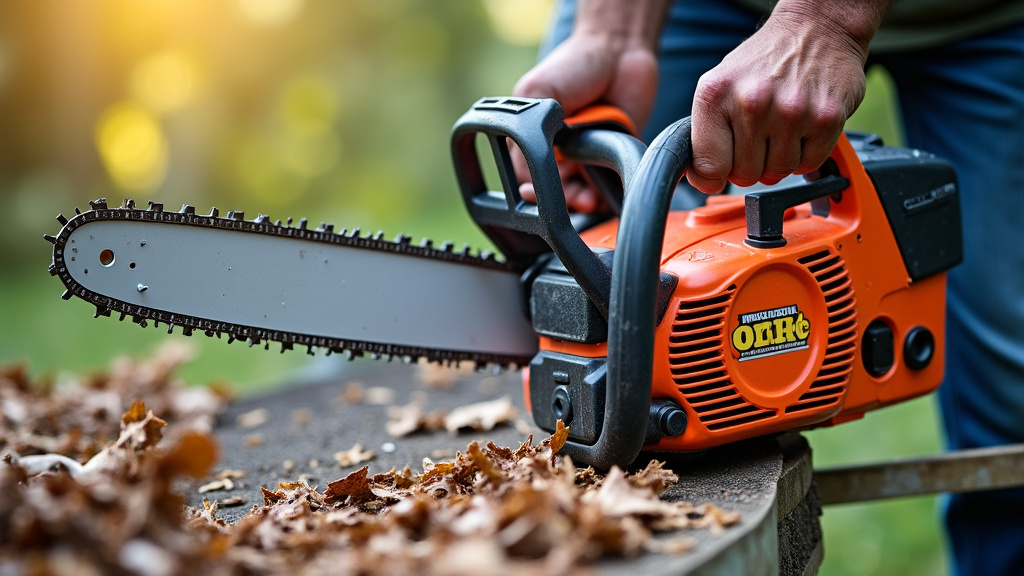
Choosing between a gas and an electric chainsaw ultimately depends on your individual needs. If you tackle heavy-duty tasks like felling large trees, a gas chainsaw offers unmatched power and endurance. For most homeowners, an electric model provides easier maintenance, quieter operation, and sufficient power for common yard work.
Consider your typical projects, how much maintenance you’re willing to do, and whether portability or continuous run time is more important. By weighing these factors, you can confidently select the chainsaw that best fits your lifestyle and helps you get the job done efficiently.
Frequently Asked Questions
Are battery-powered chainsaws powerful enough for cutting firewood?
Yes, many battery-powered chainsaws are quite capable of cutting firewood, especially for smaller to medium-sized logs. Their performance has improved greatly, offering a convenient alternative to gas for many common tasks.
How often do I need to sharpen a chainsaw chain?
The frequency depends on how often you use it and what you’re cutting. We recommend sharpening your chain every few hours of use, or immediately if you hit dirt, rocks, or notice the saw struggling to cut cleanly.
Can I use a gas chainsaw indoors if I have good ventilation?
No, you should never use a gas chainsaw indoors, even with ventilation. Gas chainsaws produce dangerous carbon monoxide fumes, which can be deadly in enclosed spaces. Always use them outdoors.
What’s the main benefit of a corded electric chainsaw over a battery one?
The main benefit of a corded electric chainsaw is its continuous, unlimited run time. As long as it’s plugged in, it will keep working. Battery models, while portable, are limited by their battery life and require recharging.
Do electric chainsaws require oil?
Yes, all chainsaws, including electric ones, require bar and chain oil. This oil lubricates the chain and bar, reducing friction and preventing wear. Always check your chainsaw’s oil reservoir before each use.