Gas vs Electric vs Battery Lawn Mowers: Which Is Better? (November 2026)
Choose gas for longer mowing without a cord, corded electric for a small yard near an outlet, and battery for cordless convenience with a limited runtime. Lawn size, charging or refueling habits, and storage space help settle the lawn mower gas vs electric vs battery decision.
On this page (7 sections)
Gas vs Electric vs Battery Lawn Mowers
Choose gas for mowing without a cord, corded electric for a small lawn near an outlet, and battery for cordless movement with planned charging. Lawn size, runtime, maintenance and convenience shape the lawn mower gas vs electric vs battery choice.
Gas mowers use an engine and gasoline. Corded electric mowers draw power through an extension cord, while battery mowers run on a rechargeable pack.
This comparison explains the tradeoffs among those power sources. If you're comparing mower models too, see our Best Cordless Lawn Mower 2026 guide.


Which lawn mower power source fits your yard?
Gas suits yards where a cord would get in the way; corded electric suits reachable areas; battery suits you when cordless movement matters. The right fit depends on the layout and how long you need to mow at a time.
A compact, open lawn near an outdoor outlet can be easy to cover with a corded mower. Trees, beds, narrow passages and detached sections can make cord management more involved.
A battery mower removes the cord from the mowing path, but you need to start with enough charge for the work. Gas can be refueled between sessions, though it requires fuel and engine care.
How does lawn size affect the choice?
For a small lawn, choose based on access to power and storage as much as area. A corded mower can work when the cable reaches the full lawn without creating a snag or trip hazard.
For a medium or large lawn, think through how long mowing takes and whether breaks are acceptable. Battery options may suit you if the mower's runtime and recharge plan match the job; gas is a practical alternative when you don't want a cord or charging pause.
To compare mower styles for a larger yard, see zero-turn vs riding mowers.
A large area with obstacles can make cord routing frustrating even if the mower can reach it. Measure the farthest point from the outlet and plan a safe route before buying.
How do gas, corded electric and battery runtime compare?
Gas offers repeat mowing after refueling, corded electric draws power while connected, and battery mowing is limited by charge. Exact runtime varies by mower, grass conditions and how much load the mower faces.
A corded mower doesn't need battery recharge breaks, but it only reaches as far as its approved cord setup allows. Keep the cord behind you and away from the blade, and follow the mower manual for extension-cord type and length.
Battery runtime depends on the mower and battery combination. Tall or dense grass can make a mowing session more demanding, so don't rely on a general runtime estimate as a guarantee for your yard.
Gas can keep running after a fuel stop, but refueling takes care and the engine still needs appropriate oil and maintenance. Follow the manual for fuel, storage and service.
What should you plan for battery runtime?
Plan around the area you can mow on one charge, not only the mower's advertised runtime. If the yard is divided into sections, consider whether a recharge between sessions fits your schedule.
Some battery systems use interchangeable packs, but compatibility and capacity vary by brand and model. If you want an EGO option, compare EGO lawn mowers and verify battery compatibility for the model.
Check that the battery and charger included or sold separately meet your needs. For a model example, read the EGO LM2135SP review.
Our guide to the best brushless battery lawn mower can help if you're leaning toward a cordless model. For a focused cost comparison, read Best Cordless Electric Mower Under 3000 dollars.
Which type needs the least maintenance?
Corded electric usually has the simplest power upkeep, battery adds charging and storage care, and gas needs engine and fuel maintenance. Every mower still needs a clean deck and a sharp blade.
With corded electric, there is no engine oil or battery to recharge. Check the cord for damage before use and store it neatly so it stays in good condition.
Battery mowers also avoid gasoline and engine oil. Follow the battery maker's charging and storage instructions, and protect the pack from conditions the manual warns against.
Gas mowers need fresh fuel and regular engine care, which can include oil checks, air-filter care and spark-plug service depending on the model. Use the fuel and oil specified in its manual.
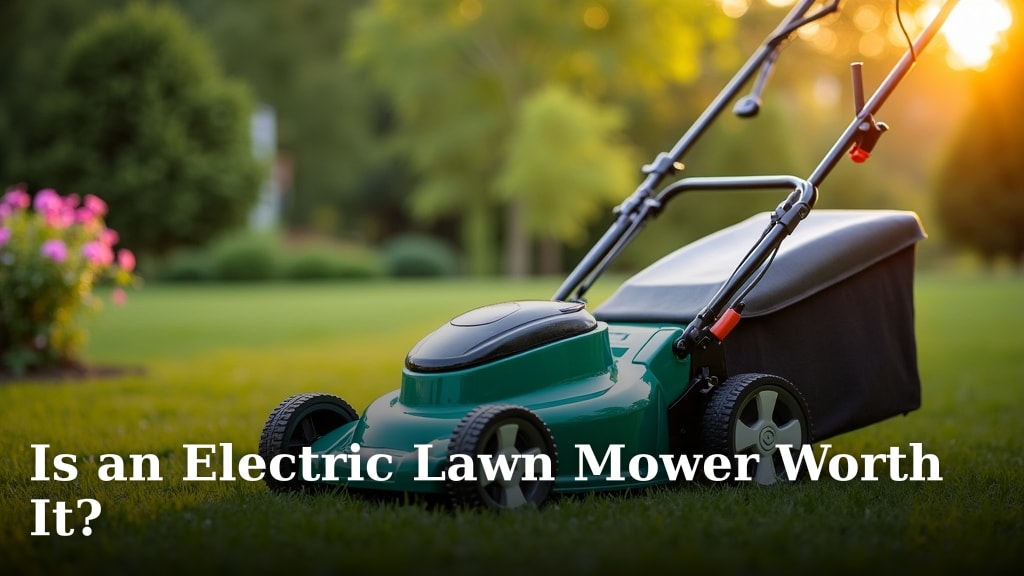
Is an electric lawn mower worth it?
An electric mower can be worth it if you value lower engine upkeep and your yard works with its cord or battery limits. The best choice depends on access to an outlet, area, runtime and storage.
For more detail on the tradeoffs, see Is an Electric Lawn Mower Worth It?. Compare the exact mower's power source, cutting width and maintenance instructions before you buy.
Which mower is easiest to use and store?
Cordless models avoid cord handling, corded models avoid refueling and recharging, and gas models need fuel storage and more routine engine care. Weight, handle setup and storage space can matter as much as power source.
A corded mower asks you to keep track of the cable while turning and passing obstacles. It can be straightforward on an open lawn with a nearby outlet, but less convenient around trees and beds.
A battery mower is free to move across the lawn, though you need to carry and charge its battery. Keep the charger and pack in a suitable dry place according to their instructions.
Gas models need safe fuel storage and care when starting or servicing the engine. Consider whether you have an appropriate place to keep fuel and whether the added upkeep fits your routine.
If easier handling is your priority, compare mower weight and controls alongside power source. Our guides to the Best Corded Electric Mower For Seniors and Best Battery Powered Mower For Seniors focus on those needs.
What should you compare before buying?
Compare cutting width, mower weight, discharge options, runtime or cord reach, and maintenance instructions. These details affect how long mowing takes and how much work setup requires.
Cutting width influences how many passes you'll need, though a wider deck may be harder to maneuver in tight spots. Check the mower's listed weight if you need to lift it into storage or carry it over steps.
For a battery mower, check whether the battery and charger are included, how long a charge lasts under expected conditions and whether extra batteries are available. For a corded mower, confirm the allowed extension cord and whether it reaches the full lawn safely.
For gas, check the engine type, fuel requirements, oil requirements and service schedule. If you want both tools, compare gas mower and trimmer combos.
Also confirm whether the mower bags clippings, mulches or discharges to the side, since not every model offers all three.
Which power source should you choose?
Pick gas if you want to mow without a cord or charging pause and can handle engine care; choose corded electric for a reachable lawn near power; choose battery for cordless convenience and planned charging. Match the mower to your yard's size and obstacles, then confirm weight, cutting width and care needs.
The PowerSmart EasyCut has an 18 in steel deck, a 144cc 4-cycle engine and side discharge. Its height adjustment ranges from 1.5 to 3.9 in, making it one gas option to compare for a small yard.
The SENIX mower is another 18 in gas push mower with a 144cc 4-cycle engine. Its listed weight is 37.5 lb, and its height adjustment has 3 positions.
If battery power is your leading choice, begin with our best cordless mower guide and compare runtime, battery details and yard coverage for each model.
Frequently asked questions
Is a gas lawn mower better than a battery mower?
A gas mower suits you if you want to mow without managing a cord or waiting for a battery to recharge. A battery mower avoids gasoline and engine oil, but runtime depends on its battery and the amount of grass you cut.
Compare the exact mower's specifications and plan around your yard.
Is corded electric or battery better for a small lawn?
Corded electric can suit a small lawn with an outdoor outlet and a clear route for the cord. Battery is more convenient if you need to move freely around trees or across separate areas, but you need enough charge to finish the job.
Are battery mowers easier to maintain than gas mowers?
Battery mowers generally avoid gasoline, engine oil and routine engine care. You still need to keep the mower clean, maintain its blade and follow the battery and charger instructions.
Gas mowers need fuel and engine maintenance according to the owner's manual.
Can a corded electric mower handle a large lawn?
It can if the cord reaches every area safely and you can manage it without crossing the blade's path. Long or divided lawns make cord handling less convenient, so measure the route and check the mower's approved extension-cord guidance before choosing one.
How do I choose between gas, corded and battery mowers?
Choose by the work routine you can manage: gas for mowing without a cord, corded electric for a reachable area near an outlet, or battery for cordless movement and planned charging. Also compare mower weight, cutting width, storage space, noise rules and the upkeep you are willing to do.