Leaf Blower vs Leaf Vacuum: Which Do You Need? (November 2026)
Pick a leaf blower if you want to move leaves fast into piles, and pick a leaf vacuum if you want to collect and mulch them in one pass. In this leaf blower vs leaf vacuum comparison, the FAOGO and corded BLACK+DECKER blowers lead for moving debris, while the ZEGJAW and BLACK+DECKER 3-in-1 models lead for collecting it.
On this page (11 sections)
- Leaf blower vs leaf vacuum: the quick answer
- The two side by side
- Moving leaves into piles: where blowers win
- Collecting leaves directly: where vacuums win
- Blow, vacuum and mulch in one tool
- Cordless or corded: which power source fits your yard?
- Weight, reach and comfort on long jobs
- Tips to help you choose a leaf blower
- Who should buy which model?
- Care, setup and safe use for both types
- Leaf blower vs leaf vacuum: the final verdict
Choose a leaf blower to move leaves into piles fast, and choose a leaf vacuum to collect and mulch them for disposal. The leaf blower vs leaf vacuum choice depends on whether you prefer blowing first and bagging later, or collecting in one shorter pass.
A blower pushes leaves across lawns, driveways and patios. A vacuum pulls leaves into a bag and often shreds them, so each bag holds more.
Some tools do both. The models here include blower-only options and 3-in-1 blower, vacuum and mulcher options, so you can match the job to the tool.

 Best for cordless collecting
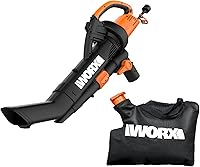
ZEGJAW 3-in-1 Cordless Leaf Blower Vacuum Mulcher
Our score weighs specs, features and buyer feedback against what you're shopping for.
Leaf blower vs leaf vacuum: the quick answer
A leaf blower wins for speed on hard surfaces, while a leaf vacuum wins for one-pass collection and mulching. This leaf blower vs leaf vacuum split is the core decision for most buyers.
Blowers move leaves into piles for raking or bagging. Vacuums collect leaves directly and mulch them, which cuts down on trips to the bin.
The FAOGO cordless blower suits light blowing on patios and decks. For another battery handheld option, see the EGO LB6151 blower review.
The ZEGJAW 3-in-1 suits cordless collecting with a 45L bag.
The BLACK+DECKER corded blower suits simple outlet-powered blowing. The BLACK+DECKER backpack model suits corded vacuuming and mulching with strong airflow.
For mower-mounted collection setups, see leaf vacuums for lawn mowers.
If you have a small patio and a few trees, a blower alone may be enough. If you have many leaves and hate bagging loose piles, a vacuum or 3-in-1 is worth a closer look.
The two side by side
Blower-only tools move debris, while 3-in-1 tools move, collect and mulch it. The table below shows the practical split between the 4 models here.
| Model | Main job | Power | Airflow | Collection |
|---|---|---|---|---|
| FAOGO | Blow | Battery, 2 included | Turbo motor design | None, blower only |
| ZEGJAW 3-in-1 | Blow, vacuum, mulch | Battery, 2 included | 360 CFM, 170 MPH | 45L bag |
| BLACK+DECKER Electric | Blow | Corded, 7-Amp | 180 CFM, 180 MPH | None, blower only |
| BLACK+DECKER Leaf Blower | Blow, vacuum, mulch | Corded | 400 CFM, 250 MPH | Backpack bag |
The FAOGO uses a turbo motor design and lists 26+ minutes of total runtime with 2 batteries. It includes extended interfaces for roofs and gutters, plus a storage bag.
The ZEGJAW lists 170 MPH and 360 CFM, with 5 speeds plus TURBO mode. It includes 2 x 4.0Ah batteries and a 45L bag.
The BLACK+DECKER corded blower lists 180 MPH and 180 CFM at 4.4 pounds. It includes a blow tube and built-in cord retention.
The BLACK+DECKER backpack model lists 250 MPH and 400 CFM with a POWERBOOST button. It includes a backpack bag, blow tube and vac tube.
What the numbers mean in plain terms
Air speed helps you move leaves across a surface. Airflow helps you move a wider stream of leaves and debris.
A higher airflow can clear a driveway faster. It can also scatter leaves into beds if you aim carelessly.
Mulching matters for disposal. Shredded leaves take less bag space, so you empty less often.
Bag size matters too. A larger bag means fewer stops, but a full bag gets heavier to carry.
Moving leaves into piles: where blowers win
A leaf blower is the fastest way to gather scattered leaves on lawns, driveways and patios. You push leaves into piles, then rake, scoop or bag them.
Our guide to how to use leaf blower on lawn explains how to work in sections so piles stay where you put them. Short passes beat wide swings around trees and beds.
The FAOGO suits one-handed control on decks, cars and gutters. Its lightweight, ergonomic grip helps when you need to aim at edges and corners.
The BLACK+DECKER corded blower suits driveways and sidewalks near an outlet. At 4.4 pounds, it is easy to carry for focused cleanup.
Blowers also clear light snow, grass clippings and sawdust from hard surfaces. The FAOGO maker says it blasts wet leaves, stubborn dirt and even light snow from patios and gardens.
The trade-off is simple. A blower moves debris, but it does not collect it for you.
Plan a second step for every pile. A rake, a tarp or a wide dustpan can speed up bagging after blowing.
Collecting leaves directly: where vacuums win
A leaf vacuum collects leaves into a bag as you work, so you skip loose piles and extra bagging. This is the main advantage in a leaf blower vs leaf vacuum comparison.
The ZEGJAW 3-in-1 lists a 45L non-woven bag that is sturdy, reusable and washable. Its impeller shreds 12 bags of leaves into 1, according to the maker.
That mulching action helps a lot in fall. Shredded leaves pack tighter, so you make fewer trips to the bin.
The BLACK+DECKER backpack model uses a zipper-free bag with a wide opening for quick emptying. Its backpack design spreads the load across your shoulders.
A vacuum also picks up small debris you might miss with a rake. Dry leaves, petals and light litter go straight into the bag.
The trade-off is weight and bulk. A bag, a vacuum tube and collected leaves add weight as you work.
Vacuums also work best on dry, loose leaves. Wet and matted leaves can clog a tube and slow you down.
Blow, vacuum and mulch in one tool
A 3-in-1 tool lets you blow leaves into piles, then vacuum and mulch them without swapping machines. That flexibility suits yards with both lawn and hard surfaces.
The ZEGJAW converts with 2 easy-switch operating modes. It lists speeds 1-2 for indoor dust and pet hair, and speeds 3-4 for outdoor leaves and light snow.
The BLACK+DECKER backpack model converts into a corded leaf blower, leaf vacuum or mulcher. Its flexi-tube helps you maneuver while vacuuming leaves and debris.
Our battery vs gas leaf blower guide helps you compare power sources before you choose between cordless and corded models. Power source matters as much as function.
A 3-in-1 tool costs more in complexity than a blower only. You change tubes or modes, and you carry a bag even when you only want to blow.
Still, one tool can cover more jobs. You can blow a driveway, vacuum a lawn and mulch beds with fewer separate machines to store.
Check mode changes before you buy. A simple switch or tube swap is easier to handle in gloves and cold weather.
Cordless or corded: which power source fits your yard?
Cordless wins for movement, while corded wins for steady, uninterrupted power near an outlet. Your yard layout should decide this more than airflow numbers alone.
The FAOGO includes 2 batteries and a charger for 26+ minutes of total runtime. That dual-battery setup helps you swap in a charged battery instead of stopping mid-clean.
The ZEGJAW includes 2 x 4.0Ah batteries for 30-40 minutes at max speed and 90-240 minutes at low speed. Its fast charger recharges batteries in 1.5 hours.
Cordless tools suit large yards, slopes and areas far from outlets. You can move around trees, furniture and garden beds without dragging a cord.
The BLACK+DECKER corded blower uses a 7-Amp motor for steady blowing power. Built-in cord retention helps prevent frustrating interruptions during cleanup.
The BLACK+DECKER backpack model is also corded, with a POWERBOOST button for extra power on demand. It suits yards where an outlet stays within reach.
Our breakdown of battery vs gas leaf blower choices can also help you think through runtime, storage and upkeep. Corded electric is a third option with no battery swaps.
Corded tools need an outlet and a safe cord path. Keep the cord behind you, away from the vacuum tube and your feet.
Weight, reach and comfort on long jobs
A lighter blower is easier for short jobs, while a backpack vacuum spreads weight for longer sessions. Comfort matters more in fall, when cleanup can run long.
The BLACK+DECKER corded blower weighs 4.4 pounds. That light weight helps on decks, driveways and sidewalks.
The FAOGO is described as lighter than a laptop with an ergonomic anti-slip grip. The maker says it suits seniors, women and teens for one-handed control.
The ZEGJAW weighs 12 pounds in total. Its detachable shoulder strap helps ease fatigue when you carry the vacuum and a full 45L bag.
The BLACK+DECKER backpack model spreads the bag load across your back. Its easy-to-wear backpack design helps on larger yards.
Our best heavy duty leaf blower guide can help if your yard needs stronger airflow for heavy, wet leaf cover. Weight and power often rise together.
Think about your longest cleanup session. A tool that feels fine for 10 minutes may strain your arms for an hour.
Try holding each style for a few minutes before you commit. Test how you would lift, aim and empty it in real use.
Tips to help you choose a leaf blower
Start with your yard size, surfaces and disposal habits, not with the top airflow number. Our guide on how to choose a leaf blower walks through that process step by step.
List your main surfaces first. Patios and driveways favor a blower.
Lawns with heavy leaf cover favor a vacuum or 3-in-1.
Note how you dispose of leaves now. If you already rake piles, a blower adds speed.
If you bag loose leaves by hand, a vacuum saves time.
Check your outlet access. A corded model works well near a garage or porch outlet.
A cordless model works better across a large yard.
Check storage space. A backpack model and a 45L bag need more room than a handheld blower.
Our Best Leaf Blower Cordless picks can help if cordless movement is your top priority. Compare battery count and runtime, not just top speed.
Also check How Much Does a Good Leaf Blower Cost? so you can budget for batteries, bags and spare parts over time.
Who should buy which model?
Buy the FAOGO for light cordless blowing, the ZEGJAW for cordless collecting, and one of the BLACK+DECKER models for corded power. Your surfaces and disposal habits should match the tool.
Choose the FAOGO if you clean patios, decks, cars and gutters. Its 2 batteries, charger, extended interfaces and storage bag suit light, frequent jobs.
Choose the ZEGJAW if you want cordless blowing, vacuuming and mulching. Its 45L bag, 5 speeds and TURBO mode suit larger lawns where a cord would limit movement.
Choose the BLACK+DECKER corded blower if you want a light, simple blower near an outlet. Its 4.4-pound weight and cord retention suit driveways and sidewalks.
Choose the BLACK+DECKER backpack model if you want strong corded vacuuming and mulching. Its 250 MPH and 400 CFM figures suit heavy leaf cover on larger yards.
A blower-only buyer should plan for raking and bagging. A vacuum buyer should plan for emptying the bag and cleaning the tube.
Skip a vacuum if you mostly clear hard surfaces and like fast piles. Skip a corded model if your yard sits far from an outlet.
Care, setup and safe use for both types
Keep tubes clear, empty bags before they get too heavy, and store batteries as the maker directs. Good care helps both blowers and vacuums last longer.
For a blower, check the tube for blockages and keep the intake clear. Store it where the tube will not get bent or crushed.
For a vacuum, empty the bag often so suction stays strong. A full bag makes the tool heavier and can strain the motor.
Clean the bag as the maker directs. The ZEGJAW bag is reusable and washable, which helps when leaves stain or dampen it.
For cordless models, charge batteries before storage and avoid leaving them in very hot or very cold places. Swap batteries before they run fully flat on long jobs.
For corded models, check the cord for damage before each use. Keep the cord away from the vacuum tube and from wet areas.
Wear eye protection when you blow or vacuum. Blowers can kick up grit, and vacuums can throw small debris at high speed.
Work downwind when you blow. That keeps leaves and dust moving away from you and your clean surfaces.
Leaf blower vs leaf vacuum: the final verdict
The leaf blower vs leaf vacuum answer is simple: blowers move leaves, vacuums collect them, and 3-in-1 tools do both. Pick the job you want to do first, then match the model to your yard.
Pick the FAOGO if you want light cordless blowing for patios, decks and gutters. Pick the ZEGJAW if you want cordless vacuuming and mulching with a 45L bag.
Pick the BLACK+DECKER corded blower if you want simple, light blowing near an outlet. Pick the BLACK+DECKER backpack model if you want strong corded collecting and mulching.
For most homeowners with heavy fall leaves, a 3-in-1 tool gives the best balance. You can blow leaves into piles, then vacuum and mulch them for disposal.
Start with how to choose a leaf blower if you still need help matching a model to your yard. Then use how to use leaf blower on lawn to get clean piles before you bag or vacuum.
Frequently asked questions
Is a leaf blower or a leaf vacuum better for most yards?
A leaf blower is better when you want speed on hard surfaces and can rake or bag piles after blowing. A leaf vacuum is better when you want to collect and mulch leaves as you go.
Many yards suit a 3-in-1 tool that can do both jobs with one machine.
Can one tool blow and vacuum leaves?
Yes. A 3-in-1 model converts between blower, vacuum and mulcher modes, so you can blow leaves into piles, then vacuum and mulch them for disposal.
The ZEGJAW and BLACK+DECKER backpack models here both list that 3-in-1 design, with bags for collected debris.
Do I still need to rake if I buy a vacuum?
You may still need a rake for wet, matted leaves and for areas a vacuum tube cannot reach well. Vacuums work best on dry, loose leaves u201dlf24bpm?
No, on dry and loose leaves across lawns and beds.
Blow first to gather scattered leaves, then vacuum the piles for faster bagging.
Which is easier for a large yard?
A corded 3-in-1 backpack model offers strong airflow and a large bag for large yards near an outlet. A cordless 3-in-1 suits yards where a cord would limit movement, thanks to two batteries.
Match the power source to your yard layout before you compare airflow numbers.