Should You Water Your Lawn After Mowing?
Water your lawn after mowing only if the soil is dry or the grass needs water. Mowing alone doesn't mean the lawn needs irrigation, and watering already moist soil can leave it too wet.
On this page (8 sections)
- Should you water your lawn after mowing?
- How can you tell whether the lawn needs water?
- Does the grass need to dry before you mow?
- How much water should you apply after mowing?
- Can you water too much after mowing?
- Does the mower blade affect grass recovery?
- What should you do after mowing if the soil is dry?
- Should watering after mowing be part of your routine?
Water your lawn after mowing only if the soil is dry or the grass needs water. Mowing doesn't create a watering need by itself, and adding water to already moist soil can leave the lawn too wet.
Check the soil before turning on a sprinkler. If the top few inches feel dry, water slowly enough to soak the root area; if the ground feels moist, wait and check later.
Should you water your lawn after mowing?
Water after mowing when the soil is dry, and skip it when the lawn already has enough moisture. The timing of a mow isn't a reliable sign that grass needs irrigation.
Look at the lawn and feel the soil rather than following a fixed schedule. Grass that looks dull or begins to wilt may need water, but heat, foot traffic, disease, and mowing stress can also change its appearance.
If rain is due soon, wait and see what it provides. If you water, aim for the root zone and stop before puddles or runoff form.
How can you tell whether the lawn needs water?
Check soil moisture near the roots before watering. A dry surface alone may not mean the root zone is dry, especially after rain or an earlier watering.
Press a finger or a small garden tool into the soil. If it feels moist below the surface, hold off; if it is dry, water and check again as moisture moves down.
Watch for signs such as grass that looks less green or doesn't spring back after you walk across it. These clues can point to water stress, but consider recent weather and mowing conditions too.
A brown lawn doesn't always need more water. For other causes and next steps, see Why Is My Grass Turning Brown After Mowing?.
Does the grass need to dry before you mow?
Try to mow when grass is dry. Wet blades can stick together, leave clumps, and make it harder to get an even cut.
If the lawn is wet from rain or dew, let it dry before mowing when possible. After watering, give the grass time to dry before the next cut.
How you mow also matters for recovery. Follow How To Do Lawn Mowing? for guidance on cutting without removing too much grass at once.
How much water should you apply after mowing?
Apply enough water to moisten the root zone without flooding the lawn. The right amount depends on the soil, weather, grass type, and how quickly your sprinkler delivers water.
Water slowly and check the soil as you go. If water starts running across the surface or collecting in low spots, pause and let it soak in before continuing.
Don't use a fixed sprinkler run time as a rule for every yard. A sprinkler's output and the soil beneath it can vary across the lawn.
Does grass type change the watering decision?
Grass type can change how often a lawn needs water, but soil moisture is still your best immediate check. Consider the needs of the grass growing in your yard and the conditions it faces.
Bermuda grass, for example, has growth habits that differ from many cool-season grasses. Learn more in Is Bermuda Grass a Good Lawn Grass?.
Can you water too much after mowing?
Yes, watering too often can keep soil overly wet and encourage runoff. Wet ground can also make it harder to mow cleanly the next time.
Skip a watering if the soil is moist, rain has soaked the lawn, or water is still standing in places. Improve drainage or reduce how often you water if puddles keep returning.
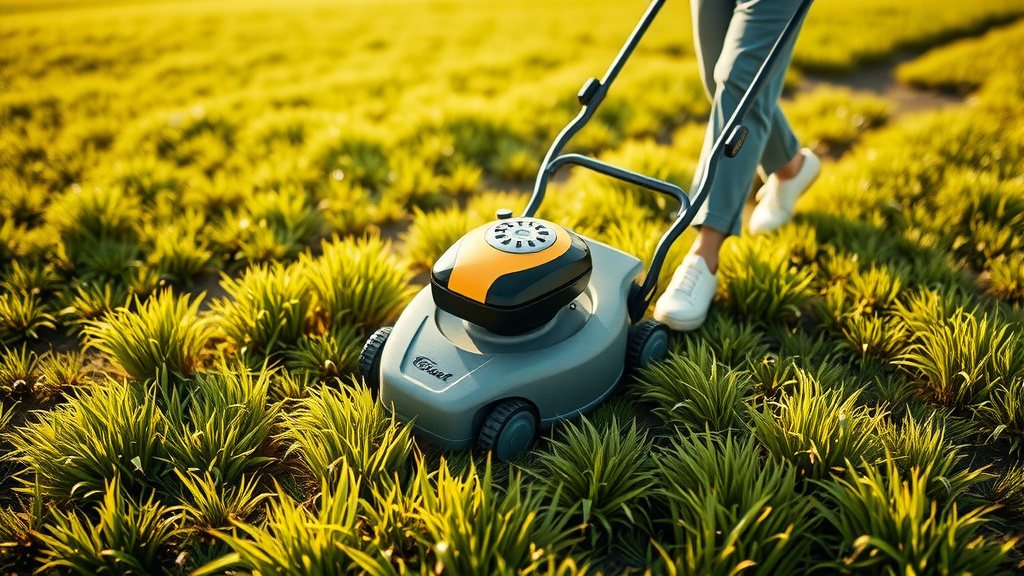
A wet lawn can also be harder to cut with a reel mower. The American Lawn Mower 1204-14 is a manual reel mower with a 14-inch cutting width; its instructions advise against mowing wet grass and recommend cutting no more than one-third of the grass blade at a time.
Does the mower blade affect grass recovery?
A clean, suitable cut can help avoid extra stress on grass, but watering won't fix a poor cut. If the mower leaves ragged or uneven tips, check the blade and its fit before changing your watering routine.
The Oregon 22 Inch Lawn Mower Blade is made for specific 22-inch mower decks and models. Verify the blade length, center hole, and mower manual before choosing a replacement.
If grass turns brown after a mow, look at cut height and blade condition alongside soil moisture. Water only if the lawn needs it.
What should you do after mowing if the soil is dry?
Water the lawn if the root area is dry, then give the grass time to dry before mowing again. Use a slow, even application and stop if water begins to pool.
Avoid making a mowing-day watering habit when the lawn doesn't need it. A short soil check helps you decide whether to water now or wait for rain.
If your neighbor's mowing affects when you can care for the yard, read How To Keep Neighbor From Mowing My Lawn?.
Should watering after mowing be part of your routine?
For the question should you water lawn after mowing, use this rule: water when the root area is dry, and wait when the soil is already moist. Let the lawn dry before mowing, and adjust for rain, heat, and your grass type.
A mower part won't determine your watering schedule, but it can matter if you are fixing an uneven cut. The Oregon 35-006 muffler is a replacement part for certain Kohler engines; check your engine model and fit before considering it.
To support healthy growth across the season, see How Often Should You Fertilize Your Lawn?. Water based on soil moisture, not simply because the mower has finished its pass.
Frequently asked questions
Should I water my lawn immediately after mowing?
Water after mowing if the soil is dry or the grass shows signs of needing water. If the ground is already moist, rain is expected soon, or the lawn is wet from morning dew, wait and check again later.
Mowing by itself doesn't create a need to water.
Is it better to water grass before or after mowing?
Water when the lawn needs it, and try to mow when the grass is dry. If you need to water, doing it after mowing can leave time for the grass to dry before the next cut.
Avoid mowing wet grass because it can clump and make an uneven cut.
Can watering after mowing cause brown grass?
Watering after mowing doesn't automatically cause brown grass, but frequent watering when the soil is already wet can stress roots. Brown tips can also follow a dull blade, cutting too short, or heat stress.
Check soil moisture and mowing height before adding more water.
How long should I water my lawn after mowing?
Use the time needed to moisten the root zone without leaving puddles or runoff; a fixed number of minutes won't fit every lawn. Soil type, sprinkler output, weather, and grass all affect the amount.
Check moisture as you water and follow local watering limits.