
What Is a Plug Aerator vs a Spike Aerator?
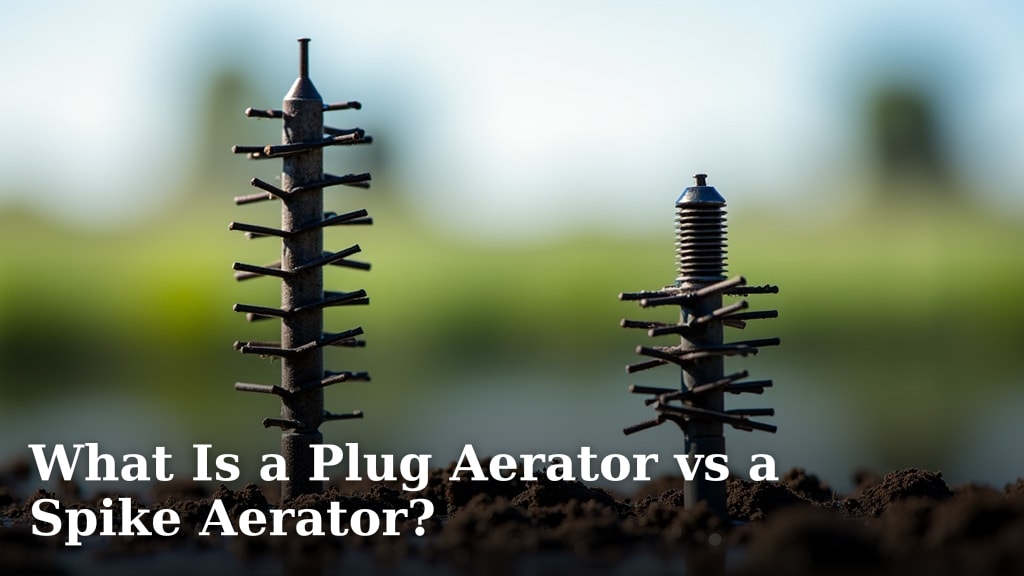
When deciding between a plug aerator and a spike aerator for your lawn care needs, the key difference lies in their impact: plug aerators remove soil cores for deeper aeration, while spike aerators simply poke holes, offering a quicker but less effective solution. Plug aerators are generally considered the superior choice for lawns with compacted soil, as they allow for better air, water, and nutrient penetration. Spike aerators can be helpful for very light compaction or for overseeding, but they can sometimes worsen compaction if overused.
We found that understanding these tools helps you make the best choice for your lawn’s health. A plug aerator’s removed soil plugs break down naturally, improving the soil structure over time. Spike aerators, while faster to use, can push soil deeper, potentially making compaction issues worse in the long run, especially on already dense turf. Choosing the right tool depends on your specific lawn conditions and desired results.
- Plug aerators remove soil cores for deeper aeration.
- Spike aerators poke holes, suitable for light compaction.
- Plug aerators generally offer more effective, long-term soil improvement.
- Spike aerators are quicker but can sometimes worsen compaction.
- Your lawn’s condition dictates the best aerator choice.
Let’s walk through exactly what each type of aerator does and when you might want to use one over the other.
Understanding Lawn Aeration: Plug vs. Spike
When your lawn starts looking a bit sad and compacted, aeration is the answer. But what kind of aerator should you reach for? We’re here to break down the differences between plug and spike aerators. Think of it like choosing the right tool for a DIY project. You wouldn’t use a hammer to screw in a nail, right? The same applies to your lawn.
How Plug Aerators Work Their Magic
A plug aerator is a bit like a fancy cookie cutter for your lawn. It doesn’t just poke holes. Instead, it punches out small, cylindrical cores of soil. These soil plugs are then left on the surface of your lawn. This process effectively loosens compacted soil. It also makes room for air, water, and nutrients to reach the grass roots. It’s a more involved process, but the results are often worth it.
The Mechanics of Core Aeration
You’ll find plug aerators come in a few forms. There are manual, push-type models that require a bit of muscle. Then there are more powerful, gas-powered walk-behind units. Both work on the same principle. They use hollow tines to pull out those soil cores. The size of these cores can vary depending on the aerator model. You’ll typically see cores about 1/2 to 3/4 inch in diameter and 2 to 4 inches deep.
Why Plug Aeration is Often the Top Choice
Many lawn care professionals and gardening experts agree that plug aeration is generally the most effective method for dealing with serious compaction. When those soil cores are removed, you’re creating direct pathways. These pathways are essential for healthy root growth. The removed plugs also break down over time. This adds organic matter back into your lawn. It’s a natural way to improve your soil structure.
Benefits of Soil Core Removal
The main benefit is obvious: better access for everything your grass needs. Research from university extension offices frequently highlights this. They point out that deeper, more extensive aeration is achieved. This allows for improved water infiltration, especially during dry spells. It also helps fertilizers penetrate the soil more effectively. This means less runoff and more nutrients for your grass. Furthermore, it helps relieve pressure on the soil. This is vital for grass to thrive. Plug aeration leads to improved water infiltration, which is also a key benefit of proper lawn fertilization.
What Happens to the Plugs?
Don’t worry about those soil plugs looking messy. They will break down. This usually happens within a week or two. You can even help speed up the process by raking over them lightly. This breaks them into smaller pieces. Your lawn will likely look a bit rough for a short period after aeration. But the long-term benefits are substantial. They are a sign that the aeration process is working.
Introducing Spike Aerators: The Simpler Approach
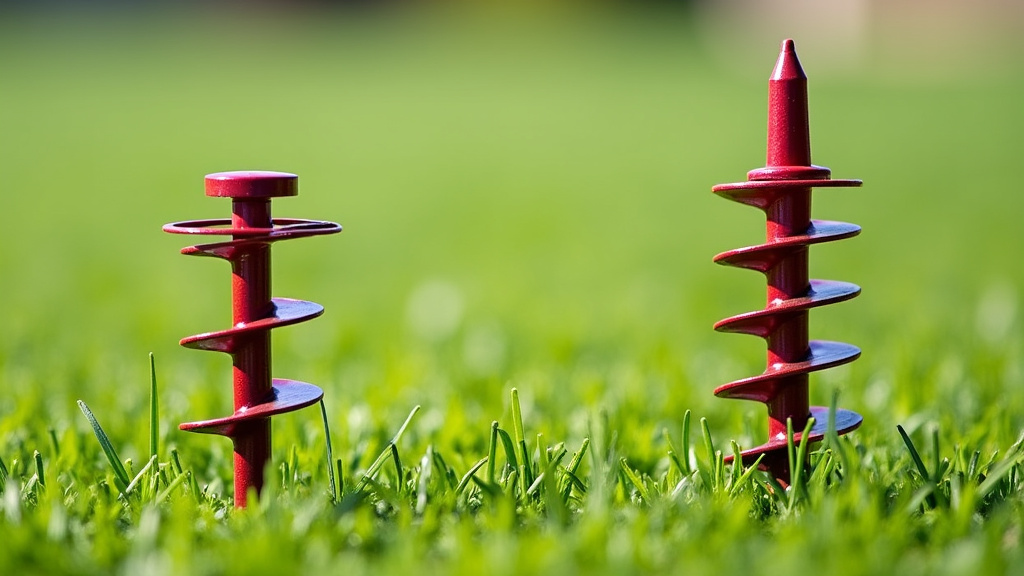
Spike aerators are the simpler of the two main types. They work by simply poking holes into the soil. Imagine using a large fork to stab the ground. They don’t remove any soil.
Conclusion
You’ve learned the core differences between plug and spike aerators. Plug aerators excel at deep aeration by removing soil cores. This is your best bet for compacted lawns, allowing air, water, and nutrients to reach roots. Spike aerators offer a quicker fix with shallow holes. They can be helpful for light compaction or overseeding. But they might worsen heavy compaction over time. Ultimately, assess your lawn’s condition. Choose the aerator that best suits your needs for a healthier turf. Your lawn will thank you for making the right choice!
Frequently Asked Questions
When should I aerate my lawn?
The best time to aerate your lawn is during its active growing season. For cool-season grasses, this is typically in the spring or fall. For warm-season grasses, aim for late spring or early summer.
How often should I aerate my lawn?
Most lawns benefit from aeration once a year. If your soil is heavily compacted, you might need to aerate every six months. Less compacted lawns may only need it every 1-2 years.
Can I use a plug aerator on a very small lawn?
Yes, you can use a manual plug aerator for small lawns. These push-type models require some physical effort but are effective for smaller areas.
Will aerating my lawn damage it?
Aeration is beneficial for lawn health and typically does not cause damage. Your lawn might look a bit rough for a short period after aeration. This is normal and a sign the process is working.
What is the best aerator for sandy soil?
Sandy soils usually don’t compact as severely as clay soils. A spike aerator might be sufficient for light aeration. However, a plug aerator will still provide deeper benefits if needed.
