
What Is a Self-propelled Lawn Mower?
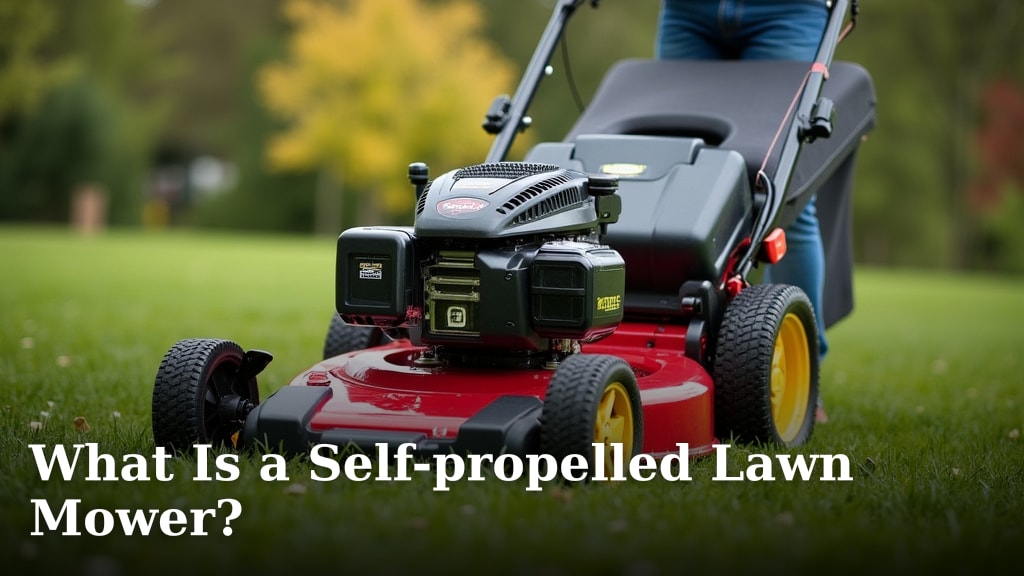
A self-propelled lawn mower is a type of mower that drives itself forward, using power from its engine to turn the wheels. You simply guide it, making mowing much less of a workout compared to pushing a traditional mower. It eliminates the need to push the machine, saving you effort.
Does your lawn feel more like a mountain after mowing? We understand. Self-propelled mowers make handling inclines and larger yards significantly easier. They offer a more comfortable mowing experience, letting you enjoy your yard work more. Think of it as having your own personal lawn chauffeur.
- Self-propelled mowers move on their own.
- You only need to steer the mower.
- Great for hills and larger yards.
- Reduces the physical effort of mowing.
- Offers a more comfortable mowing experience.
Curious about how these helpful machines work and if one is right for your yard? Let’s dive in and learn everything you need to know about self-propelled lawn mowers.
Understanding Your Self-Propelled Mower
A self-propelled lawn mower is a machine designed to make your mowing chores less strenuous. Instead of you pushing it forward, the engine powers the wheels, moving the mower for you. You simply walk behind it, guiding its direction.
Think of it like cruise control for your lawn care. It provides a consistent speed and takes the physical labor out of moving a heavy machine. This design is particularly helpful for larger yards or properties with slopes.
How the Self-Propelled Mechanism Works
At its core, a self-propelled mower has an engine that does double duty. It powers the blade, of course, but it also sends power to the wheels. This is usually done through a gearbox and a belt system, similar to how a car’s engine drives its wheels.
When you engage the drive lever, the clutch activates. This connects the engine’s power to the wheels. The wheels then turn, pulling the mower along, so you don’t have to exert yourself. It’s a clever bit of engineering that saves your back and energy.
Front-Wheel Drive vs. Rear-Wheel Drive vs. All-Wheel Drive
Not all self-propelled mowers are created equal when it comes to how they deliver power to the ground. You’ll often see options for front-wheel drive, rear-wheel drive, and even all-wheel drive. Each has its own strengths for different lawn types and terrains.
- Front-Wheel Drive: This is common and works well on flat to moderately uneven lawns. They are easy to maneuver, especially when you need to turn. Lifting the front wheels slightly disengages the drive, making turns simple.
- Rear-Wheel Drive: Ideal for lawns with slopes or thicker grass. The power is applied to the rear wheels, which provides better traction and pushing power when climbing hills or mulching dense patches.
- All-Wheel Drive: Offers the best traction and control in all conditions. If you have a challenging yard with steep inclines, rough terrain, or very thick grass, an AWD mower can be a significant advantage, distributing power to all four wheels.
Key Benefits of Using a Self-Propelled Mower
Why should you consider a self-propelled model? The reasons boil down to comfort, efficiency, and less fatigue. Many people find their yard work becomes a chore they dread less when they switch to one of these machines.
Perhaps the most obvious benefit is the reduced physical effort. No more pushing a heavy machine across your lawn. This is a game-changer for anyone with a larger yard or who struggles with physical strain. You simply guide it.
- Effortless Mowing: The greatest advantage is undoubtedly the reduction in manual pushing. This can make a significant difference, especially on warm days or larger properties.
- Better for Hills and Uneven Terrain: If your yard isn’t perfectly flat, a self-propelled mower provides the necessary traction and power to ascend slopes with ease. You won’t feel like you’re climbing a mountain with a heavy load.
- Consistent Cut: Because the mower maintains a steady speed, you often get a more uniform and consistent cut across your lawn. This contributes to a healthier and better-looking turf.
- Comfort and Health: Less strain on your back, arms, and legs means you’ll be less tired and sore after mowing. This can make lawn care more enjoyable and less likely to cause discomfort.
Choosing the Right Self-Propelled Mower for Your Needs
Selecting the perfect self-propelled mower involves looking at your yard’s specific characteristics and your personal preferences. It’s not a one-size-fits-all situation; what works for your neighbor might not be the best fit for your lawn.
Consider factors like the size of your yard, the terrain, and what kind of power source works best for you. Making an informed decision now means happier mowing days ahead.
Power Source Options: Gas vs. Electric
Just like push mowers, self-propelled models come in different power varieties. The choice between gas and electric (corded or battery) often comes down to convenience, noise, and environmental considerations.
Gas-Powered Self-Propelled Mowers
Gas-powered self-propelled mowers are the traditional choice for many homeowners. They typically offer more power and longer run times, making them suitable for larger yards.
- Pros:
- More power for tackling tough or thick grass.
- No limitations on run time (as long as you have fuel).
- Better for very large properties or commercial use.
- Cons:
- Require more maintenance (oil changes, spark plugs).
- Produce exhaust emissions and are noisier.
- Need fuel storage and regular refueling.
Electric Self-Propelled Mowers (Corded and Battery)
Electric self-propelled mowers are gaining popularity due to their ease of use and lower environmental impact. They come in both corded and battery-powered versions.
Corded electric models offer unlimited run time but restrict your range by the length of the extension cord. Battery-powered models provide freedom of movement but are limited by battery life. Many studies highlight the reduced noise and emissions of electric mowers compared to gas (EPA).
- Pros:
- Quieter operation and zero emissions.
- Less maintenance required (no oil, spark plugs).
- Easier to start (push of a button).
- Cons:
- Corded models have range limitations.
- Battery models have limited run times and need recharging.
- May have less power than gas for very dense grass.
Variable Speed vs. Single Speed
Have you ever wanted to mow faster on an easy patch and slower on a tricky slope? Some self-propelled mowers offer variable speed control, while others operate at a single, fixed speed.
- Variable Speed: This feature allows you to adjust the mower’s ground speed to match your walking pace. It’s great for adapting to different conditions, like dense grass, hills, or intricate sections of your yard. It offers a customizable and more comfortable experience.
- Single Speed: These mowers move at one preset speed. While simpler, they might not always match your natural pace. You could find yourself walking too fast or too slow to keep up with the machine, which can be less comfortable over time.
Maintenance and Care for Your Self-Propelled Mower
Like any valuable tool, your self-propelled mower needs regular care to perform its best and last for years. Proper maintenance ensures it continues to make your lawn chores easier.
Neglecting maintenance can lead to breakdowns, inefficient cutting, and a shorter lifespan for your machine. A little effort now can save you time and money later.
Essential Maintenance Tips
Maintaining a self-propelled mower is similar to caring for a standard push mower, with a few extra considerations for the drive system. Always refer to your owner’s manual for specific model instructions.
- Clean After Each Use: Remove grass clippings from the deck, especially around the blade and wheels. This prevents buildup that can affect performance and cause rust.
- Check and Sharpen Blades: Dull blades tear grass, making your lawn look unhealthy. Sharpen or replace your blade annually, or more often if you hit obstacles.
- Inspect the Drive System: Periodically check the belts and cables for wear or damage. Ensure the drive lever engages smoothly and the wheels turn properly.
- Engine Care (Gas Mowers): Change the oil, spark plug, and air filter according to the manufacturer’s schedule. This keeps the engine running efficiently.
- Battery Care (Electric Mowers): For battery models, follow charging and storage guidelines to prolong battery life. Store batteries in a cool, dry place.
- Winter Storage: Prepare your mower for winter by cleaning it thoroughly, stabilizing fuel (for gas models), and storing it in a dry, protected area.
When to Consider an Upgrade or Professional Service
Even with meticulous care, there comes a time when repairs become too frequent or performance drops significantly. Knowing when to upgrade or call a professional can save you headaches.
If you notice persistent issues with the drive system, such as inconsistent speed or wheels not engaging, it might be time for a tune-up from a professional. Sometimes, a full replacement is the most cost-effective choice in the long run.
Is a Self-Propelled Mower Right for You? A Quick Checklist
Still wondering if a self-propelled mower is the perfect partner for your lawn? Here’s a quick checklist to help you decide. Answering these questions honestly can guide your decision.
Consider your personal comfort, your lawn’s specific needs, and your willingness to invest in a machine that offers more convenience and less physical strain. Your future self will thank you for making the right choice.
- Do you have a lawn larger than a quarter acre?
- Does your yard have slopes or uneven terrain?
- Do you want to reduce physical effort while mowing?
- Are you looking for a more consistent and even cut?
- Is your current mower making yard work a dreaded chore?
- Are you okay with a potentially higher initial cost for greater convenience?
Conclusion
You’ve now explored the world of self-propelled lawn mowers, understanding how they work and their many benefits. These machines genuinely transform lawn care, turning a strenuous chore into a manageable task. You learned about different drive types, power sources, and the importance of maintenance.
Choosing the right self-propelled mower means considering your yard’s unique needs and your comfort. If you have a larger property, slopes, or simply want an easier mowing experience, a self-propelled model could be your perfect match. Take this information, assess your lawn, and confidently select a mower that makes your yard work enjoyable again.
Frequently Asked Questions
Are self-propelled mowers harder to maintain than regular push mowers?
Not significantly. Self-propelled mowers require similar basic maintenance as push mowers, like blade sharpening and deck cleaning. You’ll just have additional checks for the drive belt and cables to ensure the self-propel function works correctly.
Do self-propelled mowers always move at the same speed?
No, many self-propelled mowers offer variable speed control. This feature lets you adjust the mowing speed to match your comfortable walking pace or to suit different grass conditions. Some simpler models do have a single, fixed speed.
Can I turn off the self-propel feature and push the mower when needed?
Yes, on most self-propelled models, you can disengage the drive system and push the mower manually. This is especially useful for making tight turns or maneuvering in small, complex areas where self-propel might be less convenient.
Are electric self-propelled mowers powerful enough for thick grass?
Modern electric self-propelled mowers, especially battery-powered ones, have become very powerful. They can handle most typical lawn conditions and moderately thick grass. For extremely dense or overgrown areas, a gas mower might still offer a slight performance edge.
What’s the average lifespan of a self-propelled lawn mower?
The lifespan varies, but a well-maintained self-propelled mower can last 8-10 years or even longer. Gas models often last longer with proper engine care. Electric models depend heavily on battery life, which might need replacing every 3-5 years.
