
What Is My Lawn Mower Worth?
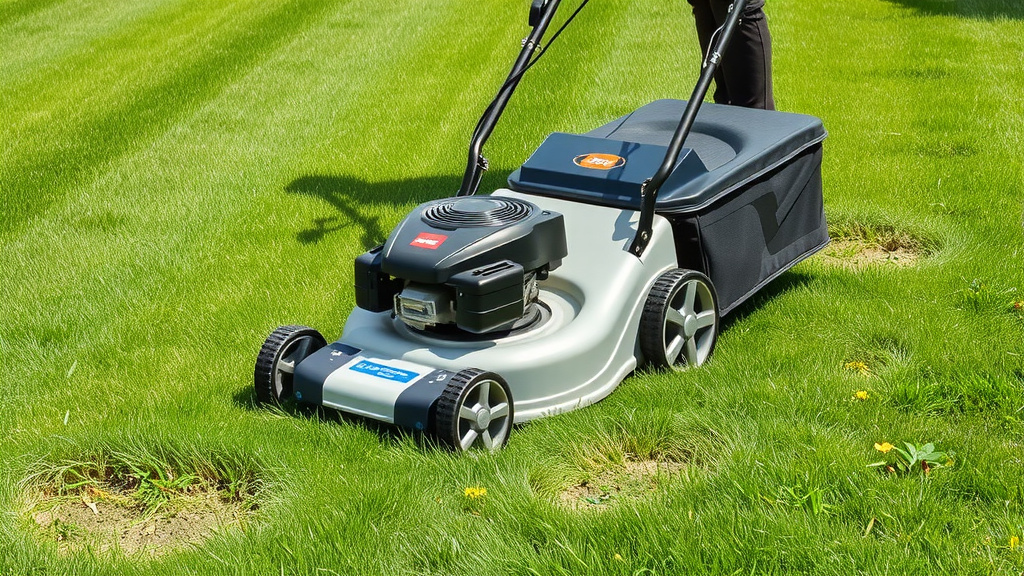
A used lawn mower’s worth depends heavily on its age, condition, brand, and features.
You can typically expect a residential lawn mower to retain 40-60% of its original value after a few years, but professional models often hold their value better.
TL;DR: Here’s a quick look at finding your lawn mower’s worth:
- Identify key factors like age, brand, and engine health to gauge its value.
- Condition is paramount; a well-maintained mower always sells for more.
- Research current market prices on online marketplaces and local dealer sites.
- Factor in accessories and recent repairs to boost its appeal.
- Knowing its true worth helps you make smart buying or selling decisions.
What Is My Lawn Mower Worth?
Your lawn mower’s worth is a mix of its original price, how well you’ve kept it, and current market demand. It’s like valuing a used car, but for your yard machine, and getting it right means money in your pocket or a fair deal.
Thinking about selling your mower, upgrading, or just curious? Understanding its value helps a lot. We found that most homeowners often underestimate or overestimate their mower’s true worth, leading to missed opportunities.
The Big Picture: What Impacts Mower Value?
Many factors come into play when figuring out your mower’s value. It’s not just about how old it is. Think of it as a recipe where each ingredient changes the final outcome significantly.
We found that condition, brand, and age are the top three influencers. Without considering these, you might get a skewed idea of its market price (Consumer Reports).
Age and Hours of Use: The Time Factor
Just like cars, lawn mowers depreciate over time. A newer model with fewer hours on the engine will always fetch a higher price. For professional mowers, engine hours are more important than just the year it was made.
A good rule of thumb: a residential mower loses 20-30% of its value in the first year alone. After that, it slows down a bit but continues to decline each year (Lawn Care Industry Research).
Brand Reputation: A Name You Can Trust
Certain brands hold their value better than others. Companies like John Deere, Kubota, and Honda are known for their durability and reliability. Buyers often pay a premium for these trusted names.
Lesser-known brands, while still good, may not command the same resale price. Research shows that buyers often prioritize brand recognition for peace of mind (Equipment Trader Data).
Condition, Condition, Condition!
This is arguably the most critical factor. A well-maintained mower, even an older one, will always sell better than a newer one that’s been neglected. What story does your mower tell?
A clean deck, sharp blades, and a smooth-running engine signal care. These details suggest fewer immediate repairs for the new owner, making your mower a more attractive purchase.
Engine Health: The Heart of the Mower
Does it start easily? Does it run smoothly without strange noises? The engine is the heart of your mower, and its health is directly tied to its value. A weak or faulty engine means a much lower price.
A quick start and steady idle are often key selling points. If your engine needs work, factor in repair costs when estimating its value, or highlight the opportunity for a buyer.
Deck and Blades: Cutting Performance
A rusty, dented deck or dull, chipped blades detract from value. A clean, intact deck prevents grass clumping and ensures a better cut. Sharp blades are a sign of a well-cared-for machine.
Checking for rust, cracks, or serious dents on the deck is crucial. Buyers often inspect this area closely, as it affects both the mower’s look and its performance directly.
Tires and Belts: Small Parts, Big Impact
Worn-out tires, especially on ride-on mowers, are a minor fix but impact appearance. Frayed or cracked belts also suggest imminent issues. These small details can add up in a buyer’s mind.
Before selling, consider replacing obviously worn tires or belts. It shows attention to detail and can justify a higher asking price, saving the buyer hassle later.
Features and Accessories: What Else Does It Do?
Does your mower have a bagging system, mulching capability, or a side discharge? Extra features add convenience and can increase its appeal. Power steering on a riding mower is another big plus.
Any original attachments, like a snow blade or a grass collection system, should be included. These accessories often have their own value and can collectively boost your mower’s price.
Recent Maintenance and Repairs: Show Your Work
Have you recently changed the oil, spark plug, or air filter? Keep records! Proof of regular maintenance can significantly improve your mower’s perceived value. It tells the buyer, “This machine was loved and looked after.”
If you’ve had major repairs done, like an engine overhaul, provide receipts. This transparency builds trust and can help you ask for a more realistic price (Small Engine Repair Manuals).
Market Value Research: Where to Look
You need to see what similar mowers are selling for right now. The market changes, so recent data is often best. Don’t rely on prices from a year ago; they might not be accurate today.
Online marketplaces are a great place to start. Look at local listings first to get a sense of demand in your area. What are people actually paying, not just asking, for mowers like yours?
- Online Classifieds: Sites like Facebook Marketplace, Craigslist, and eBay are full of used mowers. Look for models similar to yours in age, brand, and condition.
- Dealer Trade-In Values: Local power equipment dealers might offer a trade-in value. While often lower than private sales, it provides a baseline and convenience.
- Specialty Forums: Some mower brands or types (e.g., zero-turn) have dedicated online forums where members discuss values and sales.
- Auction Sites: Used equipment auction results can show what people are willing to pay for various conditions.
Comparing Your Mower: An Example
Let’s consider a popular brand. If you have a 5-year-old Honda HRR216 with regular oil changes, it will be worth more than a 5-year-old generic brand mower in similar condition. The brand name carries weight.
However, if that Honda has a blown engine, it might be worth less than a well-maintained 5-year-old generic mower. Condition and brand create a push-pull effect on value.
Here’s a simplified breakdown to illustrate how factors combine:
| Factor | Low Impact on Value | High Impact on Value |
|---|---|---|
| Age | 1-2 years old | 8+ years old |
| Condition | Excellent (like new) | Poor (needs major repairs) |
| Brand | Premium (e.g., Honda, John Deere) | Generic/Unknown |
| Engine Health | Starts easily, runs smooth | Hard to start, rough idle, smoke |
| Features | Self-propelled, mulching kit | Basic push mower |
Preparing Your Mower for Sale: The Value Boost Checklist
Want to get the best price for your mower? A little effort before listing can go a long way. Think of it as staging your home, but for your lawn machine.
Many experts say that a clean, well-presented mower often sells quicker and for more money. First impressions really do count.
- Give it a thorough clean: Wipe down the deck, engine, and wheels.
- Check and sharpen or replace blades.
- Top off or change the oil if due.
- Replace the spark plug and air filter if needed.
- Ensure tires are inflated (for ride-ons) and check belt condition.
- Start it up for the buyer to show it runs well.
Conclusion
Determining your lawn mower’s worth isn’t a single magic number; it’s a careful evaluation of its unique characteristics and the current market. By considering age, brand, condition, and market demand, you can arrive at a fair and accurate valuation.
Whether you’re selling, trading, or simply curious, understanding your mower’s value gives you power. Go ahead, apply these tips, and find out what your trusty grass-cutter is really worth today!
What factors increase a lawn mower’s resale value?
Factors like a strong brand name (e.g., Honda, John Deere), excellent mechanical condition, regular maintenance records, and desirable features (like self-propulsion or mulching kits) all significantly boost a lawn mower’s resale value. Keeping it clean and making minor cosmetic repairs also helps.
How much does a lawn mower depreciate each year?
A residential lawn mower typically depreciates around 20-30% in its first year. After that, the depreciation rate slows, usually to 5-15% per year, depending on usage, brand, and how well it’s maintained. Professional-grade mowers often depreciate slower due to their durable construction.
Is it better to sell a used lawn mower privately or trade it in?
Selling privately usually yields a higher price because you cut out the dealer’s margin. However, trading it in offers convenience, saving you the hassle of listing, showing, and negotiating. If time and ease are a priority, trade-in might be better, but for maximum profit, private sale is often preferred.
Where can I check used lawn mower prices in my area?
You can check used lawn mower prices on local online classifieds like Facebook Marketplace, Craigslist, and local sections of eBay. Also, look at power equipment dealer websites for used inventory. Checking multiple sources gives you a comprehensive view of the local market value.
Should I repair my lawn mower before selling it?
It often makes sense to perform small, inexpensive repairs that significantly improve the mower’s appearance or functionality, like sharpening blades or replacing a spark plug. For major, costly repairs (e.g., engine issues), it’s usually better to sell it “as-is” and let the buyer decide, as you might not recoup the repair cost in the sale price.
