What Is the Difference Between a Riding Mower and a Lawn Tractor?
On this page (7 sections)
The main difference between a riding mower and a lawn tractor is their intended use and capabilities. A riding mower is generally more compact and best suited for smaller to medium-sized lawns, offering basic mowing functions. Meanwhile, a lawn tractor is more versatile, designed for larger properties, and can handle various attachments beyond just cutting grass, like plowing or hauling.
You might be wondering which one is right for your yard. We found that choosing depends on your property size and specific needs beyond just mowing. Do you need something for light work, or a powerful machine for bigger jobs? We see many people confuse these two, but understanding their differences can save you a lot of hassle.
- Riding mowers are for smaller lawns.
- Lawn tractors are for bigger properties.
- Lawn tractors offer more power and versatility.
- Riding mowers are typically more compact.
- Your property size helps pick the right one.
Let’s walk through exactly how these two machines compare, so you can make the best choice for your lawn care.
Comparing Riding Mowers and Lawn Tractors
You’re looking to understand the core differences between a riding mower and a lawn tractor. We found the clearest way to think about them is by their purpose and capability. One is built primarily for cutting grass, while the other offers much more versatility for yard work.
Defining Each Machine
Let’s start by defining what each machine truly is. This helps set the stage for understanding their distinctions. Think of it as knowing the basic ingredients before comparing two recipes.
What is a Riding Mower?
A riding mower, often called a rear-engine rider, is a compact lawn care machine. You sit on top, and the engine is usually behind you. These machines are designed almost exclusively for mowing.
They are generally lighter and more maneuverable than lawn tractors. We see them as the perfect fit for many suburban homes with moderately sized yards. They’re straightforward and get the job done efficiently for their intended use.
What is a Lawn Tractor?
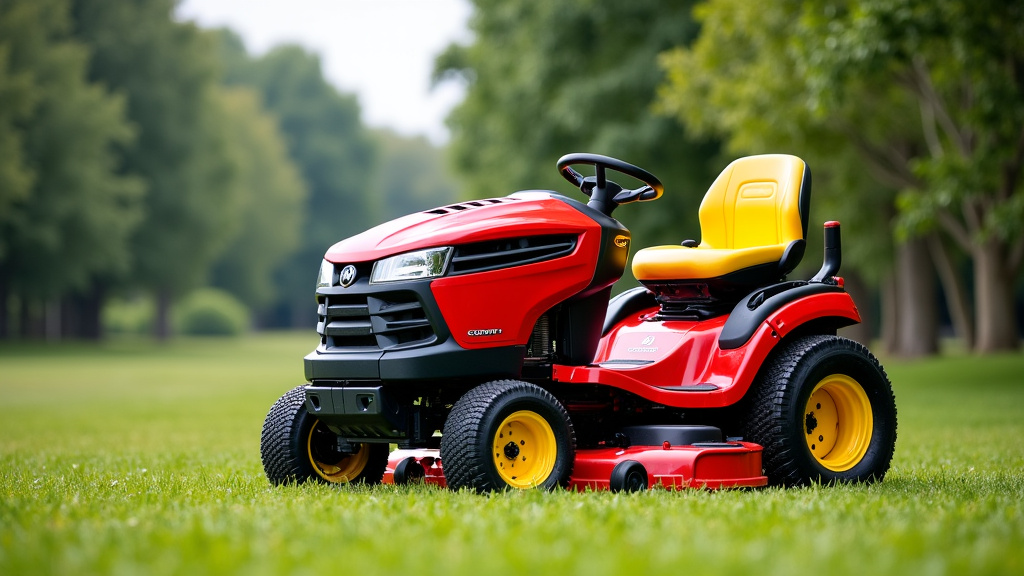
A lawn tractor is a more robust, powerful machine. It looks a bit like a small farming tractor, hence the name. The engine is typically in the front, beneath a hood, much like a car.
These machines are built for more than just cutting grass. They have stronger engines and often bigger transmissions, allowing them to handle various attachments. We found that this multi-tasking ability is what truly sets them apart.
Key Differences: Power, Deck Size, and Features
When you put them side-by-side, certain features immediately stand out. We’ve identified the most important distinctions in power, cutting width, and what they can actually do for you.
Engine Power and Performance
Engine size directly relates to what a machine can handle. It’s like comparing a family car to a pickup truck; both move, but one is designed for heavier tasks.
Engine Horsepower (HP)
Riding mowers typically have engines ranging from about 10 to 18 horsepower. This is enough power to turn the blades and move the mower across flat to moderately sloped terrain. You won’t find them struggling on a typical suburban lawn.
Lawn tractors, on the other hand, frequently boast 18 to 25 horsepower, sometimes even more. This extra power isn’t just for speed. It’s essential for pulling heavy loads or operating power-hungry attachments. For example, a snow thrower attachment needs a lot of engine power to function properly.
Transmission Types
Both types of machines often use hydrostatic transmissions today. This means a smoother, car-like operation without shifting gears. However, mechanical transmissions can still be found, especially in some riding mower models.
We found that while both can have similar transmission types, the components within a lawn tractor’s transmission are often built to be heavier duty. This allows them to handle the strain of towing and powering accessories over rougher ground (Texas A&M AgriLife Extension).
Cutting Decks and Lawn Size
The size of the cutting deck tells you a lot about the kind of lawn each machine is best suited for. A wider deck means fewer passes, which saves you time.
Cutting Deck Width
Riding mowers usually have cutting decks between 28 and 42 inches wide. This smaller width makes them great for navigating around obstacles like trees, flowerbeds, and tight corners. If your yard has many nooks and crannies, a narrower deck is a big plus.
Lawn tractors typically feature decks from 42 to 54 inches wide, sometimes even larger. This broader cut is ideal for covering large, open expanses of grass quickly. We found that for properties over an acre, a wider deck becomes almost essential to save you hours of mowing time.
Maneuverability in Tight Spaces
Because of their smaller size and often lower turning radius, riding mowers are generally more agile. They can often turn tighter, which is helpful in smaller yards or those with complex landscaping.
Lawn tractors, due to their larger frame and longer wheelbase, are less nimble. They excel in straight lines across expansive areas. Think of it like trying to park a big SUV in a compact car’s spot; it’s just not designed for it.
Functionality Beyond Mowing
Here’s where the biggest chasm between these two machines truly lies. It’s the difference between a dedicated tool and a multi-purpose workhorse.
Attachment Capabilities
This is arguably the most significant differentiator. What else can the machine do besides cut grass?
Riding Mower Attachments
Riding mowers are somewhat limited here. You might find a small bagger system for collecting clippings or a basic mulching kit. Some can pull very light carts, but usually nothing heavy.
Their engines and frames are not built to support the strain of heavier or powered implements. We found it’s best to consider a riding mower as a mowing-first solution with minimal accessory options.
Lawn Tractor Attachments
This is where lawn tractors shine. They are designed to be much more versatile. You can attach a wide array of implements to handle various tasks:
- Snow Plows/Throwers: For clearing driveways in winter.
- Utility Carts/Trailers: For hauling firewood, mulch, or tools.
- Aerators and Dethatchers: To improve lawn health.
- Spreaders: For fertilizer, seed, or salt.
- Rollers: To smooth out uneven ground.
Many experts point out that these attachments transform a lawn tractor into a year-round garden and yard management system (Purdue University Extension). This capability makes them a big investment, but also a valuable one for larger properties.
Comfort and Durability
While both offer a seated experience, there are often differences in how they are constructed and how comfortable they feel over long periods.
Operator Comfort
Riding mowers, being smaller, generally offer basic seating. Comfort is usually secondary to compactness. If you’re mowing for 30 minutes, it’s fine. For longer sessions, you might notice the difference.
Lawn tractors often feature more comfortable, adjustable seats. They might have better suspension systems to absorb bumps. When you’re spending hours on a machine, these comforts become very important. We found that little things like better armrests or more legroom make a big difference.
Build Quality and Lifespan
Generally speaking, lawn tractors are built with more robust frames and heavier-duty components. This is because they are expected to handle more strenuous work.
While a good riding mower can last many years with proper maintenance, a well-maintained lawn tractor is often designed for a longer working life under more demanding conditions. It’s about designing for the workload you expect the machine to handle.
Which One Do You Need? A Quick Comparison
To help you decide, let’s put some of these points into a quick, easy-to-read table. This summarizes the main considerations we’ve discussed.
| Feature | Riding Mower | Lawn Tractor |
|---|---|---|
| Primary Use | Cutting grass | Cutting grass, towing, powering attachments |
| Engine HP | 10-18 HP | 18-25+ HP |
| Deck Width | 28-42 inches | 42-54+ inches |
| Yard Size | Up to 1 acre | 1+ acre (medium to large yards) |
| Versatility | Low (few attachments) | High (many attachments) |
| Maneuverability | High (tight turns) | Moderate (best in open spaces) |
| Cost | Generally lower | Generally higher |
As you can see, the choice really boils down to your specific needs. Are you just mowing, or do you have a bigger vision for your property maintenance?
Your Deciding Factors: A Checklist
Before you invest in either machine, consider these key questions. They will guide you to the right choice based on your situation.
Consider Your Property’s Needs
Your property is unique. What works for your neighbor might not work for you. Take a few minutes to think about these points.
Evaluate Your Lawn Size and Terrain
How big is your lawn in acres or square feet? Is it mostly flat, or do you have hills? Mowing steep slopes requires more power and stability, which a lawn tractor often provides better.
We found that for anything under an acre with minimal hills, a riding mower is usually perfectly adequate. If you’re over an acre, or have challenging terrain, a lawn tractor starts to look much more appealing.
Future Yard Work Expectations
What other tasks do you anticipate doing around your yard besides mowing? Do you dream of moving dirt, clearing snow, or composting leaves?
If your answer is “just mowing,” a riding mower is likely the more economical and practical choice. If you envision using a machine for a variety of tasks throughout the year, a lawn tractor is built for that versatility.
Making the Right Choice for You
To summarize, here’s a quick checklist to help you decide which machine aligns best with your needs:
- Is your lawn less than an acre? (Riding Mower)
- Do you have many obstacles and tight spaces? (Riding Mower)
- Do you need to clear snow or haul heavy loads? (Lawn Tractor)
- Is your property over an acre or have significant slopes? (Lawn Tractor)
- Are you looking for a more comfortable, versatile machine? (Lawn Tractor)
By answering these questions honestly, you’ll find yourself much closer to making an informed decision. Remember, it’s about matching the tool to the task at hand.
Conclusion
Choosing between a riding mower and a lawn tractor boils down to understanding your property’s demands and your long-term yard work goals. We’ve shown you that a riding mower is ideal for smaller, simpler lawns, offering efficient grass cutting without extra frills. A lawn tractor, however, is a versatile workhorse ready for large properties and year-round tasks.
Consider not just today’s needs, but tomorrow’s projects too. By evaluating your lawn size, terrain, and desired attachments, you can confidently select the machine that will serve you best.
Frequently Asked Questions
Can a riding mower handle hills?
A riding mower can handle gentle slopes, but it’s not designed for steep hills. For safety and performance, we’ve found that significantly sloped terrain often requires the greater stability and power of a lawn tractor.
Are lawn tractors harder to maintain than riding mowers?
Both machines require regular maintenance like oil changes and blade sharpening. However, because lawn tractors have more complex systems and attachment capabilities, their maintenance might be slightly more involved. You might have more components to check and service.
What’s the typical lifespan of each machine?
With proper care, a riding mower can last 10-15 years, while a lawn tractor, often built with heavier-duty components, can last 15-20 years or even longer. Your usage frequency and maintenance habits play a huge role in their longevity.
Can I add a snow plow to a riding mower?
Generally, no. Riding mowers lack the engine power, frame strength, and transmission durability needed to push a snow plow effectively. You’ll find that snow plows and blowers are typically only compatible with the more robust lawn tractors.
Is one type more fuel-efficient than the other?
Riding mowers are usually more fuel-efficient per hour of operation due to their smaller engines. However, a lawn tractor’s wider cutting deck means it often finishes large jobs faster, potentially balancing out fuel consumption over the entire task.