
Why Is My Lawn Mower Backfiring?
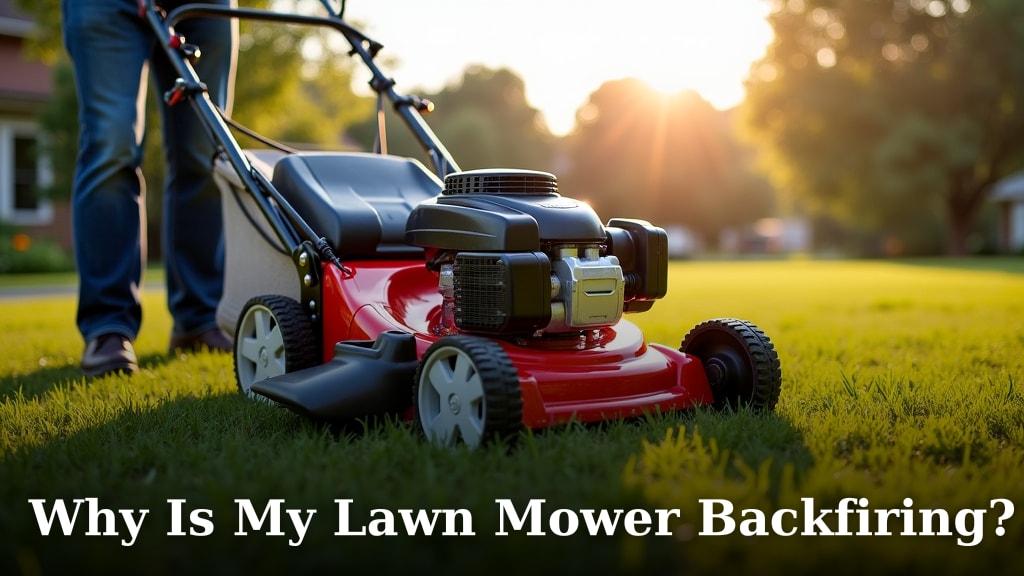
Your lawn mower is backfiring because uncombusted fuel ignites unexpectedly in the exhaust system or carburetor. This usually points to a few common engine problems, often involving the fuel-to-air mixture or ignition timing. Don’t worry, it’s a fixable issue.
You’re hearing that loud bang because something is off with the combustion process inside your engine. It’s a common complaint for many homeowners, and often signals that your mower needs a little attention. We found that it could be anything from a dirty air filter to a timing issue.
TL;DR
- Backfiring means fuel is igniting in the wrong place.
- Common causes include bad fuel mix or ignition problems.
- Check your air filter and spark plug first.
- Sometimes, valve issues or engine timing are to blame.
- Don’t ignore it; it can lead to bigger repairs.
Below, we’ll walk you through the most common reasons why your lawn mower is backfiring and what you can do to get it running smoothly again. We’ll help you diagnose the problem like a pro.
Understanding Why Your Lawn Mower Is Backfiring
When your lawn mower backfires, it’s telling you something important. It means fuel is igniting in a place it shouldn’t, typically in the exhaust or carburetor. This isn’t just a loud noise; it’s a symptom of an underlying issue that needs your attention. Ignoring it can lead to bigger problems down the road, so let’s figure out what’s going on.
Common Culprits: Fuel-Air Mixture Problems
One of the most frequent reasons for a backfiring mower involves the delicate balance of fuel and air. Your engine needs just the right ratio to run smoothly. When this balance is off, you get trouble.
Too Much Air, Not Enough Fuel (Lean Mixture)
A lean fuel mixture happens when there’s too much air compared to the amount of fuel entering the engine. Think of it like trying to start a campfire with too much wind and not enough kindling. We found that this often causes the engine to run hot and can lead to backfiring through the carburetor. You might hear a pop or sneeze sound.
- Clogged Fuel Filter: A partially blocked fuel filter can restrict the flow of gasoline to the carburetor. This starves the engine, creating a lean condition.
- Blocked Fuel Line: Similar to a filter, a kinked or clogged fuel line will limit fuel delivery.
- Dirty Carburetor: Small passages in the carburetor can get gummed up with old fuel deposits. This prevents proper fuel atomization and delivery.
- Vacuum Leaks: Leaks in gaskets or hoses around the engine can let in unmetered air, messing up the fuel-air ratio.
Not Enough Air, Too Much Fuel (Rich Mixture)
On the flip side, a rich mixture means there’s too much fuel and not enough air. This is like trying to light that same campfire with too much fuel and not enough oxygen. The unburned fuel then gets into the exhaust system and ignites there, causing an exhaust backfire. This is often the louder, more dramatic bang you hear.
- Dirty Air Filter: A clogged air filter is a very common cause. It restricts airflow into the engine, making the fuel-air mixture too rich. Many experts say this is one of the first things to check (Briggs & Stratton).
- Choke Issues: If your choke is stuck partially closed, it will enrich the mixture even after the engine warms up.
- Carburetor Float Problems: A faulty float in the carburetor can allow too much fuel into the engine’s bowl, leading to an overly rich mixture.
Ignition System Issues Leading to Backfires
Beyond the fuel-air mix, problems with your mower’s ignition system can also cause backfiring. This system is responsible for creating the spark that ignites the fuel. If that spark happens at the wrong time or is too weak, you’ll hear trouble.
Faulty Spark Plug
The spark plug is where the magic happens – it creates the spark. If it’s dirty, fouled, or just plain old, it might not fire reliably. A weak or intermittent spark means unburned fuel can exit the combustion chamber and ignite in the exhaust. It’s a quick and inexpensive fix to replace it.
Incorrect Engine Timing
Engine timing is all about precision. The spark needs to happen at exactly the right moment to ignite the fuel-air mixture efficiently. If the timing is off, the spark might occur when a valve is open, or too late, pushing unburned fuel into the exhaust or even back into the carburetor. This is a less common issue for homeowners but certainly a possibility.
- Sheared Flywheel Key: A small metal key connects the flywheel to the crankshaft. If it shears, the flywheel can rotate out of sync, throwing off ignition timing.
- Ignition Coil Problems: The ignition coil provides the high voltage for the spark plug. A failing coil can lead to a weak or mistimed spark.
Valve Train Problems and Compression Leaks
Your engine’s valves open and close to let fuel and air in and exhaust gases out. If they’re not working correctly, it can disrupt the entire combustion process.
Sticking or Improperly Adjusted Valves
Valves can get sticky with carbon deposits, or their clearance might be off. If a valve doesn’t close completely, pressure escapes. This can let unburnt fuel into the exhaust system, causing it to ignite and backfire. It might also cause a compression leak, leading to poor engine performance.
Here’s a simple breakdown of how different issues can cause backfiring:
| Problem Type | Potential Cause | Backfire Location |
|---|---|---|
| Lean Fuel Mix | Clogged fuel filter, vacuum leak | Carburetor (intake) |
| Rich Fuel Mix | Dirty air filter, stuck choke | Exhaust system |
| Ignition Issues | Bad spark plug, incorrect timing | Both, depending on timing |
| Valve Problems | Sticking valves, valve adjustment | Exhaust system |
What to Check First: Your Backfiring Mower Diagnostic Checklist
Feeling a bit overwhelmed? Don’t be! We found that starting with the simplest, most common issues can often resolve the problem quickly. Think of it as a methodical approach to pinpointing the trouble. Many homeowners can fix these issues themselves with basic tools. For a comprehensive approach to preventing future issues, learn how to maintain your lawn mower effectively.
- Check the Air Filter: Is it dirty, clogged, or even soaked with oil? Replace it if necessary. This is often an easy fix and a good starting point.
- Inspect the Spark Plug: Remove it and look at its condition. Is it fouled with carbon, wet with fuel, or corroded? Clean it, gap it correctly, or replace it.
- Review Fuel Quality: Is your gasoline fresh? Stale gas (older than 30 days) can cause serious engine problems, including backfiring. Drain old fuel and refill with fresh, stabilized gas.
- Examine the Fuel Filter: Locate your fuel filter (if your mower has one) and check if it looks clogged or dirty. Replace it if needed.
- Check Choke Operation: Make sure the choke opens fully after the engine starts and warms up. If it’s sticking, it can lead to a rich mixture.
- Look for Obvious Leaks: Visually inspect fuel lines and around the carburetor for any signs of leaks or loose connections that could indicate a vacuum leak.
The Importance of Fuel Quality and Storage
We can’t stress this enough: fresh fuel is key. Gasoline degrades over time, especially when exposed to air. Older fuel can leave gummy deposits in your carburetor and fuel lines. This sticky residue can block small jets and passages, leading to those frustrating fuel-air mixture problems we discussed earlier. Always use fresh, clean gasoline. For long-term storage, always add a fuel stabilizer to prevent these issues. This simple step can save you a lot of headache and repair costs later on (EPA recommendations).
When to Consider Professional Help
While many backfiring issues are DIY-friendly, some problems are more complex. If you’ve gone through the checklist and your mower is still backfiring, or if you suspect issues like incorrect valve adjustment or a sheared flywheel key, it might be time to call in a professional. These more advanced repairs require specialized tools and knowledge. Don’t feel bad about seeking help; ensuring your mower runs safely and efficiently is always the best goal.
Conclusion
You now understand why your lawn mower might be backfiring. It’s usually a clear sign that the fuel-air mixture or ignition timing is off. By systematically checking your air filter, spark plug, and fuel quality, you can often diagnose and fix the problem yourself. These simple steps can prevent bigger issues down the road.
Remember, a little maintenance goes a long way. If you’ve tried these common fixes and the backfiring continues, don’t hesitate to seek professional help. Your mower will thank you with smooth, reliable operation.
Frequently Asked Questions
Is it dangerous if my lawn mower backfires?
While an occasional small pop might not be immediately dangerous, frequent or loud backfiring can be. It indicates an issue that could lead to engine damage or even a small fire risk if unburnt fuel ignites in the wrong place. We recommend addressing it promptly. If your mower is also smoking, you might want to investigate why your lawn mower is smoking, as it can indicate related engine problems.
Can old gas cause my lawn mower to backfire?
Yes, absolutely. Old, stale gasoline is a very common culprit. It degrades over time, creating gummy deposits that can clog fuel lines and carburetors. This disrupts the proper fuel-air mixture, often leading to backfiring.
How do I know if my spark plug is causing the backfire?
You can remove and inspect your spark plug. Look for signs of fouling (black, sooty deposits), oil, or corrosion. If it looks worn, damaged, or extremely dirty, replacing it is a good diagnostic step. A weak or inconsistent spark can lead to backfiring.
What’s the difference between a backfire through the carburetor and the exhaust?
A backfire through the carburetor (often a “pop”) usually means a lean fuel mixture, where ignition happens in the intake. An exhaust backfire (a louder “bang”) typically points to a rich mixture or timing issue, with unburnt fuel igniting in the exhaust system.
Will adding fuel stabilizer prevent backfiring?
Adding fuel stabilizer helps prevent fuel degradation, especially during storage. By keeping your gasoline fresh and free of harmful deposits, it reduces the chances of fuel system clogs and off-balance fuel mixtures that cause backfiring. It’s a great preventative measure.
