Why Is My Leaf Blower Losing Power?
On this page (8 sections)
- Troubleshooting Your Leaf Blower’s Lost Power
- Your Leaf Blower’s Air Filter: The Unsung Hero (When It’s Clean!)
- Fueling Your Leaf Blower: More Than Just Filling It Up
- The Spark Plug: A Small Part with a Big Impact
- Checking for Blockages in the Blower Housing and Tube
- Troubleshooting Checklist: Get Your Blower Back to Full Strength
- Conclusion
- Frequently Asked Questions
Your leaf blower losing power can be super frustrating, especially when you have a yard full of leaves. This usually happens because of a clogged air filter, a dirty fuel system, or a worn-out spark plug. Addressing these common culprits can often restore your blower’s lost oomph. If your blower will not start at all, see our guide to starting a leaf blower.
We know how annoying it is when a tool doesn’t work right. When your leaf blower sputters and dies, it’s often due to simple maintenance issues. Many homeowners found that keeping the air intake clear and using fresh fuel are key to consistent performance. We’ve researched that these issues are the most common reasons for power loss.
- Clogged air filter is a top reason.
- Dirty fuel lines or old gas cause issues.
- A worn spark plug affects engine performance.
- Check for blockages in the blower housing.
Let’s walk through exactly why your leaf blower might be losing power and how you can fix it.
Troubleshooting Your Leaf Blower’s Lost Power
It’s a common frustration: you’re ready to tackle the autumn leaves, and your trusty leaf blower just isn’t performing. You expect a powerful gust, but instead, you get a weak puff. This sudden loss of power can really throw a wrench in your yard work plans. Fortunately, most leaf blower power issues stem from a few simple, fixable problems.
Your Leaf Blower’s Air Filter: The Unsung Hero (When It’s Clean!)
The air filter is like the lungs of your leaf blower. It prevents dirt and debris from entering the engine. When this filter gets clogged, your blower can’t breathe properly, leading to a serious power deficit.
Why a Clogged Air Filter Steals Power
Think of it like trying to breathe through a thick blanket. Your engine needs a steady stream of air to mix with fuel for combustion. A dirty filter restricts this airflow. This means less air gets into the engine, creating a richer fuel mixture. When there’s too much fuel and not enough air, the engine struggles to run efficiently. You’ll likely notice a dramatic drop in blowing force.
Checking and Cleaning Your Air Filter
This is often the easiest fix. Most leaf blowers have an accessible air filter cover.
- Locate the air filter housing. It’s usually a small cover on the side of the blower.
- Open the cover. This might involve unscrewing a knob or simply popping it open.
- Remove the filter. Note its orientation so you can put it back correctly.
If the filter looks dirty or dusty, you can often clean it. For paper filters, gently tap it against a hard surface to dislodge debris. You can also try a soft brush. For foam filters, you might be able to wash them with mild soap and water. Make sure the filter is completely dry before reinstalling it. If the filter is damaged or appears beyond cleaning, it’s time for a replacement.
When to Replace Your Air Filter
Most manufacturers recommend replacing the air filter annually or after a certain number of operating hours. If you use your blower frequently or in very dusty conditions, you might need to replace it more often. A quick visual inspection is your best bet. If it’s cracked, torn, or excessively dirty, don’t hesitate to get a new one. We found that a new filter can make a world of difference.
Fueling Your Leaf Blower: More Than Just Filling It Up
The type and condition of the fuel you use have a massive impact on your leaf blower’s performance. See our guide to zero turn mower power loss for related troubleshooting. Old gas or the wrong fuel mix can quickly lead to power loss and engine problems.
The Problem with Old or Stale Gas
Gasoline is not meant to sit around for long periods. Over time, it degrades. Ethanol in gasoline can also absorb moisture from the air. This leads to phase separation, where the ethanol and water settle at the bottom of the gas can. When you pour this into your blower, it can cause corrosion in the fuel lines and carburetor. Stale gas simply doesn’t burn as efficiently, leading to reduced power.
Many experts suggest using gasoline that is less than 30 days old. If you’re not using your leaf blower regularly, consider using a fuel stabilizer. This additive helps prevent gas from degrading. We found that using a stabilizer can extend the life of your mixed fuel significantly.
Two-Stroke vs. Four-Stroke Engines: The Fuel Mix Matters
This is a critical point for many leaf blowers. Most handheld blowers are two-stroke engines. These engines require a specific mix of gasoline and oil. Using straight gasoline in a two-stroke engine is a recipe for disaster, leading to rapid engine damage and power loss.
Always consult your leaf blower’s owner’s manual for the correct fuel-to-oil ratio. Common ratios are 40:1 or 50:1. Using the wrong oil or an incorrect ratio will harm your engine. For four-stroke engines, you’ll use straight gasoline, but the fuel still needs to be fresh.
Cleaning the Fuel System Components
If you suspect stale gas or a bad fuel mix has caused issues, you may need to clean your fuel system. This often involves cleaning or replacing the fuel filter (if your model has one) and cleaning the carburetor. The carburetor is responsible for mixing fuel and air. If it’s clogged with debris or gummy deposits from old fuel, it can’t deliver the correct mixture to the engine, resulting in poor performance.
The Spark Plug: A Small Part with a Big Impact
The spark plug is essential for igniting the fuel-air mixture in your engine. A worn-out or fouled spark plug can cause misfires and a noticeable loss of power.
Signs of a Bad Spark Plug
A spark plug can become fouled with carbon deposits, oil, or other gunk. It can also simply wear out over time. Symptoms of a bad spark plug include:
- Difficulty starting the leaf blower.
- Engine sputtering or running rough.
- Reduced power output.
- The engine cutting out unexpectedly.
We found that a spark plug that looks black and sooty or has a damaged electrode is a strong indicator it needs attention.
Inspecting and Replacing Your Spark Plug
Replacing a spark plug is a relatively simple maintenance task. First, disconnect the spark plug wire. Then, use a spark plug socket wrench to unscrew the old plug. Inspect it for any signs of damage or fouling. If it looks worn or dirty, it’s time for a new one. Make sure you get the correct replacement plug for your specific leaf blower model. When installing the new plug, tighten it snugly but don’t overtighten it.
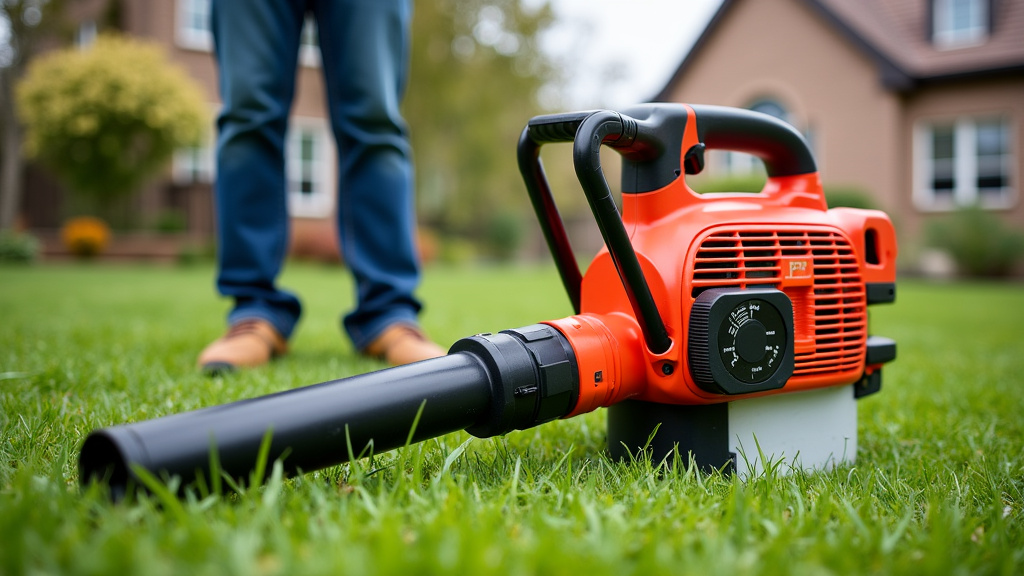
Checking for Blockages in the Blower Housing and Tube
Sometimes, the problem isn’t in the engine itself but in the path the air takes. Debris can get lodged in the blower housing or the tube, obstructing airflow.
Where Debris Hides
Leaves, twigs, plastic bags, or other yard waste can easily get sucked into the blower housing or become stuck in the blower tube. This blockage acts like a dam, preventing air from escaping effectively. Even a small obstruction can significantly reduce the blower’s force. You might hear a different, muffled sound if there’s a blockage.
How to Clear Blockages
Always ensure the leaf blower is off and cool before attempting to clear any blockages. For blockages in the tube, you can often see them by looking through the opening. You might be able to remove them by hand or with a stick or screwdriver. For blockages closer to the impeller (the fan), you may need to remove the blower housing cover. Consult your owner’s manual for instructions on how to safely access these areas. Clearing these obstructions is often a quick fix that restores full blowing power.
Troubleshooting Checklist: Get Your Blower Back to Full Strength
Here’s a quick rundown to help you diagnose the power loss:
- Check the air filter: Is it dirty, clogged, or damaged? Clean or replace it.
- Inspect the spark plug: Look for fouling or wear. Clean or replace if necessary.
- Verify your fuel: Is it fresh? Is it the correct mix for your engine type?
- Examine the fuel cap vent: Ensure it’s clear of debris.
- Look for blockages: Check the blower tube and housing for obstructions.
- Consider professional help: If these steps don’t resolve the issue, it might be time for a mechanic.
Conclusion
You’ve learned that a leaf blower losing power usually points to a few common, fixable issues. We’ve seen that a clogged air filter, stale fuel, a dirty spark plug, or simple blockages are the main culprits. Don’t let a sputtering blower stop your yard work! By performing this basic maintenance, you can restore its strong performance. Your next step is to grab your tools, consult your owner’s manual, and tackle one of these checks. You’ll likely be amazed at how much power you can regain with a little care.
Frequently Asked Questions
How often should I check my leaf blower’s air filter?
You should inspect your air filter regularly, especially if you use your blower frequently or in dusty conditions. A good rule of thumb is to check it at the start of each season and after particularly heavy use. We found that a quick visual check can prevent many power issues.
Can I use any type of gas in my leaf blower?
No, this is critical. Most handheld leaf blowers use a two-stroke engine that requires a specific mix of gasoline and oil. Always check your owner’s manual for the correct fuel-to-oil ratio. Using straight gas or the wrong mix can severely damage your engine.
What’s the best way to store gasoline for my leaf blower?
It’s best to use gasoline that is less than 30 days old. If you don’t use gas frequently, consider using a fuel stabilizer. Store gas in an approved container in a cool, dry place away from heat sources. We found that stabilizers really help keep fuel fresh.
My leaf blower still has low power after cleaning the air filter. What else could it be?
If the air filter is clean, the next common causes are stale fuel or a dirty spark plug. Also, check the fuel lines for any kinks or blockages, and ensure the spark plug is in good condition. Sometimes, debris can even get stuck in the blower tube itself.
Is it worth cleaning a spark plug or should I just replace it?
If a spark plug looks lightly sooty, cleaning it gently with a wire brush might work. However, if the electrode is worn down, cracked, or heavily fouled with oil or carbon, replacement is usually the better and more reliable option. We’ve seen that a new spark plug can really revive an engine.