
Why Is My Reel Mower Smoking?
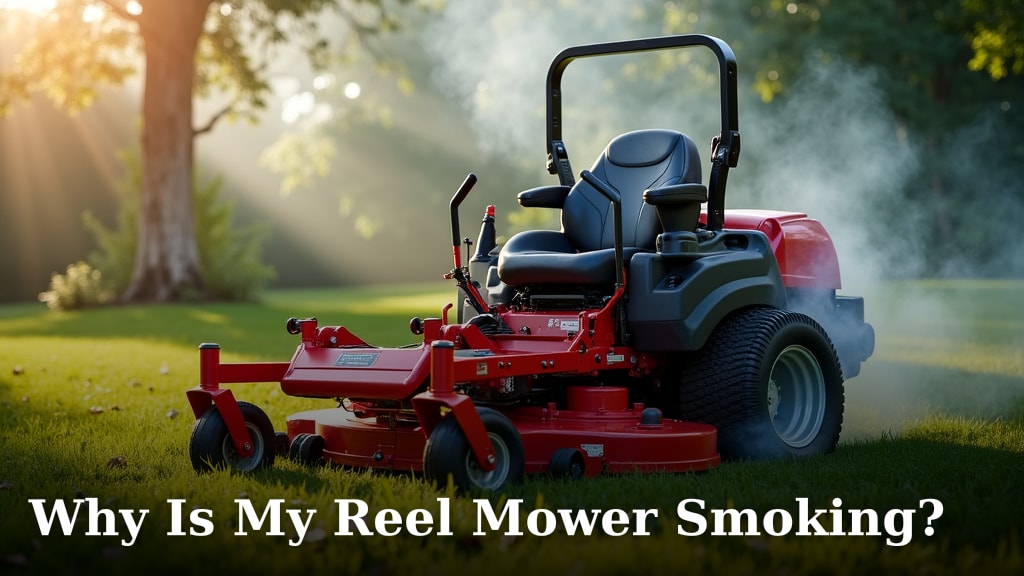
Seeing smoke billowing from your reel mower can be alarming. Your reel mower is smoking because of an issue like excess oil, a damaged blade, or an engine problem. These are common reasons, and usually, they can be fixed relatively easily.
While a puff of smoke might not always mean disaster, it’s a clear signal that something isn’t right. Understanding the potential causes helps you diagnose the problem quickly and get your mower back to cutting smoothly. We’ve researched common reasons why this happens and what you can do about it.
- Oil levels too high can cause smoke.
- A dull or bent blade might be the culprit.
- Engine troubles are a frequent cause.
- Check your mower’s manual for specifics.
Let’s walk through the most common reasons your reel mower might be smoking and what steps you can take to address them.
It’s never fun when your trusty reel mower decides to impersonate a smoke machine. You’re out there, ready to tame that lawn, and suddenly, a plume of smoke appears. What gives? Often, it’s not as dire as it seems. We’ve looked into the most common reasons for this smoky situation, and thankfully, many are fixable with a little know-how.
Troubleshooting Your Smoking Reel Mower
When smoke starts coming from your reel mower, the first thing to remember is not to panic. This is usually a sign of a specific issue, not a total breakdown. Your mower is telling you something needs attention. We found that addressing the problem early often prevents bigger headaches down the road. Let’s get to the bottom of this smoky mystery.
Excess Oil: The Most Common Culprit
One of the most frequent reasons for a reel mower to smoke is having too much oil in the engine. Think of it like a car engine; if you overfill it with oil, it can start to burn off, leading to smoke. This is especially true when you first start the mower after adding oil. One of the most frequent reasons for a reel mower to smoke is having too much oil in the engine; learn how often to change lawn mower oil.
Understanding the Oil Level Check
Your mower’s engine needs the right amount of oil to run smoothly. Too little can cause damage, but as you’re seeing, too much can also create problems, like that unwelcome smoke. The dipstick is your best friend here. It’s designed to show you the correct oil level. Make sure you’re checking it on a flat surface for an accurate reading.
Why Overfilling Causes Smoke
When the oil level is too high, the crankshaft inside the engine can churn the excess oil. This churning action can splash oil onto parts of the engine that get very hot, like the exhaust system. When oil hits these hot components, it burns off and produces smoke. Many manuals suggest a specific amount of oil, and sticking to it is key.
What to Do About Too Much Oil
If you suspect you’ve overfilled your mower with oil, the solution is usually straightforward. You’ll need to drain out the excess oil. Most mowers have a drain plug or a method to tilt the mower to drain oil. Consult your owner’s manual for the precise instructions for your model. Once the oil is at the correct level, start the mower. It might smoke for a little while as any remaining excess burns off, but it should clear up.
Blade Issues and Their Smoky Side Effects
Your mower’s blades are the stars of the show, cutting your grass. But if they’re not in tip-top shape, they can cause more than just a ragged cut – they can even contribute to smoke. It sounds strange, but damaged blades can put extra strain on the engine, leading to overheating and smoke. Your mower’s blades are the stars of the show, cutting your grass; learn how to change lawn mower blades.
Dull Blades: An Engine’s Nightmare
Imagine trying to slice through a tough steak with a butter knife. It’s a struggle, right? That’s what a dull blade does to your grass. Instead of a clean cut, it tears the grass blades. This requires more effort from your mower’s engine. The engine has to work harder and longer to get the job done. This increased workload can lead to overheating, which, you guessed it, can cause smoke.
Bent or Damaged Blades
A bent or nicked blade is like an unbalanced tire on your car. It creates vibrations and uneven stress on the mower’s engine and drive system. This imbalance means the engine isn’t running as efficiently as it should. The extra strain can cause components to heat up, potentially leading to oil or other fluids burning off and creating smoke.
What to Do About Blade Problems
The fix here involves inspecting and addressing the blades. First, always ensure the mower is turned off and the spark plug is disconnected for safety. Then, carefully examine your blades for dullness, nicks, or bends. If they’re dull, they can often be sharpened. If they are bent or significantly damaged, they need to be replaced. Keeping your blades sharp and true is vital for a good cut and a healthy mower engine.
Engine Problems That Cause Smoke
Sometimes, the smoke is a direct symptom of an issue within the engine itself. These can range from minor tune-up needs to more involved problems. We found that paying attention to how the smoke looks and smells can offer clues to the engine’s condition.
Overheating Engine: The Obvious Suspect
An engine that’s running too hot is a prime candidate for producing smoke. Overheating can happen for several reasons, including low oil levels (despite our earlier point about *too much* oil), a clogged air filter, or even running the mower for too long on a very hot day without breaks. When the engine gets excessively hot, oil and other components can start to break down or burn, leading to smoke.
Signs of an Overheating Engine
Beyond the smoke itself, an overheating engine might exhibit other symptoms. You might notice a loss of power, an unusual smell (like burning oil), or the engine might start to sputter or die. If you hear unusual knocking sounds, that’s another red flag. It’s important to stop the mower immediately if you suspect overheating to prevent serious damage.
Cooling Down and Prevention
If your mower overheats, let it cool down completely before attempting any checks or repairs. Ensure your engine’s cooling fins are clean and free of grass clippings or debris. These fins are designed to dissipate heat, and blockages prevent them from doing their job effectively. Regular cleaning after each use can prevent this. Also, make sure you’re using the correct type and amount of oil recommended by the manufacturer.
Internal Engine Damage or Wear
In some cases, smoke can indicate more serious internal engine issues. This might include worn piston rings, damaged valves, or problems with the cylinder head. These issues can allow oil to enter the combustion chamber, where it burns and produces smoke. This type of smoke is often blueish in color.
What Internal Damage Looks Like
If your mower consistently smokes, especially after it’s warmed up, and you’ve ruled out external causes like oil levels or blade issues, internal engine wear is a possibility. This often presents as a persistent blue smoke. This kind of problem usually requires professional attention. Trying to fix complex internal engine damage without the right expertise can lead to more costly repairs.
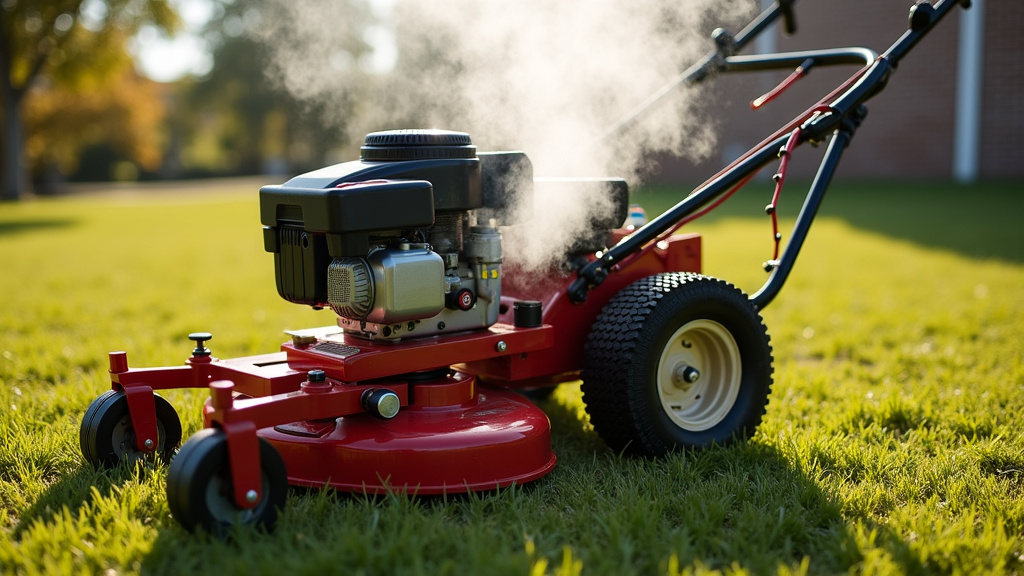
Checking Your Air Filter: A Simple Fix
Your mower’s air filter is like its lungs. It needs to be clean to let the engine breathe properly. A dirty or clogged air filter can restrict airflow, making the engine run inefficiently. This can lead to a richer fuel mixture and, you guessed it, smoke.
The Role of the Air Filter
The air filter prevents dirt, dust, and debris from entering your engine. When it gets clogged, the engine struggles to get enough air. This imbalance means there’s more fuel than air in the combustion mixture. An improperly balanced mixture can cause incomplete combustion and lead to smoke, often black smoke in this scenario.
How to Inspect and Clean/Replace
Checking your air filter is a quick task. Locate the air filter housing (usually a plastic or metal cover). Open it up and remove the filter. If it looks dirty, you can often tap it gently to remove loose debris. For paper filters, if they’re heavily soiled, it’s best to replace them. Foam filters can often be washed with soap and water, dried thoroughly, and then re-oiled slightly as per your manual’s instructions. A clean air filter ensures your engine gets the air it needs to run efficiently.
Fuel and Oil Mixture Issues
For mowers that require a specific fuel and oil mixture (two-stroke engines), getting the ratio wrong is a common cause of smoke. Using the wrong type of oil or an incorrect ratio can lead to excessive smoke.
The Importance of the Right Ratio
Two-stroke engines need oil mixed directly with the gasoline to lubricate the engine’s internal parts. If you add too much oil to the gas, the excess oil will burn during combustion, creating thick, blue smoke. Conversely, not enough oil can lead to engine damage, though it usually doesn’t cause excessive smoke in the same way.
Using the Correct Fuel and Oil
Always use the type of gasoline and oil recommended in your mower’s owner’s manual. Many manufacturers specify a particular blend or ratio, often 50:1 or 40:1. Using regular two-stroke oil when the engine calls for synthetic, or vice versa, can also cause issues. Double-check your manual and ensure you’re measuring accurately. Pre-mixed fuel is also an option if you want to avoid mixing it yourself.
A Quick Checklist for Smoky Mowers
When your reel mower decides to put on a smoke show, run through this quick checklist. It covers the most common issues and can help you pinpoint the problem efficiently.
- Check Oil Level: Is it too high? Drain the excess.
- Inspect Blades: Are they sharp, straight, and securely attached? Sharpen or replace as needed.
- Examine Air Filter: Is it clean and allowing good airflow? Clean or replace it.
- Verify Fuel Mixture: If applicable, is the oil-to-gas ratio correct?
- Look for Leaks: Are there any signs of oil leaking onto hot engine parts?
- Consider Engine Temperature: Has the mower been running for an extended period without a break?
Addressing these points systematically can help you get your reel mower back to its usual, smoke-free self. Remember to always prioritize safety by disconnecting the spark plug before performing any maintenance.
Conclusion
Seeing smoke from your reel mower can be concerning, but as we’ve discussed, it’s often a solvable issue. By systematically checking your oil levels, inspecting your blades for sharpness and integrity, and ensuring your air filter is clean, you can resolve many common smoke causes. We’ve found that paying attention to these simple maintenance steps can save you a lot of trouble.
Don’t let a smoky mower sideline your yard work. Grab your owner’s manual, put on your safety glasses, and tackle these potential problems. You’ve got this!
Frequently Asked Questions
What color is the smoke, and what does it mean?
We found that the color of the smoke can be a helpful clue. White or light blue smoke often indicates oil burning in the combustion chamber, which could be due to overfilling or internal engine issues. Black smoke typically suggests an incomplete fuel burn, often related to a clogged air filter or a rich fuel mixture.
Can I still use my reel mower if it’s smoking a little?
It’s generally best to stop using your mower if you see smoke. Continuing to run it could worsen the problem or cause more significant damage to the engine. We recommend addressing the issue before your next mowing session to prevent further complications.
How often should I check my reel mower’s oil level?
We suggest checking your mower’s oil level before each use, especially if you’ve recently added oil or the mower has been sitting for a while. This simple check can prevent the common issue of overfilling, which we found is a frequent cause of smoke.
My mower only smokes when it’s first started. What could that be?
This often happens if you’ve slightly overfilled the oil or if a small amount of oil has seeped into the combustion chamber overnight. As we’ve seen, the initial startup can burn off this excess, and the smoke should clear relatively quickly. If it persists, re-check your oil level.
Is it safe to clean the air filter myself?
Yes, cleaning or replacing your air filter is a safe and straightforward maintenance task that you can definitely do yourself. Always disconnect the spark plug first for safety. We found that a clean air filter is essential for proper engine function and preventing smoke.
