
Why Won’t My Zero-turn Mower Start?
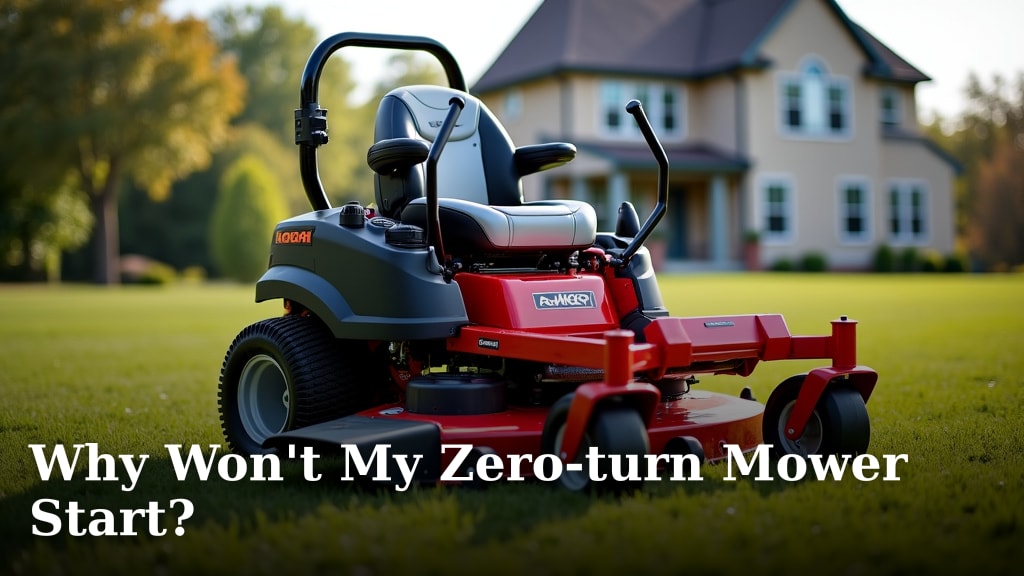
Your zero-turn mower won’t start because of a few common culprits. Often, it’s a simple issue like a dead battery, a clogged fuel filter, or a safety switch preventing it from firing up. We found these to be the most frequent reasons owners can’t get their mowers running.
It’s frustrating when your trusty mower refuses to turn over, especially when lawn care is on your to-do list. Many factors can contribute to this, ranging from simple maintenance oversights to more involved mechanical problems. We’ll help you pinpoint the exact cause so you can get back to a perfectly manicured lawn.
- Check your battery charge first.
- Inspect fuel lines for clogs or kinks.
- Ensure all safety interlocks are engaged.
- Look for loose or corroded wiring.
- Consider spark plug condition.
Let’s walk through exactly why your zero-turn mower might be refusing to start and what you can do about it.
Troubleshooting Your Zero-Turn Mower’s Startup Issues
It’s a tough situation when your zero-turn mower decides not to start. You have grass to cut, and your machine is giving you the silent treatment. Don’t worry, this is a common problem. We’ve compiled a list of the most frequent reasons your mower might be refusing to turn over. Let’s work through them together.
The Battery: Often the First Suspect
The battery is the heart of your mower’s starting system. If it’s weak or dead, your engine won’t even try to crank. This is one of the easiest things to check yourself. You might be surprised how often a simple battery issue is the culprit.
Checking the Battery Charge
Do you hear a clicking sound, or absolutely nothing when you turn the key? That’s often a sign of a weak or dead battery. A fully charged battery is essential for the starter motor to engage properly. You can test its voltage with a multimeter. A healthy battery should read around 12.6 volts when the mower is off. Less than 12 volts means it’s likely discharged.
Battery Connections: The Often-Overlooked Detail
Even a good battery can’t do its job if the connection is poor. Look at the battery terminals. Are they clean and tight? Corrosion, which looks like a white or bluish powdery substance, can build up. This build-up insulates the terminals, preventing electricity from flowing. You can clean them with a wire brush and a mixture of baking soda and water. Make sure the cables are securely fastened after cleaning.
Fuel System Problems: The Lifeblood of Your Engine
Your mower needs a steady supply of fresh fuel to start. If the fuel system is compromised, the engine won’t get what it needs to combust. This is another area where a little investigation can save you a lot of headaches.
Is the Fuel Tank Empty?
It sounds obvious, but sometimes the simplest oversight is the most likely cause. Double-check your fuel gauge. Make sure you haven’t run out of gas. It’s easy to misjudge how much fuel you have left, especially if you’ve been putting off refueling.
The Fuel Filter: A Tiny Part with a Big Job
The fuel filter is designed to catch debris before it reaches the engine. Over time, these filters can become clogged with dirt and old fuel. A clogged filter restricts fuel flow. Many zero-turn mower manuals recommend replacing the fuel filter annually or every 100 hours of use. If it hasn’t been changed in a while, this is a prime suspect. Replacing it is usually a straightforward process.
Stale Fuel: The Silent Killer
Gasoline degrades over time, especially if it contains ethanol. Stale fuel loses its combustible properties and can gum up your fuel lines and carburetor. If your mower sat for a long time, the fuel in the tank might be the problem. You may need to drain the old fuel and replace it with fresh gasoline. Many experts suggest using a fuel stabilizer if you plan to store your mower for an extended period. This helps prevent fuel degradation.
Fuel Lines: Blocked or Kinked?
Inspect the fuel lines that run from the tank to the engine. Are they cracked, brittle, or kinked? A kink can restrict fuel flow, while cracks can lead to fuel leaks. Make sure there are no obstructions in the lines. Sometimes, a small piece of debris can cause a significant blockage.
Safety Interlock Switches: Your Mower’s Guardian Angels
Zero-turn mowers have several safety features designed to prevent accidental operation. These systems use interlock switches. If a switch doesn’t sense the correct position (like the parking brake engaged or the deck disengaged), it will prevent the engine from starting. This is a very common reason for no-start issues.
The Parking Brake and Seat Switch
Most zero-turn mowers require the parking brake to be fully engaged before starting. They also have a seat switch that ensures the operator is seated. If these switches are faulty, dirty, or misaligned, they can trick the mower into thinking it’s not safe to start. Make sure the brake is firmly set and that you are sitting squarely on the seat.
Understanding the Deck Engagement Lever
The blade engagement lever, or PTO (Power Take-Off) switch, must typically be in the disengaged position for the engine to start. If this switch is stuck in the ‘on’ position, the engine won’t crank. Check its position and ensure it moves freely.
Ignition System Issues: Sparking the Engine to Life
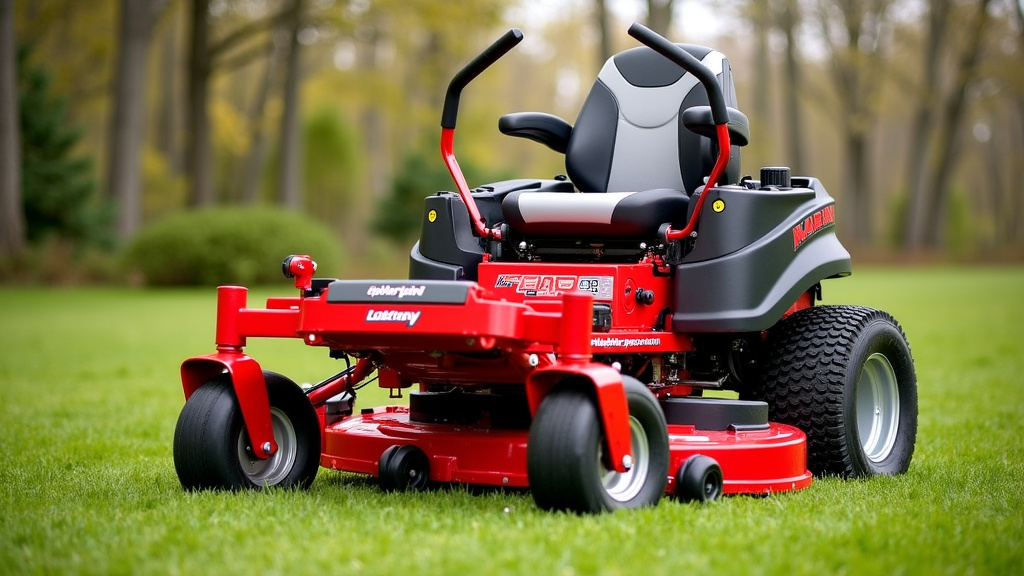
For your engine to run, it needs a spark to ignite the fuel. If the spark plug or related ignition components aren’t working correctly, you won’t get that crucial spark. For your engine to run, it needs a spark to ignite the fuel. Our guide explains why your mower won’t start.
The Spark Plug: A Simple Yet Vital Component
The spark plug is responsible for creating the spark. It can become fouled with carbon, oil, or fuel, or the electrode gap might be incorrect. A dirty or worn-out spark plug will produce a weak spark or no spark at all. Remove the spark plug and inspect it. If it looks black, oily, or has a damaged electrode, it needs to be cleaned or replaced. Many mower manufacturers recommend replacing spark plugs annually.
Checking for a Spark
You can test if you’re getting a spark. Remove the spark plug wire from the plug. Insert a spare spark plug into the end of the wire. Hold the body of the spark plug against a metal part of the engine block. Have someone crank the engine briefly. You should see a strong, blue spark jump across the electrode. If the spark is weak, yellow, or absent, there’s an ignition system problem.
Ignition Coil and Wires
If the spark plug is good and you’re not getting a spark, the issue might be with the ignition coil or the wiring leading to it. The ignition coil transforms the battery’s voltage into the high voltage needed for the spark. Damaged wires or a faulty coil will prevent the spark from reaching the plug. These components are more complex to diagnose and may require professional help.
Other Potential Problems to Consider
Beyond the common culprits, a few other things could be preventing your mower from starting. These are less frequent but still worth a quick look.
Carburetor Concerns
The carburetor mixes fuel and air for combustion. If it’s clogged with debris or old fuel residue, it can starve the engine of the correct fuel-air mixture. Symptoms of a dirty carburetor can include the engine sputtering or failing to start. Cleaning or rebuilding a carburetor can be a bit more involved, so some owners prefer to have a professional handle this.
Loose or Damaged Wiring
Throughout your mower, there are numerous wires connecting various components. Vibrations from operation can cause these wires to loosen or become damaged over time. Inspect the wiring harness for any loose connections, frayed wires, or signs of corrosion. Pay close attention to connections near the battery, ignition switch, and safety interlocks.
Air Filter Issues
While an air filter is more likely to cause performance problems once the engine is running, a severely clogged air filter can sometimes make it difficult for the engine to start. If your air filter is extremely dirty, it restricts the amount of air entering the engine. This can prevent the fuel-air mixture from being correct for ignition. A quick visual inspection can tell you if it’s time for a cleaning or replacement.
Engine Overheating
If the engine recently shut off and now won’t restart, it might be overheated. Let the mower cool down completely for at least 30-60 minutes before attempting to start it again. Check the oil level as low oil can contribute to overheating. Ensure cooling fins on the engine block are clear of debris.
Here’s a quick checklist to get you started:
- Check your fuel level and ensure it’s fresh.
- Verify the battery is charged and connections are clean.
- Confirm all safety interlock switches are correctly engaged.
- Inspect the spark plug for fouling or damage.
- Look for any obvious kinks or blockages in fuel lines.
- Ensure the air filter is not excessively dirty.
Conclusion
It’s understandable to feel stuck when your zero-turn mower refuses to start. You’ve learned that most startup issues stem from common culprits like a drained battery, fuel delivery problems, or safety switch malfunctions. These are often simple fixes you can handle yourself with a little patience. Don’t let a stubborn mower keep you from enjoying your lawn. Your next step is to systematically work through the checks we’ve discussed, starting with the battery and fuel.
Frequently Asked Questions
How often should I replace the fuel filter on my zero-turn mower?
Most mower manufacturers recommend replacing the fuel filter annually. You should also consider replacing it if your mower has sat for a long time or if you suspect fuel delivery issues. This is a small maintenance task that can prevent major headaches.
My zero-turn mower clicks but won’t crank. What’s wrong?
A clicking sound usually indicates that your battery has some power, but not enough to turn the starter motor. It could also point to loose battery connections or a faulty starter solenoid. Check your battery’s charge and ensure the terminals are clean and tight.
Can old gasoline cause my zero-turn mower to not start?
Yes, absolutely. Gasoline degrades over time, especially if it contains ethanol, and can lose its ability to combust. If your mower has been sitting with old fuel for months, you’ll likely need to drain it and refill with fresh gasoline.
What are the most common safety switches that prevent starting?
The most common safety switches include the one on the operator’s seat, ensuring you’re seated, and the parking brake switch, which requires the brake to be fully engaged. The deck engagement switch must also be in the disengaged position.
My mower starts, but then dies right away. What could cause this?
This often suggests a fuel delivery problem. The engine might be getting just enough fuel to start, but not enough to keep running. Check your fuel filter, fuel lines for blockages or kinks, and ensure you have fresh fuel in the tank. A partially clogged carburetor could also be the cause.
