
Will A Lawn Mower Pick Up Dog Poop?
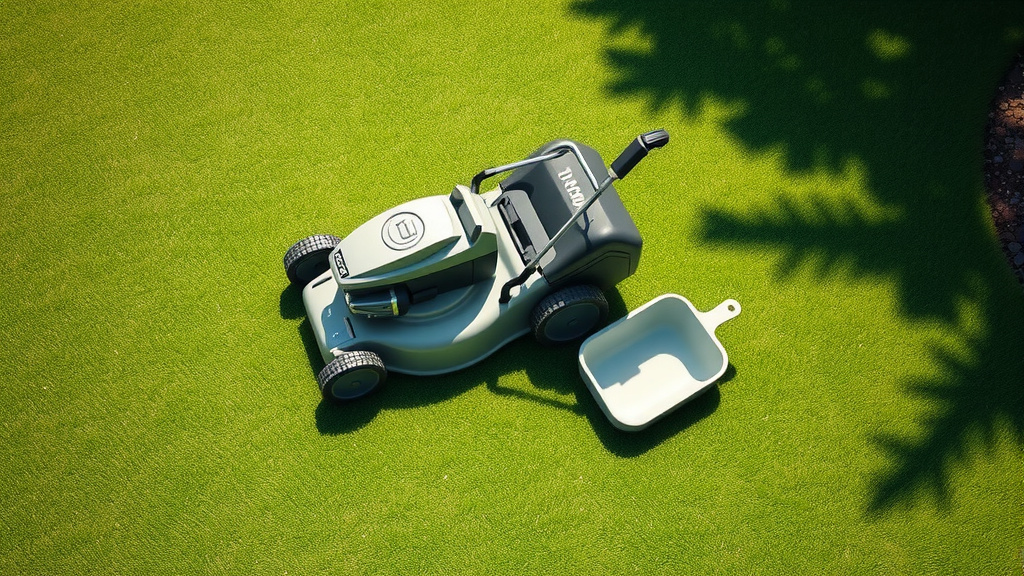
No, a lawn mower will not effectively pick up dog poop; instead, it will likely spread it across your lawn. Mowing over dog poop creates a messy, unsanitary situation for both your yard and your equipment.
This action can damage your mower, spread harmful bacteria, and leave unsightly stains and odors.
- It is not recommended to mow over dog poop as it spreads bacteria and causes mess.
- Mowing dog waste can damage your lawn mower blades and leave unpleasant odors.
- Always clean up dog waste before mowing your lawn to maintain hygiene.
- Proper waste disposal helps keep your lawn healthy and your equipment clean.
Will A Lawn Mower Pick Up Dog Poop?
You might wonder if your trusty lawn mower can handle more than just grass. The direct answer is no, it really cannot. Trying to mow over dog poop just turns a small problem into a much bigger, smellier one.
Why Mowing Over Poop Is a Bad Idea
Thinking about letting the mower deal with pet waste seems like a quick fix. However, it leads to a host of issues. You’ll face more problems than just saving a few minutes of cleanup.
The Gross Factor: A Smell No One Wants
Imagine your yard smelling like a dog park after a summer rain. Mowing over poop pulverizes it into tiny particles. These particles then get flung everywhere, creating an incredibly unpleasant odor. We found this smell can linger for quite a while, especially in warm weather.
Spreading Germs and Disease
Dog waste contains numerous bacteria and parasites. We’ve learned that diseases like E. coli, salmonella, and giardia can be present. Spreading these germs across your lawn can pose a health risk to your family and other pets (CDC).
Many experts say removing waste promptly prevents bacterial spread (EPA).
Damage to Your Mower Blades
Pet waste, especially when firm, can gum up your mower. It can dull your blades or even clog the deck. This means more frequent cleaning and potentially costly repairs for your equipment.
Unsightl y Lawn Stains
Beyond the smell, you will see the evidence. Dog poop smears can leave ugly brown or green stains on your beautiful lawn. These stains are tough to remove and make your yard look neglected.
What Happens When You Mow Over Dog Poop?
When your mower blades meet dog poop, it is not a clean sweep. The blades typically shred the waste. This turns solid waste into a gooey, projectile mess.
Here is what you can expect:
- The mower blades will chop and spread the waste into small pieces.
- These pieces will then be distributed widely across your lawn and under the mower deck.
- Your mower’s underside, blades, and even the discharge chute will become coated with sticky residue.
- A strong, unpleasant odor will fill the air and cling to your equipment.
- The lawn itself might show visible smears and stains in the mown areas.
Preparing Your Lawn: The Essential Pre-Mow Cleanup
The simplest and most effective solution is to pick up all dog waste before you mow. This short task saves you from many headaches later on. It keeps your lawn healthy and your equipment clean.
Tools for a Cleaner Pickup
You do not need fancy gadgets for this job. A simple pooper scooper or plastic bags work perfectly. Many pet owners keep a dedicated bucket near the door for quick disposal.
Making Cleanup a Habit
Consistency is key when it comes to pet waste. Try to pick up after your dog daily, or at least every other day. This routine ensures your yard stays tidy and reduces the pre-mow chore significantly.
Best Practices for Dog Waste Management
Managing pet waste effectively benefits everyone. It keeps your yard clean, protects your family’s health, and maintains neighborhood hygiene. There are several ways to approach this task.
Designated Potty Areas
Some pet owners train their dogs to use a specific spot in the yard. This makes cleanup much easier and confines waste to one small area. You can even add a layer of wood chips there for easier scooping.
Training Your Pet
Early training can make a big difference. Teaching your dog to “go” in a certain spot saves you time. It also helps keep the rest of your lawn pristine for play or entertaining.
Composting (with caveats)
Composting dog waste is an option for some. However, it requires specific methods and precautions. Pet waste compost should not be used on edible plants (USDA). It is best for ornamental gardens only, and requires high temperatures to kill pathogens.
Common Mistakes to Avoid
When it comes to pet waste, some actions are better avoided. Steering clear of these common errors will help you maintain a healthier and cleaner lawn. You will thank yourself later!
- Ignoring it: Never leave dog waste on your lawn for extended periods.
- Hosing it down: Simply spraying it with water spreads bacteria, it does not remove it.
- Composting improperly: Do not use dog waste compost on vegetable gardens.
- Disposing in storm drains: This pollutes local waterways, which is harmful to the environment.
- Using too much lime: While some use lime, it can damage grass and does not fully neutralize pathogens.
When Poop Gets Missed: What To Do
Sometimes, despite your best efforts, a rogue pile of poop gets missed. Do not panic! There are ways to handle this. You can mitigate the mess and clean up effectively.
Spot Cleaning Your Lawn
If you find a missed spot after mowing, try to remove as much as possible. You can use a shovel or a gloved hand. Then, you might rinse the area lightly with water. Some homeowners use a mild, pet-safe enzymatic cleaner on the spot. This helps break down residual organic matter and odors.
Cleaning Your Mower
It is crucial to clean your mower immediately if it has contacted dog waste. This prevents rust, germ buildup, and lasting odors. Always disconnect the spark plug before cleaning for safety.
| Step | Description | Why It Matters |
|---|---|---|
| 1. Disconnect Spark Plug | Essential safety measure to prevent accidental starting. | Prevents injury during cleaning. |
| 2. Scrape Underside | Use a putty knife or stick to remove clumps from the deck. | Removes bulk waste and prevents caking. |
| 3. Wash Blades & Deck | Use a hose and stiff brush with soapy water. | Eliminates bacteria and odors. |
| 4. Rinse Thoroughly | Ensure all soap and debris are washed away. | Prevents rust and residue buildup. |
| 5. Dry Completely | Allow air drying or wipe down with a cloth. | Protects metal parts from corrosion. |
Conclusion
In short, your lawn mower is designed for grass, not for dog poop. Mowing over pet waste creates a truly unpleasant and unsanitary situation. It can damage your equipment, spread germs, and leave your lawn looking and smelling awful.
Making a habit of pre-mow cleanup is the simplest solution. It keeps your yard clean, your family healthy, and your mower in good shape. A little effort before you mow saves a lot of hassle later on. Your lawn will look better, and you will enjoy spending time outdoors even more.
Can dog poop ruin my lawn?
Yes, dog poop can ruin your lawn if left unchecked. It is high in nitrogen, which can burn grass, causing brown spots. It also creates ideal conditions for weeds and attracts pests.
How long does dog poop take to decompose naturally?
Dog poop can take a long time to decompose naturally, sometimes weeks or even months. The exact time depends on weather conditions and the dog’s diet. During this time, it remains a source of bacteria and odors.
Is it okay to use a mulching mower with small amounts of dog poop?
Even with a mulching mower and small amounts, it is not okay. Mulching will still shred and distribute the waste across your lawn. This spreads bacteria and still risks odor and mower contamination.
What should I do if my child or pet touches dog poop on the lawn?
If your child or pet touches dog poop, clean the affected area immediately with soap and water. Monitor for any signs of illness and contact a doctor or vet if concerns arise. Prompt washing is key to reducing risks.
Are there any specific cleaning solutions for cleaning a mower after it hits poop?
Yes, a mixture of dish soap and water works well for cleaning your mower. For stubborn residues, you can use a degreaser. Always ensure the mower is off and unplugged before cleaning, then rinse thoroughly and dry to prevent rust.
