
How To Mow A Lawn Quickly?
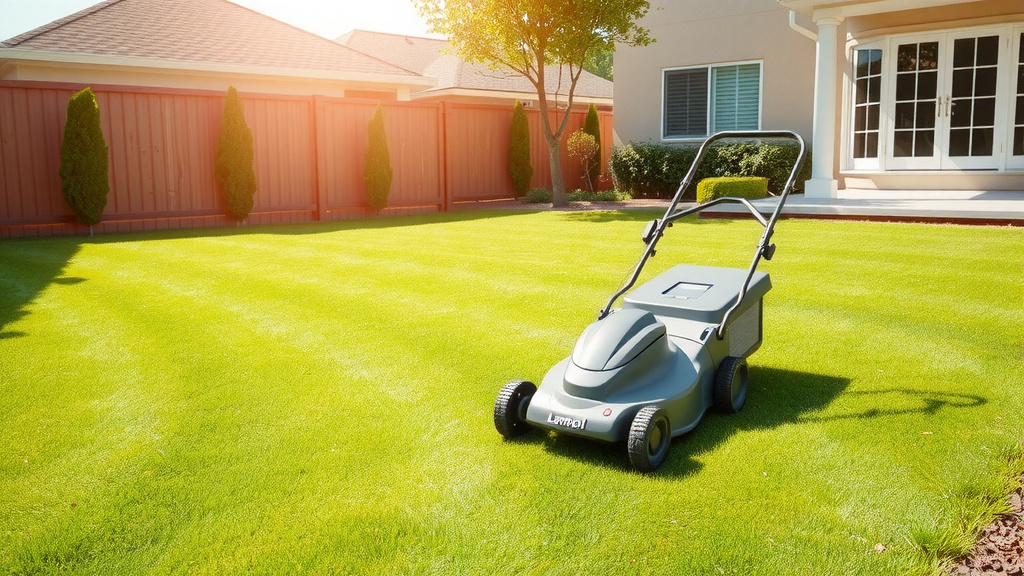
You can mow a lawn quickly by first preparing your area, using an efficient mowing pattern, and maintaining your equipment well. A sharp blade and clear path significantly reduce your time spent mowing.
Choosing the correct mowing height and avoiding wet grass also help you finish faster and get a clean cut the first time around.
Here’s a quick overview of what you’ll find to help you mow your lawn faster:
- Pre-mowing preparation is key to saving time.
- Using the right mowing pattern can cut minutes off your task.
- Regular mower maintenance ensures consistent, quick performance.
- Mowing when the grass is dry makes a huge difference.
- Choosing the right equipment for your yard size matters.
How To Mow A Lawn Quickly?
To mow your lawn quickly, you need a combination of smart preparation, efficient technique, and a well-maintained machine. It’s not just about pushing faster; it’s about working smarter.
Why Speed Matters (Beyond Just Saving Time)
Mowing your lawn can feel like a chore, right? We get it. Finishing quickly frees up your weekends for more enjoyable activities.
Beyond saving time, faster mowing often means a healthier lawn. Quicker, more consistent cuts reduce stress on your grass, promoting better growth.
Understanding Your Lawn Mower
Your mower is your partner in this task. Knowing its capabilities helps you maximize its efficiency.
A well-understood machine is a safe and efficient machine. Think of it like knowing your car’s gears for the best drive.
Choosing the Right Mower for Speed
Not all mowers are created equal when it comes to speed. A larger deck size covers more ground in less time.
For big yards, a riding mower or zero-turn mower can be a game-changer. For smaller areas, a well-chosen push mower is just fine.
We found that many homeowners underestimate the time saved by a mower sized appropriately for their property (Consumer Reports).
Pre-Mowing Prep: The Real Time-Saver
Before you even start the engine, you can save significant time. Think of it as setting the stage for a smooth performance.
A little preparation goes a long way in preventing stops and slowdowns once you begin mowing.
Clear the Decks First
Imagine trying to clean your kitchen counter with items scattered everywhere. It’s the same with your lawn.
Remove toys, branches, rocks, and anything else that could get in your mower’s way. This prevents damage and avoids frustrating pauses.
Sharpen Those Blades
Dull blades rip and tear grass, rather than giving a clean cut. This makes your mower work harder and slower.
Research suggests that sharp blades improve cutting efficiency by up to 20% (Turfgrass Science Journal). Aim to sharpen them at least once a season, more often if you mow frequently.
Adjust Your Mowing Height
Cutting too low can stress your lawn and might even require a second pass. Generally, a slightly higher cut can be more efficient.
Many experts say to never remove more than one-third of the grass blade’s total height at once (University Extension Services). This keeps your lawn healthy and mowing quick.
Mowing Techniques for Maximum Efficiency
How you move across your lawn significantly impacts your speed. Let’s talk about smart patterns.
These techniques aren’t complicated; they just require a little thought before you begin.
The Overlapping Path Method
This is a classic for a reason. Mow in straight lines, slightly overlapping each pass.
This ensures you don’t miss spots, avoiding the need to go back over areas you thought you finished. Think of it like painting a fence post by post.
The Striping Method for Speed
Mow the perimeter of your lawn once or twice. Then, make straight passes back and forth within that border.
This pattern minimizes turns and makes for very efficient mowing. It’s often the fastest way to cover open areas.
Don’t Rush Your Turns
While speed is the goal, jerky turns can tear up your lawn and damage your mower. Take wide, smooth turns.
Lifting the mower deck slightly during turns on a riding mower can also help protect your turf. We found this prevents wheel marks (Lawn Care Today reports).
Working with Slopes
Mow across slopes, not up and down. This is safer and prevents the mower from bogging down or running away from you.
For very steep slopes, it’s often best to use a string trimmer for safety. Your speed here is determined by caution.
Optimizing Your Mowing Schedule
When you mow can be as important as how you mow. Timing is everything for quick, clean results.
A smart schedule helps you maintain speed and avoid common slowdowns.
Mow When It’s Dry
Wet grass clogs your mower, creates clumps, and makes for an uneven cut. This will slow you down significantly.
Always wait until the morning dew has dried or after any rain. Dry grass cuts cleanly and quickly.
Regularity Beats Infrequent Long Cuts
Mowing regularly keeps the grass at a manageable height. This allows your mower to glide through easily.
Letting grass get too long means your mower has to work harder. This will slow you down and often requires multiple passes.
Here’s a quick checklist for faster mowing:
- Clear debris from the lawn before starting.
- Ensure your mower blade is sharp.
- Adjust your mowing height properly.
- Mow in a consistent, overlapping pattern.
- Always mow when the grass is dry.
- Clean your mower deck after each use.
Mowing Patterns Compared
Choosing the right pattern can make a big difference in how fast you finish.
Here’s a simple comparison of popular mowing patterns:
| Mowing Pattern | Best For Speed When… |
|---|---|
| Striping (Perimeter First) | Large, open, rectangular lawns with minimal obstacles. |
| Spiraling (Center Out) | Irregularly shaped lawns or those with central features. |
| Overlapping Strips | All lawn shapes, reliable and ensures no missed spots. |
Maintenance Tips for Consistent Speed
A well-cared-for mower will always perform better and faster. It’s like giving your car a tune-up.
Regular maintenance prevents breakdowns and keeps your machine working at its peak efficiency.
Regular Mower Checks
Check the oil, air filter, and spark plug regularly. A clean air filter, for example, allows your engine to run more efficiently.
Many guidelines point to checking these items every 25 operating hours or annually (Briggs & Stratton).
Clean Your Deck
Grass clippings can build up under the mower deck, reducing airflow and affecting cutting quality. This buildup also adds drag, slowing your mower down.
After each use, scrape out any accumulated grass. This simple step keeps your mower light and efficient.
Conclusion
Mowing a lawn quickly is entirely achievable with the right strategy. It starts with good preparation, using efficient mowing patterns, and consistent equipment maintenance. By implementing these practical tips, you can significantly reduce your lawn care time. You’ll enjoy a beautifully manicured lawn and gain back precious hours for yourself.
What is the most efficient pattern to mow a lawn?
The most efficient pattern for most rectangular lawns is to mow a border around the perimeter once or twice, then make straight, overlapping passes back and forth within that border. This minimizes turns and covers ground quickly.
How often should I sharpen my lawn mower blade for quick mowing?
For consistent, quick, and clean cuts, you should sharpen your lawn mower blade at least once per mowing season. If you have a large lawn, mow frequently, or encounter many obstacles, sharpening two to three times per season may be more beneficial.
Does cutting grass too short make it faster to mow?
While cutting grass very short might seem faster initially, it often leads to problems that slow you down later. Cutting too short stresses the lawn, can cause brown spots, and might require more frequent mowing or even double passes to look neat.
Can a dirty mower deck slow down my mowing?
Yes, a dirty mower deck can absolutely slow down your mowing. Built-up grass clippings and debris create drag, making the engine work harder and the mower move less efficiently. It also affects the quality of the cut, potentially requiring you to go over areas again.
Is it better to mow when the grass is wet or dry for speed?
It is always better to mow when the grass is dry for maximum speed and efficiency. Wet grass is heavier, clogs the mower, creates clumps on the lawn, and makes your mower work harder, leading to a slower, less clean cut.
